Savage Lighting

Savage Lighting Article Feature

Illuminating Innovation: Julie Clark’s Vision for Savage Lighting

In an industry where adaptability and creativity are paramount, Julie Clark, Managing Director of Savage Lighting, has carved a niche for herself as a trailblazer in marine lighting solutions. With over two decades of experience, Julie’s journey reflects her commitment to quality, sustainability, and innovation. Under her leadership, Savage Lighting has not only navigated the challenges of a rapidly evolving market but has also embraced opportunities for growth and collaboration. In this interview, Julie shares her insights on the company’s journey, the importance of customer relationships, and her vision for the future of marine lighting.


Click below to access the digital brochure version

Career Journey: Can you share your career journey and what led you to your current role as Managing Director at Savage Lighting? 


After leaving school with minimal qualifications, I had my first daughter at a young age. I decided to go back to school while being a young mum to study accounting. Shortly after two years, I realised that being an accountant was not for me, so I pursued further education in business and sales. I worked for various banks, large utility corporations, and IT companies before settling into self-employment, where I helped small businesses by implementing procedures and sales pipelines—from initial inquiries to following up on sales, accounts, payroll, and basically all administrative duties.


That’s when I received a call from a contact for whom I had done some previous work, asking if I could help a small, relatively new company that had only a team of three people for around six months. That was 23 years ago! I was informed that the office lady was due to go on maternity leave in about four weeks, so she would help show me the ropes. However, as babies do, hers decided to arrive the next day, so it was sink or swim time. Luckily, I have always been a good swimmer!


I had to navigate around the products while implementing procedures and dealing with customer inquiries. I am sure I drove the production manager insane with my constant questions. However, I soon started to learn the products, build relationships, and double the turnover within the first year. After six years, I was presented with the opportunity to acquire shares. In 2007, I became a shareholder and managing director. After various business partners—some retired and some simply did not work out—I became the sole owner in 2021 and have never looked back!


Company Overview: Savage Lighting has a strong reputation in the marine lighting industry. Can you provide an overview of the company’s history and its core areas of expertise? 


Savage Marine is known for its high-quality products. We offer a full turnkey bespoke service, as we engineer everything in-house. This capability enables us to create products as specified or desired by our clients. We work closely with interior designers, architects, owner teams, installers, and the shipyards.


Product Innovation: Savage Lighting is known for its high-quality, customisable lighting solutions. What drives your innovation, and how do you stay ahead of trends in the marine lighting industry? 


With dedicated in-house designers, R&D, and product engineers, we create and introduce new products and services. We constantly look at trends and the latest technologies that are new to the market or represent a substantial and novel iteration of an existing product. We listen to what our clients require and produce in-house from the initial concept through to the finished products.


We are continuously seeking improvements in components and materials, technical specifications, and other functional characteristics such as ease of installation and maintenance. Technology has advanced significantly over the last two decades. We now produce lighting that cleanses the area and kills bacteria, as well as lighting that works with the human circadian rhythm, helping our brains be more alert and productive.


Lighting has always been an essential tool to help us see when it’s dark, but it is now also available to enhance our mental well-being and clean our spaces.


Sustainability Initiatives: Sustainability is a growing concern across industries. How is Savage Lighting incorporating sustainable practices in its products and operations?


Savage Marine prides itself on minimising waste. We use fully recyclable metals to produce our products and offer a refurbishment service—why replace when you can refurbish? For example, if a client wishes to upgrade from an old halogen system to LED and some parts of their existing fittings are still usable, we can offer a full restoration and upgrade service, thereby minimising waste. We can also manufacture to suit existing cutouts, which eliminates the need for replacement overheads.


Additionally, we look at using recycled ocean waste materials in our manufacturing processes wherever possible. We are also set to have a new facility in 2026, and sustainability will be key to the design and build of the new headquarters.


Customer Relationships: How does Savage Lighting ensure that it meets the specific needs of its diverse clientele, especially in such a niche market? 


The superyacht world is a global industry, but it is also a very small community. I have always prided myself on offering the utmost level of service to our clients. I listen to what the clients want and deliver a first-class service along with a first-class product. Yes, we are all human, and errors can sometimes happen, but we will always rectify any issues. This commitment has earned us an excellent reputation within the industry and repeat business from our clients for over 20 years.


Technological Integration: How does Savage Lighting leverage the latest technologies in the design and manufacturing of its products? 


Lighting has changed significantly over the last two decades. When I first started, it was a simple halogen bulb that could either be turned on or off or dimmed using mostly a standard pot coil dimmer. The introduction of LEDs dramatically changed this landscape. LEDs outperform traditional forms of lighting, such as incandescent and fluorescent bulbs. They produce a much brighter light, contain no mercury (making 95% of the bulb recyclable), and have a lifespan of around 50,000 hours.


Now, we can change colours with the push of a button or a voice command, integrate lighting into our music, control it via Wi-Fi apps, and set scenes— the possibilities are endless. When it comes to product development, Savage Lighting ensures that their products have full technical functionality, allowing seamless integration with all high-end control systems.


Strategic Partnerships: Can you discuss some of the strategic partnerships Savage Lighting has developed and how these collaborations have influenced the company’s growth? 


With ever-changing technologies, it made perfect sense to collaborate with some of the industry’s leaders. As a manufacturer, we were approached by Crestron to develop a new range of fittings using the Crestron DMX C. We now have a full range of fully addressable fittings. These fixtures, utilising Crestron DMX, come with a built-in program for the circadian rhythm, allowing for ease of colour change. Using these on artwork or fine pieces can truly bring the colours to life.


They are easy to install, with no need for individual circuits, as all are addressable. This also gives clients complete control, enabling us to change the cluster of fittings at any time without the need to rewire—simply by changing the app.


In addition, we have collaborated with VYV Technology to create a range of fittings using their UV-Free Antimicrobial LED Technology, which kills viruses, bacteria, fungi, and mould on surfaces. Not only does this help control and eliminate viruses, including COVID-19, but it also reduces the need for harsh chemicals, making it more sustainable for the environment.


Collaborating with both of these companies has opened up a world of opportunities for Savage Lighting, including in the hospitality, residential, healthcare, and food preparation industries. Additionally, we work with key control experts like Crest System and MP Technical Solutions, which enables us to provide a fully experienced team for a complete lighting solution.

Challenges in the Industry: The lighting industry, especially for marine applications, faces unique challenges. What are the main challenges Savage Lighting encounters, and how are they addressed? 


Without a doubt, being a UK manufacturer exporting to the EU has brought some of the biggest challenges with Brexit. To enable us to trade seamlessly with our clients, we opened a European office in 2021. Additionally, the ongoing crises from wars have resulted in a downturn in new builds over the last couple of years. However, the refit market remains buoyant for us.


With our ability to manufacture and adapt our products for existing systems, we maintain a competitive edge in the refit market. There is no doubt that there is more competition in the industry; therefore, we must stay ahead by innovating, listening, and offering excellent products along with outstanding service.


Future Growth: What are your plans for the future of Savage Lighting in terms of expansion, innovation, and market presence? 


We have some very exciting expansion plans for Savage. With the recent award of planning permission for a new sustainable headquarters, which we hope to complete by 2026, we will be able to expand our engineering department, establish a new R&D technology centre, and create an in-house exhibition space. With our diversification into new markets, the future looks very bright!


Leadership Philosophy: What is your leadership philosophy, and how do you guide your team to uphold Savage Lighting’s standards of quality and innovation? 


I always encourage everyone to be self-aware, have respect for each other, and maintain a vision that looks beyond today. Collaboration is essential for forming the best team. Additionally, I believe in being passionate about what you do, having courage, and demonstrating resilience.

Kolberg Caspary Lautom AS

KCL Article Feature

Building a Safer Future: Vegard Solheim on Innovation and Leadership at Kolberg Caspary Lautom AS

In this interview, Vegard Solheim, CEO of Kolberg Caspary Lautom AS, shares his vision for the company’s future and its commitment to innovation in the maritime industry. With a legacy dating back to 1906, KCL is a leader in marine safety solutions, focused on enhancing the reliability of lifeboat systems and meeting the evolving needs of the maritime sector. Solheim discusses the company’s dedication to quality, flexibility, and sustainability, as well as the challenges and opportunities that lie ahead. Through a collaborative leadership style rooted in Norwegian values, he inspires his team to deliver exceptional solutions while positioning KCL for continued growth and success in a competitive market.


Click below to access the digital brochure version

Career Path: Can you share your background and career journey that led you to become the CEO of Kolberg Caspary Lautom AS?


About 25 years ago, I studied business administration and marketing and found myself at a crossroads after my bachelor’s degree: either continue on to get a master’s degree or gain some experience in the real world of work. I ended up with an opportunity to carry out a six-month engagement for KCL, where the task was to conduct internal and external analyses and prepare a five-year total business plan for the company to be decided by the board. I embarked on this engagement, believing it would provide me with useful experience before deciding on my further studies. The plan was presented after six months of work and was adopted. At the same time, I was offered a job as a trainee, where I was to serve as a product assistant, preparing campaigns and reporting to the company’s product department. The board wanted me not only to present the plan but to help execute it as well.


After six months as an assistant, I was offered a permanent position as marketing coordinator. I quickly discovered that the learning curve here was far steeper than at any university. In the next three to four years, a lot happened in the market, and the company’s main owner brought me along as his support for all processes, new business areas, acquisitions, and all strategic work.


In 2004, Kolberg Caspary Maskin AS merged with Lautom AS to become KCL. This merger introduced a new sector to the company, with in-house production and industrial products aimed at the offshore and marine segments, along with extensive experience in hydraulic systems. In this merger, I took on the role of sales and marketing director, where I was responsible for everything commercial in the company. During this time, we acquired and consolidated several industrial companies and streamlined KCL’s business areas according to plan, as they appear today.


In 2007, I naturally assumed the role of CEO and have run the company ever since, guided by a clear strategy and philosophy of high Norwegian quality in everything we do, with as much in-house production as possible, maintaining control over the distribution chain, and ensuring maximum flexibility.


Company Vision: What is your vision for Kolberg Caspary Lautom AS, and how are you positioning the company to achieve its strategic objectives in the market?


KCL is today one of Norway’s leading importers in several industries and markets and was established in 1906. We are a privately owned company and place quality, flexibility, and innovation first. That is the main reason we are soon to be a 120-year-old company—and this is the foundation of our vision. We have an industrial long-term view.


The vision for the marine safety sector is to make all lifeboats far more reliable and safer than they are today, with a fail-safe release system.

Core Offerings: Kolberg Caspary Lautom AS specialises in various maritime solutions. How do you ensure the quality and innovation of your products and services in this competitive industry?


We have over 50 years of experience with equipment and systems for the maritime sector. Traditionally, our production of systems is related to equipment on deck, such as drivetrains for cranes and anchor handling winches in the form of HPUs of all sizes and purposes. Today, there are major changes in the market, especially regarding electrification and the efficient use of all operating systems. This is an area we focus strongly on, and we follow the trends and needs very closely. In recent years, this has, among other things, resulted in us supplying frequency converters for the majority of all HPUs produced today. What sets KCL apart from others is that we base ourselves on tailor-made solutions, adapted to the customer’s needs—and manage the whole process, from drawing to finished operational and serviced solution.


To ensure the quality and innovation of our products and services, we only use components from world-renowned manufacturers and brands. These, combined with our own production department for critical components, ensure that we always have the best possible quality and, not least, innovation in our solutions. If we don’t have the component needed for a result, we simply create it.


Exactly this was also the case when we saw the urgent need for another solution for maritime safety for traditional lifeboats.


Lifeboat Release: So Simple Yet So Difficult


It sounds simple: lifeboat hooks should only do two things: release the lifeboat in every situation when needed and never allow an unwanted release. But factors such as high waves, dragging, on-load release situations, complicated user interfaces, and reset procedures add complexity, which is the main source of malfunctions. Unfortunately, no hook design has addressed all these issues satisfactorily so far.


KCL’s NOA-Hook: Everything is Different


Thomas Fabian, Chief Safety Officer at RCCL, describes the new KCL NOA hook features:


“While conventional lifeboat release systems have load forces applied to moving parts, the KCL NOA design connects the master link directly to the keel. This eliminates an unwanted release due to mechanical failure. There are no weak parts such as fragile locks, cams, or springs—the hook itself consists only of two very strong parts.”


Lifeboat Drills Made Easy


“The lifeboat crews are always changing, and complicated instructions are quickly forgotten. The KCL NOA system is extremely easy to operate, and the whole user instruction manual consists of fewer than 50 words. This minimises operational errors while drilling and allows safe operation in an emergency,” explains Thomas Fabian.


KCL NOA’s New Release Technology, Inspired by the Airline Industry


“Redundancy has been one of the core design elements,” according to Ragnar Jørgensen, the inventor of the KCL NOA hook system. “The KCL NOA-hook system features an electro-hydraulic release system, which is only pressurised when in use. In case of a power failure, there are two additional safety layers: manual hydraulic and fully manual release.”


Full Steam Ahead for KCL


“To start with, there has been a lot of resistance from the established lifeboat vendors, protecting their existing revenue streams and looking at innovation as a threat rather than an opportunity,” explains KCL’s CEO Vegard Solheim. “But in the long term, the need for a safer solution can’t be stopped—in the end, it is the customer who makes the decision.”


Industry Trends: What are the major trends and challenges in the maritime equipment industry right now, and how is Kolberg Caspary Lautom AS adapting to these changes?


For our part of the market, which concerns marine equipment on deck, electrification and power utilisation are the most important changes. Here, we are at the forefront and offer solutions for everything we deliver. When it comes to safety and lifeboats, the trend is that more and more people are waking up to the fact that something has to happen. Carrying out lifeboat exercises can pose direct and unnecessary dangers, and lives are lost. Undoubtedly, many near-disasters occur. One can only imagine the margins of error and the unnecessary danger that arise in a real emergency. In all humility, I believe we will be a trendsetter in the years to come. I think KCL NOA lifeboat hook systems are going to be the norm.

Industry Trends: What are the major trends and challenges in the maritime equipment industry right now, and how is Kolberg Caspary Lautom AS adapting to these changes?


For our part of the market, which concerns marine equipment on deck, electrification and power utilisation are the most important changes. Here, we are at the forefront and offer solutions for everything we deliver. When it comes to safety and lifeboats, the trend is that more and more people are waking up to the fact that something has to happen. Carrying out lifeboat exercises can pose direct and unnecessary dangers, and lives are lost. Undoubtedly, many near-disasters occur. One can only imagine the margins of error and the unnecessary danger that arise in a real emergency. In all humility, I believe we will be a trendsetter in the years to come. I think KCL NOA lifeboat hook systems are going to be the norm.


Technological Advancements: How is Kolberg Caspary Lautom AS incorporating new technologies into its products and services? Can you provide examples of recent innovations or upgrades?


Technological advances and upgrades are essential to success, even in a relatively conservative market and industry. It is one thing to adopt technology that is here to stay, but a greater challenge is to create innovation by combining old and new technology. I believe we have achieved this, especially with our electro-hydraulic safety solution for lifeboat hooks. Here, we have integrated existing technology from the aircraft industry into the control system and layers of safety, while simultaneously adding our own groundbreaking technology and design to the hook itself.

Sustainability Efforts: Sustainability is becoming increasingly important. What initiatives has Kolberg Caspary Lautom AS undertaken to enhance its environmental performance and contribute to sustainable practices?


KCL, like all businesses, has an impact on its surroundings and the environment. Our goal is to minimise this impact as much as possible. With a robust management system, such as ISO 14001, we ensure more profitable and efficient operations while keeping energy consumption and environmental impact to a minimum.


Society is increasingly concerned with preserving the environment, and our customers demand that we take a proactive stance on this issue and work systematically to reduce our environmental burden. KCL has recognized this and has implemented several measures and investments to achieve these goals, which also strengthen our position in the markets we operate in, setting us apart from our competitors. With ISO 14001 certification, we enhance ties with existing customers and can attract new ones.


In both existing and new buildings, we utilise 100% heat pump operation, which draws heat from 19 wells in the ground. This provides extreme efficiency in heating during the winter and cooling during the summer. A large portion of the roof of our facility is covered by solar panels. In an average year, the system can supply 208.4 MWh to the public grid, in addition to what we consume. These investments for everyone’s future mean that KCL has reduced its own environmental footprint by at least 70%. During an average Scandinavian summer half-year, KCL is a net exporter of energy. We have one of the country’s most energy-efficient and environmentally friendly buildings, coupled with optimal green operations.


In daily operations, everything is subject to strict recycling procedures. We reuse all packaging, cardboard, plastic, and wood. We recycle cardboard that cannot be reused by producing stuffing for all our outgoing shipments.


KCL has optimised its energy management and implemented measures to be as energy-efficient as possible. We recycle to the highest extent feasible and process emissions and waste as optimally as possible for our operations. Our environmental goal is to ensure that our total environmental footprint does not significantly increase with increased activity but rather remains at a similar or lower level. This is achieved by following the already established procedures in ISO 14001—Environment, Energy, and Waste Management.


The control function at the operational level involves departmental protection rounds that focus on environmental issues.


The control function at the verification level measures total annual energy consumption against value creation, weighted against the previous year.


Customer Solutions: How does Kolberg Caspary Lautom AS address the evolving needs of its customers? Can you highlight any recent projects or solutions that showcase your commitment to customer satisfaction?


Customer satisfaction is at the heart of all our business. We measure customer satisfaction continuously. For each project, we receive feedback on defined critical information that is always evaluated and measured.


Our flexibility and tailor-made customer solutions are among our main competitive advantages, often setting us apart from most others. This means that the customer only needs to describe their requirements, provide the measurements for the desired solution, and specify the scope and utility—and we create the solution. Our competent staff and production infrastructure, including our large local warehouse, enable us to meet our customers’ needs faster and better than others, allowing us to create more efficient and rational solutions quickly.


This philosophy also applied when developing the KCL NOA lifeboat hook. We recorded existing solutions and, by chance, the inventor himself took a private cruise and observed the weaknesses in the current systems. We spoke to the crew and gathered their general dissatisfaction and insecurity regarding these systems. We asked ourselves, “Is it possible to do this better and safer?” Consequently, we designed and engineered what we call a “game changer” in lifeboat hooks. We initiated an early dialogue with Royal Caribbean Cruise Lines (RCCL), and they found this innovation so groundbreaking and interesting that we had the opportunity to re-hook their first ship earlier this year.


The market reception has been fantastic, and we have begun to penetrate not only the cruise market but also the gas tank market, which requires safer and more efficient hook systems—not just for lifeboats, but also for FRC/MOB boats.


All these projects, and this entire business area, are the result of listening to our customers and developing tailored solutions.


Competitive Edge: What differentiates Kolberg Caspary Lautom AS from its competitors in the maritime sector, and how do you maintain a competitive advantage?


Our total market offering is what differentiates us from most others. We stock all components in our own building, have our own in-house production of all critical components with top quality, and maintain a distribution network of the highest class with maximum flexibility. With a highly competent staff that has continuity over a long period, combined with this infrastructure, we can effectively address and be at the forefront of our customers’ needs in the maritime sector.


To further secure these competitive advantages, we must remain loyal to our strategy and culture and continue to build our capabilities stone by stone.


Future Directions: What are your key strategic priorities for Kolberg Caspary Lautom AS over the next few years, and how do you plan to achieve these goals?


For the maritime sector, our strategic priority is focused on further market penetration of our lifeboat hook systems. We are concentrating on all passenger ships that have lifeboats, MOB boats, and FRC boats. This market is large and overdue for a much-needed better solution—something KCL now offers. Our strategy moving forward is to direct our efforts towards equipping cruise and passenger fleets worldwide with our game-changing KCL NOA lifeboat hook, ensuring that all passengers and crew have the safety they deserve at all times.


We are in the business of saving lives.


Leadership Philosophy: How do you approach leadership and team management at Kolberg Caspary Lautom AS? What do you believe are the most important qualities for effective leadership in your industry?


We are a Norwegian company, and this naturally influences our management culture and leadership philosophy. In our region of the world, local democracy has been part of our history for as long as we can remember. Therefore, we have a flat structure, where the culture and tradition dictate that everyone should be heard before important decisions are made. With us, nobody sits in their ivory tower. We help each other, support one another, and do what we must to succeed. This is a leader’s most important task: to inspire and make good things happen. Our experience is that the very best employees are those who, after good performance, get the opportunity to develop and take the next step within our organisation. It is very inspiring for all employees to feel seen and to know that as a leader, you always look within your own organisation to fill future positions. This is crucial for our business idea—in order to offer quality, flexibility, and competence in everything we do, we must build continuity and expertise over time with everyone.

My leadership is based on simple principles:

  • Listen more than you talk.
  • Give freedom under responsibility.
  • Never close the office door.
  • Encourage employees to enter the office not with a problem but with a proposal for a solution.

Culture eats systems for breakfast.

MCTC

MCTC Article Feature

Pioneering Excellence: Christian Ioannou’s Vision for MCTC

In this interview, Christian Ioannou, CEO of MCTC, shares his journey in the maritime catering industry and the founding vision that has driven the company since 2012. He discusses the evolution of MCTC, highlighting the importance of tailored solutions and partnerships in enhancing crew welfare and operational efficiency. With a focus on sustainability and innovation, Ioannou outlines the company’s commitment to revolutionising onboard dining experiences and promoting the well-being of seafarers. As MCTC continues to adapt to industry challenges and customer needs, Ioannou’s leadership philosophy and dedication to corporate social responsibility set the tone for the company’s future growth.


Click below to access the digital brochure version

Founding Vision: Can you share the inspiration behind founding MCTC and how the company has evolved since its inception in 2012?


Having worked for ship management and ship-owning companies since 2004, a vital part of my duties as a Catering and Training Supervisor was to visit vessels worldwide, travel with the vessels to ensure that the needs of the crew were met, and create a supportive network as part of my crewing responsibilities. After spending significant time with the entire crew on board, from the Captain to the Cadets, it became evident that both the Deck and Engine departments had the necessary support from their office to address any challenges or requests they might face. However, the catering department lacked an assigned person ashore to communicate with and provide support for any challenges they might encounter.


My background in Culinary Arts, having graduated in Germany, allowed me to offer the necessary support to cooks remotely after returning to the office from my travels. This experience highlighted the need for better communication and support for the catering department while they were on board, facing various challenges.


In 2012, I founded MCTC to address this gap, and we have since evolved into one of the main players in catering management and training in our industry. Serving over 1,100 vessels and supporting our clients with all their catering needs—from supply chain management and training initiatives to motivational and wellbeing programs—has established us as one of the leading catering management and training companies in the maritime industry today.


Catering Competency Development: MCTC offers a Catering Competency Development Programme. Can you explain what this program entails and how it benefits the crew members onboard?


This program is the flagship initiative of MCTC and marks the beginning of our journey in 2012. Over time, it has evolved into a highly valuable service that we now offer to our clients free of charge as part of our Catering Management and Training packages. The program includes a variety of components such as training packages (both ashore and on board), motivational programs like nutritional support for the crew and their families, webinars, onboard visits, distance coaching while the crew is at sea, digital platforms with access to thousands of recipes and menus, digital supply chain management, standardisation processes for the catering department, green agenda initiatives, and much more.


Simply attending a short onshore course and checking a box is, in MCTC’s view, not the solution to the issues concerning proper meal standards in our industry. Our philosophy is holistic support—ashore, on board, at home, and at sea—not only for the crew but also for their families. Changing life habits cannot be achieved through a simple onshore upgrading course but requires a comprehensive 360-degree support package for the crew and their loved ones.

Partnerships and Collaborations: MCTC has partnered with several major shipping companies, such as TORM and Hapag-Lloyd. How do these partnerships enhance your services and what have been some key successes?


It is extremely valuable to us to have clients with such strong market reputations as TORM, Hapag-Lloyd, Navigator Gas, Hafnia Tankers, BW LPG, Teekay Tankers, and many others. All of our clients share our commitment to creating a better working environment and promoting healthier living on board their vessels. We LISTEN to our clients. Instead of offering a standardised package of services, we take the time to understand what is important to them. We then design and tailor our offerings to meet their specific needs, ensuring they receive the best possible service.


We present our clients with a detailed project plan, guaranteeing that everything we promise to deliver is completed ahead of schedule, with set milestones throughout the year. We have received very positive feedback from clients regarding the reduction of diet-related chronic diseases on board and the promotion of healthier eating habits. While these results cannot be achieved overnight, we are fully committed to our clients for the long term, and for that, we need their ongoing support.


There must be a good reason why more than 1,100 vessels of clients have entrusted us with this important task in the very short period of five years.


Impact of Nutrition on Crew Well-being: How does providing nutritious meals impact the overall well-being and productivity of the crew, and what measures does MCTC take to ensure high nutritional standards?


Let’s face it: the only thing that one looks forward to when on board a vessel is mealtime. If these meals are not up to standard or do not remind the crew of home, it can be a demotivating factor for many. When do we connect with each other? During dinners. Families always come together on holidays and during mealtimes. The same applies to our colleagues on board the vessels. They are far away from home, and their closest companions are the rest of the crew members. They need to spend time together and connect. This can only be achieved during mealtimes.

However, imagine if the meals served on board are of poor quality. The whole experience is destroyed; connections are not made, and the meal experience becomes counterproductive. Apart from the social aspect related to meals, a balanced diet is a necessity.

We need to ensure that everyone on board has access to a balanced diet that the cooks may sometimes struggle to provide. This is where we offer our support and guide the cooks by sharing menus that are appropriate for the nationalities on board, while also considering religious requirements.

Each daily menu must be developed to ensure that all crew members have access to healthy, balanced meals. Our goal is to design menus that meet daily nutritional recommendations and provide guidelines on how to prepare nutritious meals. The daily challenges they face significantly influence their health and well-being. The high demands of their work schedules often force them to rush through meals and choose ready-made food that is high in sugar, fat, and calories.

We emphasise educating all crew members on how to choose healthy foods and provide them with alternative options to meet their nutritional needs. We support them on a personal level regarding their dietary requirements based on their health history to avoid deficiencies and address possible health conditions. Knowledge is one of the greatest assets because it can influence them to change their lifestyle and prevent the development of chronic diseases.

Sustainability Practices: What sustainability initiatives has MCTC implemented in its catering services to reduce food waste and promote environmentally friendly practices?


MCTC is actively advancing sustainability in its catering services through several key initiatives. The company implements customizable 4-week cycle menus via its Estia platform, providing access to over 1,000 weekly menus and 2,000 recipes. This approach helps manage food waste by catering to specific dietary needs and using the planning calendar tool to create precise requisitions, ensuring that only necessary ingredients are ordered and prepared.


Additionally, MCTC is developing a Carbon Emissions Database for every food product on its requisition list, set to be available by the last quarter of 2024. This database will empower clients to make environmentally conscious food choices.


In an effort to reduce single-use plastics, MCTC is conducting case studies with vessels equipped with water filtration systems to monitor reductions in plastic bottle usage. The company has also signed the IMPA SAVE Pledge, committing to eliminate single-use plastic drinking water bottles on board by 2025.


Moreover, MCTC has assessed its suppliers’ environmental practices through a comprehensive survey, leading to initiatives that encourage the use of biodegradable wrapping film, reusable materials for pallet packaging, and other eco-friendly practices. These efforts are supported by ongoing educational initiatives that drive behavioural changes among collaborators, ensuring a sustainable supply chain and reducing the overall environmental impact of MCTC.


Training and Development: How does MCTC ensure that its galley staff are well-trained and up-to-date with the latest culinary skills and safety protocols?


At MCTC, we believe that onboard meals are vital not just for taste but for the health, safety, and well-being of the entire crew. Founded in Cyprus in 2012, we’ve grown into a global leader in maritime catering management, driven by a mission to revolutionise onboard dining through culinary excellence and thorough safety standards. Our team, including former chief cooks with onboard experience, provides continuous support to galley crews, ensuring they maintain high standards. We also create a safe space onshore where galley staff can seek assistance, addressing challenges and fostering their ongoing development.


Comprehensive Training Programs


MCTC’s training programs equip galley staff with the latest culinary skills and safety protocols to meet the diverse needs of seafarers. Our 360-degree development program offers tailored courses for both onshore and offshore settings, including:


Safe Food Handling and Nutrition Course: This e-learning program emphasises the importance of food safety and nutrition, ensuring that all meals prepared onboard meet the highest standards of health and safety. Following the completion of this course, MCTC conducts post-course feedback to monitor the performance of galley crews, ensuring they maintain high standards. If areas for improvement are identified, further training or guidance is provided.


Onshore Courses: Our onshore training includes both theoretical and practical sessions aimed at improving the skills of cooks. These courses focus on areas such as efficient kitchen management, cooking methods, menu planning, and baking, all designed to enhance meal variety and nutritional quality onboard.


Trade Tests: To ensure that galley crews are equipped with the required knowledge and skills, we offer trade tests that assess their competencies in galley operations. These tests help identify areas where additional training might be needed, ensuring that crew members are fully prepared to meet the demands of their roles.


Briefings: MCTC conducts online briefing sessions prior to galley staff’s embarkation to their vessels for their next assignment. These sessions cover the vessel’s catering management performance, any past challenges, the progress of the onboard courses, a demonstration of MCTC’s software, and provide an opportunity for participants to ask questions.


Customised Training and Special Training Activities: Recognising that each vessel and crew may have unique needs, MCTC offers customised training. These specialised programs can be delivered both onboard and onshore, addressing specific challenges and requirements to ensure that our clients receive a tailored approach to culinary excellence.


Ongoing Support and Innovative Initiatives

MCTC’s commitment to excellence extends beyond training. We also engage our clients’ crews through a variety of initiatives designed to foster continuous learning and improvement:


Cooking Competitions: MCTC invites catering staff aboard their vessels to participate in motivational cooking competitions during the festive period at the end of the year. A subject is announced each year, and the catering staff from each vessel are eligible to participate. The winner from the customer’s fleet receives an award from MCTC, promoting culinary excellence and healthy competition.


Webinars: We offer quarterly webinars that cover topics such as health and nutrition, food safety management, culinary development, and more. These webinars provide an interactive platform for crew members to learn and ask questions about the presented topics.


Onboard Visits: Our culinary training consultants visit vessels to spend time with the catering staff, offering support in all catering-related areas. During these visits, issues such as menu development, recipes, safe food handling, challenges in the galley, food waste, and inventory management are discussed. After the visit, MCTC provides a comprehensive report and detailed feedback to the customer.


Cook’s Day: Celebrated on May 30th, Cook’s Day is dedicated to the cooks on board vessels. We organise an event where any crew member can cook or bake to show appreciation to their cook, fostering a sense of community and recognition.


Newsletters: We issue biweekly newsletters prepared by our experienced food nutritionists, food technologists, and culinary training consultants. These newsletters provide valuable insights on healthy living, nutrition tips, and proper food storage techniques, directly supporting the wellness of your crew.

Adapting to Challenges: The maritime industry faces various challenges, including those brought by the COVID-19 pandemic. How has MCTC adapted its services to meet these challenges?


We were fortunate that most hybrid working methods had already been implemented at MCTC prior to COVID-19. When the announcement came that we should all stay at home, it took only a few hours to close the office and transition operations to a remote setup. As a result, MCTC did not face significant challenges in this regard, as processes for working online were already in place. Supporting our clients to ensure that their vessels received all the necessary provisions remained essential. More and more existing clients, as well as new ones, sought our assistance in restricted areas where strict lockdowns were enforced.


Customer Feedback and Improvement: How does MCTC incorporate customer feedback into its service improvement processes, and can you share an example of a significant change made due to customer input?


Solution-based services are central to MCTC’s philosophy. While we offer market-leading packaged services, we also take great care to understand the exact challenges our clients face. Whether it’s optimising the supply chain or developing their cooks and transforming the galleys on board into efficiently run departments, we work closely with clients to develop a customised project plan for the upcoming 12 months.

Throughout our service delivery, our team maintains constant communication with clients to ensure that their expectations are met. A key improvement suggested by one of our clients was to further enhance our reporting. Since then, we have significantly refined the analytical aspects of our client reports, which are now much more comprehensive and have been well-received by our clients.

Future Innovations: What future innovations or new services can we expect from MCTC to further enhance the dining experience and health of seafarers?


We envision taking catering management and training to the next level. Holographic training and remote support for our galley crews are areas we are currently developing. With the rapid improvement of onboard internet connectivity, we are confident that these offerings will soon become a part of our services. Innovation never stops. At MCTC, our philosophy is to reinvest in our value-added services every year to ensure that every single need of our clients is met.


Corporate Social Responsibility: Can you discuss some of MCTC’s corporate social responsibility initiatives and how they contribute to the maritime community and beyond?


MCTC demonstrates a strong commitment to corporate social responsibility (CSR) through a variety of initiatives that benefit the maritime community and society as a whole. At the core of MCTC’s CSR strategy is sustainability, which is embedded in the company’s operations. This includes a focus on environmental stewardship, as evidenced by its adherence to the ISO 9001 and ISO 14001 standards. These standards ensure that MCTC promotes sustainable practices and continuous improvement while fostering social responsibility in all aspects of its business.


Employee well-being is a top priority for MCTC. The company offers various programs to support both physical and mental health, including Stand-Up Paddleboarding (SUP) sessions, rooftop yoga classes, beach volleyball, gym memberships, and one-on-one nutrition consultations with an in-house nutritionist. MCTC also addresses employee mental health

In Association with:

Antai Marine, established in 2005, is a leading provider of marine equipment and solutions with a strong focus on quality and innovation. The company specializes in manufacturing deck machinery, propulsion systems, and offshore engineering equipment. With a global presence, Antai Marine delivers cutting-edge products that meet international standards, serving clients in sectors like shipping, offshore oil, and shipbuilding. Committed to excellence, the company combines advanced technology with sustainable practices, driving innovation in the maritime industry while prioritizing safety, efficiency, and environmental responsibility. Antai Marine continues to expand its footprint, enhancing the operational capabilities of vessels worldwide.

http://www.antaimarine.com/ 

Deckhouse Ship Supply is dedicated to serve you and your crew whenever you need. We physically serve from Brownsville, Texas to New Orleans, Louisiana including most of the parts of US Gulf. We will deliver any necessary supplies to your vessels at offshore, in port, at berth, at anchorages or off-port limits.

At the time of delivery we make sure that perishables are fresh, frozen products are well frosted, stores are clearly marked and are separated from beverages/foods and each ordered item you asked for is delivered precisely.

https://deckhouseusa.com/

G. Pierotti, established in 1962, is a renowned ship chandler and marine services provider, catering to the needs of vessels across the Mediterranean. Specialising in the supply of provisions, technical parts, and equipment, the company supports the shipping, yachting, and cruise industries.

With a strong commitment to quality and customer service, G. Pierotti ensures efficient, timely deliveries and customised solutions to meet the unique demands of each vessel. Backed by decades of expertise and a solid reputation, G. Pierotti continues to be a trusted partner for maritime operations, enhancing efficiency and reliability in port and at sea.

RMS Marine Service, founded in 1993, is a leading global provider of marine supply and services, specialising in ship spares, provisions, and technical support. Serving the shipping, offshore, and cruise industries, RMS Marine operates from strategic locations worldwide, ensuring efficient and timely delivery to vessels in port and at sea.

The company is known for its commitment to quality, safety, and sustainability, offering a wide range of solutions, including ship repair, inspection services, and logistics support. RMS Marine Service continues to drive innovation and operational excellence in the maritime industry, building long-term partnerships with clients globally.

https://www.rmsmarineservice.com/

Sinwa is the Asia Pacific region’s premier provider of marine, offshore supply, and logistics
services, offering a comprehensive range of solutions. Founded in Singapore, Sinwa has
earned a strong reputation for reliability, operational efficiency, and unwavering commitment to delivering high-quality services.

Sinwa is committed to continuously enhancing our Quality, Environmental, Health & Safety
systems, ensuring adherence to international standards. We are certified in ISO 9001, ISO
14001, ISO 22301, ISO 45001, and ISO 22000, reflecting our commitment to excellence and our dedication to meeting the needs of the global maritime industry.

https://www.sinwaglobal.com/

ADA Marine, established in 1985, is a prominent supplier of marine equipment and services, specializing in firefighting, lifesaving, and safety systems for vessels and offshore platforms. With a focus on safety and compliance, the company provides high-quality products that meet international maritime standards, ensuring the safety of crews and cargo. ADA Marine’s comprehensive offerings include inspections, maintenance, and technical support for marine safety systems. Trusted by clients worldwide, ADA Marine combines expertise and innovation to deliver reliable solutions that enhance operational safety and efficiency in the maritime and offshore sectors.

https://www.adamarine.com/

Saifee Ship Spare Parts & Chandlers, founded in 1971, is a leading global provider of ship supplies and marine services, offering a wide range of products from provisions to technical spare parts. Serving the maritime, offshore, and shipbuilding industries, Saifee Ship ensures reliable and timely deliveries to vessels worldwide, backed by a network of trusted suppliers. The company is known for its commitment to quality and customer satisfaction, providing tailored solutions that meet the unique needs of each client. With decades of experience and a reputation for excellence, Saifee Ship remains a trusted partner for ship owners and operators around the globe.

https://saifeeship.com/

Cosmos Supply, established in 1990, is a leading supplier of marine provisions and technical spare parts, catering to the maritime and offshore industries across South America. The company specialises in delivering high-quality products and services, including food supplies, deck and engine parts, and safety equipment. With a strong focus on customer satisfaction, Cosmos Supply ensures efficient, timely deliveries to vessels in port and at sea. Their expertise and commitment to excellence make them a trusted partner for ship owners and operators, providing tailored solutions that support smooth and safe maritime operations.

http://www.cosmossupply.com.ar/

GAC Group

GAC Article Feature

Sailing Towards Innovation: Shanaka Fernando on GAC Group’s Future in Shipping

In this insightful Q&A, we explore the dynamic perspectives of Shanaka Fernando, Group Vice President – Shipping at GAC Group. With extensive experience in the maritime industry, Fernando shares his thoughts on the evolving landscape of shipping, highlighting the critical role of sustainability, digital transformation, and innovation. He discusses how GAC Group is preparing to meet emerging trends and challenges while maintaining its commitment to high-quality service standards. As the shipping industry navigates an era of significant change, Fernando’s insights provide a roadmap for future growth and success within GAC and beyond.


Click below to access the digital brochure version


Global Operations and Local Expertise: With GAC’s global reach and local presence in over 50 countries, how does the company ensure a consistent quality of shipping services across diverse geographies and regulatory environments?


As one of the world’s largest shipping agencies, GAC represents more than 3,500 principals and handles over 100,000 jobs annually. In addition to having more than 300 GAC offices in over 50 countries, GAC operates regional hubs staffed by specialists who understand local market dynamics and regulatory environments. This helps ensure a customer-first approach that combines our global reach with local expertise, enabling us to tap into our extensive network to tailor services that meet global, regional, and country-specific regulatory and operational requirements while maintaining a single global standard of excellence.


We also work with a network of trusted partners in locations worldwide where we do not have a direct GAC presence. The GAC Supplier Vetting System (GAC SVS) supports our company in maintaining an effective supplier vetting process, which is essential for our supplier management.


Standardisation is a critical aspect of our business approach. We employ standardised operating procedures and advanced in-house IT solutions across our network, ensuring efficient and secure operations wherever we go. This facilitates seamless coordination of information between offices and guarantees that our services consistently meet the highest quality benchmarks, regardless of location.


The GAC Corporate Academy (GCA), an ISO-certified learning organisation within the GAC Group, offers a range of core and job-specific courses to all staff. Utilising modern eLearning technology, workshops, and practical work-based learning methods, GCA provides programs covering areas such as Shipping Agency Operations, General Data Protection Regulation Awareness, Cyber Security Awareness, and IOSH Managing Safety. These programs are designed to improve business performance, operations, commercial skills, and personal and professional development.


We are committed to upholding the highest levels of the GAC Group’s Compliance and Ethics policy, ensuring that our practices meet rigorous compliance requirements and reflect our dedication to ethical conduct in all aspects of our operations. We emphasise compliance with international standards and certifications, such as TRACE certification and ISO 9001, to uphold strict quality and safety benchmarks. Our Quality Management System (QMS), based on ISO 9001:2015, enables us to document and improve practices to better satisfy the needs and expectations of our customers and stakeholders.


This commitment extends to our adherence to health, safety, security, and environmental (HSSE) standards, reflected in our HSSE Management System, which establishes Group-wide minimum standards for our business activities. This incorporates principles from the International Labour Organization (ILO) health and safety standards, ISO 45001 – Occupational Health and Safety Management Systems, and ISO 14001 – Environmental Management Systems.


Role in the Energy Sector: Given your extensive experience in the oil and gas sector and your role in the Middle East, how do you see the evolving energy landscape influencing GAC’s shipping services?


The energy industry is shifting from traditional operations to more sustainable and renewable projects, reducing investment in high-risk, capital-intensive exploration. Greater investment will be directed toward sustainably sourced power, with offshore wind currently dominating. However, other sources such as offshore solar panels and wave/tidal energy will also play a role, and innovative methods of creating sustainable energy are expected to emerge. Alongside the development of new technology, offshore wind, particularly floating farms, will expand into new territories in South America and Africa, similar to how oil exploration ventured into new frontiers and deeper waters.


Despite the accelerating transition to renewable energy, global demand for power continues to grow rapidly, which means a continued strong demand for fossil fuels. This transitional paradox is especially pronounced in the Middle East, which supplies more than one-third of the world’s oil and gas. While countries in the region explore alternative, sustainable energy sources, they also face renewed demand for oil and gas, particularly offshore. As a result, we expect increased demand for cost-effective, fast, and reliable support services, even as the offshore sector encounters significant challenges, including geopolitical issues, supply chain constraints, and stricter regulations.


GAC’s extensive experience in the energy sector, spanning over 60 years, positions us well to adapt to industry changes and emerging trends. Our understanding of local requirements, combined with strong relationships, allows us to quickly and efficiently address customer needs. We specialise in providing an integrated range of tailored upstream and downstream support for energy exploration, development, and extraction, as well as for the growing renewable energy sectors. Our strategic warehousing and yard storage facilities, along with base management hubs in Norway, the Netherlands, the UK, the US, the UAE, Singapore, Brazil, and South Africa, support a wide scope of offshore operations. Our GAC Hub Services team assists many of the world’s leading energy companies on a regional and global basis, from seismic surveys to wind farm installations.


To tackle supply chain challenges, we use regional consolidation hubs in the Middle East to stock critical spare parts with high transportation costs or short shelf lives. This approach provides rig managers with flexible access to necessary components, reducing costs and preventing shortages. Similar solutions are implemented in key energy locations globally. Owning our fleet of vessels, including workboats, tugs, and barges, further strengthens our supply chains. In a competitive environment where customers seek to drive down costs, GAC continually innovates, integrating advanced technologies and optimising processes for greater project and cost efficiency.


Our adaptability is crucial in today’s energy market, ensuring we provide reliable and efficient support to our customers. GAC is well-placed to meet this demand with our existing facilities and the ability to quickly set up and operate new supply bases when and where required. We understand the importance of growing in line with our customers and their projects to provide sufficient and cost-effective support services.

Navigating Global Challenges: The shipping industry faces significant geopolitical and inflationary challenges. How is GAC navigating these challenges while maintaining high service standards for its customers?


GAC prioritises commercial resilience, stability, and a measured approach to maintain high service standards. Geopolitical challenges, such as disruptions to trade routes and regulatory changes in different regions, impact the flow of goods and services. Our diverse service offerings and geographical presence allow us to adapt to market changes and continuously evaluate and benchmark against industry best standards, keeping us competitive and agile. By diversifying our portfolio and expanding our footprint, we mitigate risks associated with geopolitical instability and ensure that we can continue to provide reliable services to our clients regardless of external pressures.


Consistency and efficiency throughout our global network, along with the use of advanced technology and digital solutions, enable us to streamline processes to maintain high-quality service standards. By leveraging cutting-edge technologies like real-time tracking systems and automated documentation, we boost our operational efficiency and reduce the margin for error. Technological integration also ensures we meet stringent quality benchmarks and provides transparency for our customers.


We proactively assess risks by evaluating alternative suppliers, shipping routes, and inventory levels, creating robust backup strategies to ensure uninterrupted operations. Regular risk assessments and contingency planning enable us to respond swiftly to unexpected disruptions. By maintaining a network of reliable alternative suppliers and flexible shipping routes, we can quickly adapt to changes and minimise the impact on our supply chain.


Furthermore, optimising inventory levels helps us manage resources more effectively, ensuring we can meet demand even during periods of instability. This comprehensive risk management approach fortifies our ability to deliver consistent and high-quality services, regardless of external challenges.


Innovation and Industry Standards: Innovation is key in the shipping industry. Can you discuss any recent technological advancements or initiatives at GAC?


With Crew Desk Automation in GACagent, GAC’s in-house developed shipping operational system, the update of crew members’ passports and visa files is automated. It also generates crew, passport, and visa entries automatically. By reducing manual work and errors, this feature speeds up processing and ensures that documentation is always up to date, making operations more efficient and reliable.


Our Port Line Up digital solution is a comprehensive online visualisation tool offering real-time updates on port activities, including vessel arrivals, departures, and berth assignments. The standardised, up-to-date information improves voyage planning, reduces administrative workload, and supports better decision-making.

Digital Transformation in Shipping: How has the digital transformation impacted GAC Group’s efficiency and service delivery in the shipping sector?


Digital transformation requires balancing human expertise with technological innovation to better support our companies in a volatile and highly competitive market. GAC achieves this balance by investing extensively in our in-house IT department and training programs to ensure our workforce can effectively utilise our systems. Our ISO 27001-certified IT processes secure data across all our systems, allowing customers to prevent supply chain breakdowns, avoid delays, and reduce costs.


As the business technology landscape evolved, GAC identified the need to connect its global network of operations more effectively. Aware of the limitations of paper-based documentation, which can slow down supply chains and is prone to human error, GAC adopted automated and digital documentation processes early on. We introduced a proprietary and flexible management system to optimise shipping service efficiency, providing customers with real-time data, KPI reporting, and connectivity with their own ERP systems. This significantly streamlined operations, reduced manual intervention, and increased operational agility, transparency, and responsiveness across the Group.


Cybersecurity is a pressing concern, so ensuring the confidentiality, integrity, and availability of data exchanged over the 100,000 port calls GAC handles annually is crucial to maintaining trust and safeguarding sensitive information. By centralising multiple on-site data centres across 50 countries, GAC migrated to the Azure cloud to increase availability, bolster security, and advance data management. This centralised platform connects all critical systems, suppliers, and the customer network, facilitating seamless data flow. With this infrastructure, GAC can deploy new features 90 percent faster than before, boosting speed and agility in solving business needs.


People-Centric Approach: As GAC emphasises the importance of people and relationships in its business philosophy, how do you foster a positive and productive work culture within your team?


GAC has a proud heritage of investing in our staff, empowering them to be customer-focused and people-driven. They are always at the end of the phone, offering constant support to promote a truly interconnected supply chain. GAC employees around the world are given the opportunity to upgrade their knowledge through a range of courses offered by the GAC Corporate Academy (GCA), specifically designed to provide them with the training they need to meet the needs of our diverse customers. We also place a premium on their physical and mental welfare, both inside and outside the workplace, offering support when needed and training for staff members to recognize and assist colleagues who may be struggling.

Corporate Culture and Heritage: Reflecting on GAC’s history and your journey with the company since 1994, how do you think the company’s Swedish roots and seafaring heritage influence its corporate culture and business philosophy today?


Established in 1956 in Kuwait by a team of Swedish shipping executives, GAC Shipping marries the seafaring heritage and straightforward business customs of Scandinavia with the Gulf’s traditions of hospitality and strong personal ties.


GAC’s founder, Bengt Lindwall, believed in people. He recognized that good business was conducted by good people who were inspired, motivated, and valued. He laid down a set of caring values that still guide GAC’s approach to our people, customers, suppliers, and the communities in which GAC employees live and work.


That pioneering spirit and open attitude towards opportunities continue to define GAC today as we expand our geographical reach and range of services while applying an entrepreneurial mindset to new opportunities.


Now, from the Middle East to Africa, Asia, and the Americas, people everywhere have learned they can count on GAC to get the job done professionally and with a smile.


Sustainable Business Practices: Can you share insights into GAC Group’s approach to shipping services and how it aligns with the company’s commitment to sustainable practices, as highlighted in GAC’s roadmap to sustainability?


GAC is committed to decarbonizing and achieving carbon neutrality by 2050, aligning with global sustainability goals. Our Roadmap to Sustainability is grounded in the United Nations’ (UN) Sustainable Development Goals and focuses on reducing our carbon footprint, promoting renewable energy, and supporting sustainable practices across all operations. By prioritising ‘adapt, innovate, and reduce,’ GAC engages stakeholders to create long-term value while maintaining high service standards.


GAC is part of the Global Maritime Forum’s Getting to Zero Coalition, an alliance of more than 140 companies from the maritime, energy, infrastructure, and finance sectors working to accelerate the decarbonization of shipping by developing and deploying zero-emission vessels (ZEVs) by 2030.


Our approach includes comprehensive initiatives to assess and manage our economic, environmental, and social impact. For instance, GAC Norway was awarded the EcoVadis Gold standard, reflecting its dedication to sustainable practices across four core themes: Environment, Ethics, Labour & Human Rights, and Sustainable Procurement. This accolade highlights our collective commitment to continuous improvement and provides customers with confidence in our sustainability efforts. As an environmental advocate, GAC Singapore leads the Green Ally Champions, an alliance of 15 companies dedicated to sustainability initiatives supporting the UN’s Climate Action and Partnership for the Goals.


GAC’s operational changes are evident worldwide. Our offices in the Middle East are embracing solar energy, with warehousing facilities in Bahrain, Dubai, and Qatar integrating solar panels and renewable electricity sources. GAC UK has transitioned to electric forklifts in all its warehouses, a move aligned with our sustainability roadmap. Similar initiatives are underway at our offices in Denmark, the Middle East, and Asia, where electric-powered equipment is becoming the norm.

Future Industry Trends: Looking ahead, what are the major trends or changes you anticipate in the shipping industry, and how is GAC preparing to meet these future demands?


The shipping industry is poised to experience several major trends. Cybersecurity remains a top concern as digitalization continues to expose vulnerabilities that require constant attention. Sustainability is another key focus, with the industry striving to reduce its carbon footprint through alternative fuels, route optimization, and efficient port operations.


Data integration is becoming increasingly important, with customers demanding seamless integration into their systems despite the challenges posed by global standards.


We anticipate significant advancements in the industry, including the increased use of Artificial Intelligence (AI) for predictive maintenance, autonomous navigation, and route optimization. The shift towards clean energy will continue, with greater adoption of alternative fuels and energy-efficient vessels.


Maritime robotics, such as underwater drones, will gain prominence, and energy-efficient technologies will be integrated to lower fuel consumption and emissions. The Internet of Things (IoT) will enhance real-time monitoring of ships and cargo, while immersive reality technologies like augmented and virtual reality will improve training, engineering, and inspection processes.


GAC is preparing to meet the demands and seize the new opportunities these trends bring, ensuring we stay at the forefront of industry advancements and continue to provide innovative solutions.

Shark Seating

Innovating Safety: Exploring Shark Seating’s Maritime Solutions

In this exclusive interview, we delve into the world of maritime safety with Shark Seating, a pioneering company revolutionising marine seating solutions. Led by a commitment to ergonomic design and sustainability, Shark Seating has carved a niche in the industry with its innovative approach to marine seating. From high-speed naval craft to tour boats, Shark Seating’s products are designed to enhance safety, comfort, and performance for both operators and passengers alike.


Join us as we explore the strategic vision, sustainability initiatives, and future outlook of Shark Seating with Owner, Paul Zwaan, shedding light on how the company continues to make waves in the maritime sector.


Click below to access the digital brochure version

Company Genesis and Mission: Shark Seating began with a focus on ergonomic design in the marine seating industry. Can you share the story behind the inception of Shark Seating and your mission in transforming the industry?


The formation of Shark Seating happened at a time when the NZ Navy faced delays and rising costs from inflexible suppliers dominating a small market. There was a need for agile and cooperative suppliers offering lighter, more adaptable products and services. This challenge appealed to me, having handled over 500 freelance projects with a focus on finding the most elegant solutions and implementing them with the most appropriate and scalable technology.

Design Philosophy: Your design consultancy started in 1996, leading to Shark Seating’s establishment. How has your background in ergonomic design influenced the development of Shark Seating’s products?


The core principles guiding our work are simplicity, modularity, and versatility. These principles enable us to tackle any ergonomic challenge. It’s a process where all the hard work rests on the designer rather than the user. We work tirelessly to ensure that our solutions are ever more simple, self-adjusting, and intuitive.


Achieving simplicity is like seeking the Holy Grail. Once found, everyone can recognise it but uncovering simplicity is a relentless process of ideation, screening, and refinement. In the words of Michelangelo, ‘The sculpture is already complete within the marble block, before I start my work. It is already there, I just have to chisel away the superfluous material.

Impact on High-Speed Naval Craft: Shark Seating has been recognised for its suspension seating solutions in high-speed naval boats. How do Shark Seating products enhance the safety and performance of these vessels?


Shark Seating’s suspension seating solutions have garnered recognition for their impact on high-speed naval boats. These products play a pivotal role in enhancing both the safety and performance of such vessels.


In the realm of high-speed craft, the ultimate goal is to achieve maximum performance with minimal inputs. This entails prioritising safety, comfort, and durability while minimising weight, complexity, and cost. At Shark Seating, we achieve this balance through our three design pillars.


Simplicity lies at the core of our approach, ensuring that each component is streamlined to its essential functionality without any unnecessary elements. Modularity further reinforces this principle by ensuring perfect compatibility among components, thereby maximising safety and comfort for occupants. Additionally, our products offer versatility, allowing various modules to be seamlessly combined to meet diverse ergonomic requirements.


Each of our modules is assigned a NATO stock code, enabling navies to configure suspension seats tailored to their specific needs. This bespoke approach not only ensures unprecedented impact protection but also enhances weight efficiency, crucial factors in the demanding environment of high-speed naval operations.

America’s Cup Contribution: Shark Seating’s involvement in the 36th America’s Cup significantly boosted the brand’s visibility. How did this event impact Shark Seating’s business, and what was it like seeing your products on all the chase boats?


Shark Seating’s participation in the 36th America’s Cup marked a significant milestone in enhancing the brand’s visibility and impact on the maritime industry. Reflecting on this event sheds light on its profound implications for our business and the exhilaration of witnessing our products on every chase boat. https://youtu.be/-94T9u5-UHU


Having followed the America’s Cup fervently since its arrival in our neighbourhood in 1987, I never imagined, thirty years later, that our seats would grace the decks of every chase boat and media vessel at the America’s Cup and SailGP events. It was a moment of pride to see our seats accommodating royalty, sailing legends, VIPs, and support crews—a total of 140 seats, a remarkable feat at the time, though now surpassed by our expanding customer base.


An unexpected benefit emerged five years later, during the 2021 America’s Cup in New Zealand, providing an opportunity to assess the wear and tear on 100 seats. Additionally, during the event’s visit to Christchurch in 2023, we conducted the 5-year service on 40 SailGP seats, leading to an extension of our product warranty to three years.


Furthermore, the legacy of our involvement extended beyond the event itself, with a majority of New Zealand Coastguard boats now equipped with Shark Suspension Seats, having adopted 26 retired America’s Cup RHIBs. This integration underscores the enduring impact of our participation in the America’s Cup, solidifying our commitment to innovation and safety in maritime seating solutions.

International Expansion: Following Shark Seating’s expansion into Europe and increased sales, what strategies have you employed to maintain and grow your international client base?


At Shark Seating, our passion is deeply rooted in our mission: to significantly reduce the number of people affected by spinal injuries on boats. Central to our success is a customer-centric approach that drives our strategies for maintaining and expanding our international client base.


We recognise that our mission remains critical as long as there are customers who lack adequate protection from wave impacts. This drives our continuous efforts to innovate and improve our products, ensuring they remain accessible to all who need them.


Additionally, we are committed to tripling our investment in the 5 P’s (Product, Price, Place, Promotion, and People) every three years. This bold strategy has yielded remarkable results, with sales increasing thirty-fold over the past decade.


Looking ahead, we have a robust plan in place to achieve another thirty-fold increase in sales over the next ten years. Our aim is to make suspension seating a standard in the maritime industry, bringing safety and comfort to the forefront. We invite you to stay tuned as we continue to push the boundaries of innovation and accessibility in maritime seating solutions.

Innovations in Seating Design: Shark Seating is known for its innovative approach to marine seating. Can you discuss a recent product innovation that you’re particularly proud of?


Shark Seating’s commitment to innovation in marine seating design is exemplified by our recent breakthrough in addressing the pressing issue of back injuries among tourboat passengers. Six years ago, reports surfaced of tour boat operators facing severe financial repercussions, including bankruptcy, due to the denial of public liability insurance claims stemming from passenger back injuries. This alarming trend prompted us to develop a solution that would benefit both passengers and operators alike.


To meet this challenge, we set out to create a suspension seating system that was compact, lightweight, and cost-effective enough to be installed in large numbers on tourboats. The result of our endeavor was the development of the ULTRA-lite and EVO suspension seats, crafted using injection-molded technology. Weighing in at a mere 7kg each and priced comparably to standard unsuspended jockey seating, these seats offer unparalleled comfort and safety for passengers without imposing significant financial strain on operators.


Our innovation has not only revolutionised the tourboat industry but has also paved the way for enhanced safety standards across marine transportation sectors. For a detailed account of this groundbreaking development, we invite you to explore the full story in our article: Link to the article.

Sustainability Initiatives: Sustainability and environmental responsibility are key concerns for many businesses today. What steps is Shark Seating taking to reduce its environmental impact?


At Shark Seating, we recognise the importance of sustainability and environmental responsibility in today’s business landscape. To reduce our environmental impact, we have implemented several initiatives, with a focus on innovative materials and carbon sequestration.


One notable achievement is the development of our FLEXANITE material, which is used in all our suspension seats. FLEXANITE is composed of 100% bio-plastic, designed to consume its own weight in carbon dioxide. This not only reduces our reliance on traditional plastics but also contributes to carbon sequestration, even if the material ends up in a landfill. Furthermore, FLEXANITE is recyclable, ensuring a circular lifecycle for our products.


To learn more about our sustainability initiatives and how we’re harnessing carbon from the atmosphere to mitigate environmental impact, we invite you to visit our website: Link to the article.

Challenges and Achievements: Every business faces its set of challenges, especially when it comes to innovation. Can you share a significant challenge Shark Seating overcame and what it taught you?


Every business encounters its share of challenges, particularly in the realm of innovation. One significant challenge Shark Seating faced underscored the importance of rigorous testing and adaptability.


As Albert Einstein aptly stated, ‘If you’ve never failed, you’ve never tried anything new.’ A decade ago, we embarked on the ambitious endeavor of crafting all our suspensions from plastic, fully aware of the immense forces they would endure—nearly 1 tonne. Despite subjecting prototypes to rigorous lab testing, simulating up to 1 million full impacts, we recognised that real-world conditions would provide the ultimate test, especially in defense and rescue boats.


The reality soon set in as we encountered variations in plastic batches, highlighting the need for meticulous quality control measures. Embracing Shane Parrish’s wisdom that ‘it’s not the failures that define us so much as how we respond,’ we made a pivotal decision to implement 100% testing of all production parts six years ago.


This decision was not without its challenges, as we faced the necessity of recalling a batch at considerable expense, requiring personnel to travel to Iceland on two occasions.


However, this proactive approach proved instrumental in averting potential safety hazards. Despite thousands of our seats being subjected to harrowing conditions—such as boats free-falling up to 6 meters in rough seas—our commitment to quality assurance has yielded an impeccable safety record: zero injuries in ten years.


This experience has taught us the importance of resilience, adaptability, and unwavering dedication to safety and quality. It serves as a testament to our ongoing commitment to innovation and excellence in maritime seating solutions.

Customer-Centric Approach: Shark Seating emphasises a strong connection with its customers. How do you ensure that your customer service stands out in the industry?


At Shark Seating, we recognise the dual layers of customers inherent in our mission to safeguard backs across the maritime industry. Our customer-centric approach extends beyond boat owners and operators to encompass boat builders, forging symbiotic relationships that drive mutual success.


We pride ourselves on fostering exceptionally strong connections with boat builders who integrate our seats into their vessels. This partnership is founded on a shared commitment to excellence, where we enhance their offerings with cutting-edge technology, and in turn, they amplify our brand recognition.


In our experience, boat builders fall into two categories: those who prioritise offering the best and safest technology to their customers and those who only consider safety options upon request. Fortunately, within the realm of professional boats—such as government tenders, sea rescue, and defense—the specification mandates the inclusion of suspension seats. Leveraging the weight and cost advantages of Shark Suspension Seats, we’ve observed that whenever boat builders opt for our seats in tenders, the resulting vessels not only meet safety standards but also benefit from enhanced range, capacity, and performance, to the delight of end users.

To reflect our unwavering dedication to achieving tangible outcomes for both boat providers and end users, we’ve rebranded our customer service as ‘customer success.’ This shift underscores our commitment to delivering results and ensuring the success of our customers at every stage of their journey

Future Outlook: Looking ahead, what new markets or innovations is Shark Seating exploring to continue its growth and influence in the marine industry?


While we have ambitious plans for the future, we recognise the importance of strategic discretion. Rest assured, Shark Seating remains dedicated to our core principles of affordable performance, usability, lightness, simplicity, and customer success. These values will continue to drive our growth and influence in the marine industry, enabling us to achieve our goal of a thirty-fold expansion every decade.


As Forrest Gump famously said, ‘and that’s all I have to say about that.’ Rest assured, our commitment to innovation and excellence remains steadfast, propelling Shark Seating into exciting new markets and pioneering groundbreaking innovations. We invite you to stay tuned as we embark on the next phase of our journey


In Association with:

Springfield Group is a leading manufacturer of marine seating, pedestals, and mounting systems. They provide a wide range of products, including removable and fixed pedestals, mounting systems, tables, and accessories, catering to the needs of boat builders and marine enthusiasts. Springfield Group is committed to quality and innovation, ensuring durable and comfortable solutions for marine environments. They also offer extensive support and resources for their products, enhancing customer experience.
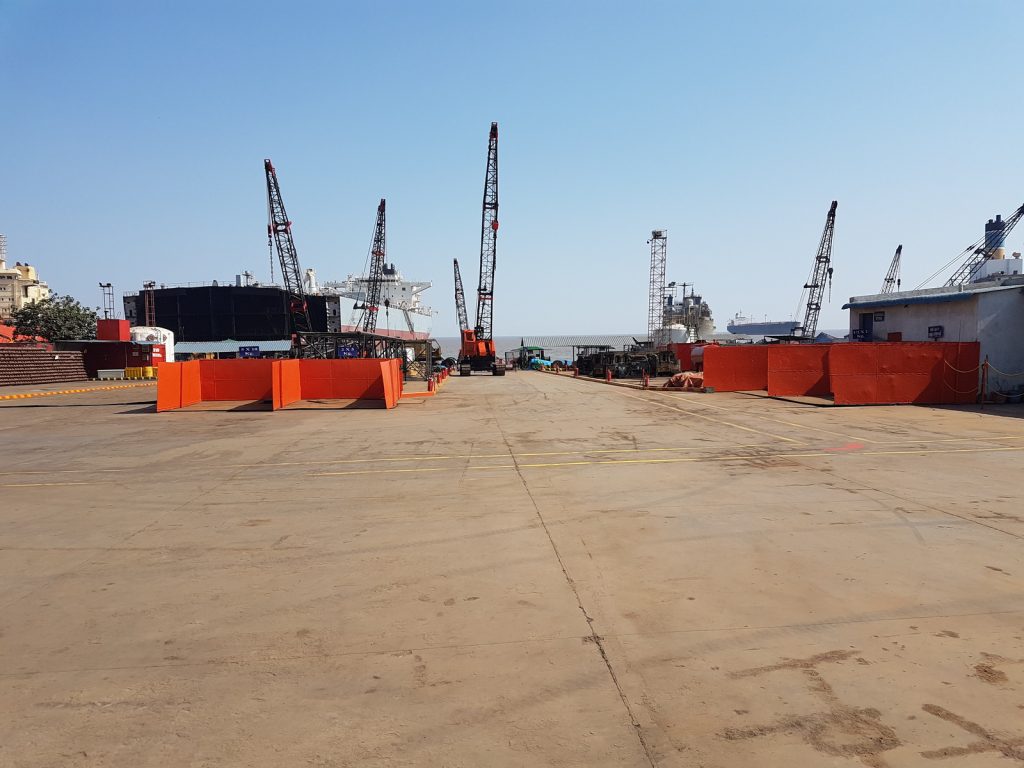
http://www.springfieldgrp.com/

DM8 Composites specialises in the construction and repair of fiber-reinforced plastic (FRP) boats, including pleasure yachts, passenger ferries, and patrol boats. Located in Danao City, Cebu, their modern boatyard aims to lead in FRP vacuum-bag construction, adhering to international standards. Established in 2018, DM8 Composites focuses on innovation, quality, and advanced engineering to deliver world-class vessels and services in new builds, repairs, and refits.

https://www.dm8composites.ph/

Hypro Marine, since 1976, designs and manufactures high-quality power-assisted steering systems for luxury motor yachts and commercial vessels. They provide bespoke hydraulic control solutions and distribute top marine products like Zipwake and Lectrotab. Known for innovation and reliability, Hypro Marine also offers extensive technical support and is ISO9001 accredited, ensuring superior performance and service.

https://hypromarine.com


GSR Services

Ensuring Maritime Compliance: Henning Gramann’s Vision for GSR Services

Join us in an insightful conversation with Henning Gramann, Managing Owner of GSR Services, as he discusses the complexities and challenges of IHM compliance in the maritime industry. Henning sheds light on the strategic innovations and technological advancements that GSR Services employs to streamline IHM maintenance, enhance compliance accuracy, and minimise risks for shipowners. He also offers valuable advice for companies navigating IHM compliance and shares his vision for the future of sustainable practices in maritime operations. Discover how GSR Services is leading the way in ensuring safe and environmentally sound ship recycling while promoting industry-wide improvements and collaboration.


Click below to access the digital brochure version

IHM Compliance and Challenges: Given the complexities of IHM compliance, what are the most significant challenges that shipowners and suppliers face today in maintaining compliance?


Generally, the complexities are not well understood. If IHMs would help save fuel or reduce emissions, it would be taken much more seriously and time would be spent digesting the rules and required actions.


Since the end of 2020, a certified and maintained Inventory of Hazardous Materials (IHM) contained in the structure and equipment of ships (IHM Part I) is required for EU-flagged ships above 500GT and all ships regardless of flag when visiting an EU-port. In the summer of 2025, the International Hong Kong Convention on safe and environmentally sound recycling of ships of IMO will enter into force, affecting more ships with mostly similar requirements than already with the EU regulation.


IHM is generally a quite exotic topic in the maritime industry. While getting the IHM developed and initially certified is a single effort, the maintenance of IHM applies for the entire ship’s life. This is often seen as a “necessary evil” without adding value. Various inconsistent practices for development and maintenance of IHMs have developed, also by service suppliers. The maintenance is sometimes even totally forgotten or ignored.


Due to lack of control, such incompliances remain undetected so far! The IHM is also to be re-certified at least every five years and as most have been developed in 2019 and 2020, the wave of re-certifications is coming. It will be interesting to see what will happen if an IHM is found not to have been properly maintained.


The core aim of IHMs is to support the planning of safe and environmentally sound recycling of ships by the recycler. If the IHM is faulty, incomplete, or too vague, either due to poor development or maintenance, this goal can’t be achieved and potentially even more risks are created than without any IHM. The IHM is not just a report but a technical file belonging to the ship. That means if it is of poor quality, substantial claims may be initiated against the seller by future owners or recyclers besides hefty fines for detected IHM incompliances during Port State Control Inspections.


In addition, recycling planning is also not part of daily operations as ships have a long lifespan. As such, related activities, including the development of IHM Part 2 (hazardous wastes onboard) and Part 3 (hazardous materials in stores), often happen spontaneously and without a proper strategy at hand. The outcome is either a top-dollar/low-quality approach, using greenwashing solutions, or trying to do it right but risking falling short on considering all relevant aspects and evaluating the options at hand.

Strategies for Efficient IHM Maintenance: You’ve emphasised the need for efficient IHM maintenance. Can you elaborate on the strategies GSR Services employs to minimise risks and costs for shipowners while ensuring compliance?


Most importantly, we carefully review all order data of a ship to identify the “IHM-relevant order items.” This creates a focus and prevents unnecessary workload for suppliers, shipboard crew, and service suppliers like us.


The challenge is that applicable rules are scattered across various regulations in the Hong Kong Convention, EU Ship Recycling Regulation, and IHM Guidelines of IMO. These regulations describe the general approach to “properly maintain and update the IHM Part I throughout the operational life, reflecting new installations and changes in structure and equipment containing hazardous materials of ships according to requirements for new ships.” This means activities causing a change in hazardous materials onboard need to be documented. Related details, such as hazardous materials contained in a product (i.e. Table A & B of IHM Guidelines for non-EU flagged vessels, Annex 2 substances for EU-Vessels), must be provided by suppliers in the form of a general “Suppliers Declaration of Conformity” (SDoC) and product-specific “Material Declarations.”


In addition to “causing a change,” various exclusions apply, such as loosely fitted items, metal and metal alloys, consumables, identical spare parts and coatings, items falling under the scope of IHM Part 2 or 3 (Table C of IHM Guidelines), and regular consumer products (Table D of IHM Guidelines) like TV sets, light bulbs, and furniture.


Due to these exclusion rules, it must be emphasised that always an order item counts, not an entire order, and the entire process has to reflect this. If an IHM Maintenance report only reflects PO numbers, it is cumbersome, and often nearly impossible, to identify the IHM-relevant order items contained therein. This causes an unacceptable level of intransparency, making recertification much more difficult and creating risks during PSC inspections. Unfortunately, this approach is more common than many think. As the wave of re-certifications is ahead of us, let’s see how this will be handled.


Supplier documents are required for all “IHM-relevant order items,” including non-hazardous products. Even for IHM maintenance, only hazardous material-containing products need to be tracked onboard. Without supplier documents, neither presence nor absence of hazardous materials can be verified. Related Maintenance Reports of the IHM should reflect changes, including locations and quantities, and provide related documents for both “non-hazardous” and “hazardous order items.” Otherwise, there is no transparency, and potential questions about why an item is not reflected due to either the absence of hazardous materials or the lack of documents from the supplier will be more difficult to answer over time.


A proper understanding and application of these rules and exemptions to individual order items are necessary for efficient IHM maintenance. If done properly, less than 5% of all order items are identified as “relevant,” for which only about 1% of Material Declarations state that a hazardous material is contained and the item requires tracking onboard. All this must be reflected in reports, and the crew only needs to track 0.05% of all order items for IHM maintenance. Such performance cannot be achieved with half-hearted approaches or when a purchasing system only has generic rules for categorization integrated.


What we see is that suppliers are first confronted with many unnecessary requests, making it more difficult to maintain focus. Despite this, the required information is not always at hand and needs to be gathered from their own supply chain. Sub-suppliers might not be focused on the maritime market or even aware that their products are sold to ships. As such, maritime requirements like Material Declarations (MDs) are unknown to them, and they are unprepared or unwilling to spend time and accept liabilities for this specific market. Consequently, related tasks can be as time-consuming for maritime suppliers as IHM maintenance is for ships.


Besides unnecessary requests creating more efforts and costs for all, they also increase the risk of documentation gaps. Even when artificially created by various shortcomings, they must be documented black on white in the reports, a great source for questions and trouble during recertification and PSC inspections.


GSR puts a lot of effort into careful relevancy checks, smooth processes, and supportive follow-up activities. Our motto is that “we’re all rowing in one boat,” and it doesn’t make sense to make compliance aspects bigger or more cumbersome than necessary. Smart solutions and the right attitude help all of us, reduce risks, and save costs for everyone.

Role of Technology in IHM Maintenance: How does GSR Services incorporate technology and digital tools, such as NautilusLog, to streamline IHM maintenance and enhance the accuracy of compliance documentation?


IHMs are to be developed prior to the delivery of a ship by the building yard using supplier documents. After delivery, IHM maintenance is required for the entire operational life. This means tens of thousands of individual files must be collected, managed, kept, and described items tracked (new installations, relocations, removals), with the whole process certified at least every five years. This alone makes it clear that an Excel-based approach will not be sufficient.


On top of that, crucial tasks like evaluating order items, exchange with suppliers, sending reminders, controlling provided documents, keeping them available, following up onboard, updating IHM, and transparent maintenance reporting including item-specific histories make it obvious that only dedicated software can keep this task manageable. Updated IHMs must also be available in case of a PSC inspection. Manually, this task would be nearly impossible or at least extremely time-consuming and resource-intensive.


At GSR, we started looking into all these aspects in 2006 and developed the necessary processes for efficiently fulfilling the requirements, at that time still in the drafting stage at IMO. The managing owner was directly involved in the related developments at IMO and is familiar not only with the outcomes in writing but also with the discussions and considerations behind the rules. Seven years ago, GSR started collaborating with the startup NautilusLog, and all experiences have been incorporated into their software solution. We continue to learn and implement further improvements in the system to enhance efficiency.


Most order data from clients is automatically uploaded into the tool via API connections; others are manually imported. Each order item is cross-checked with the IMPA catalogue, which we have fully categorised, plus our more than 4,500 word-rules carefully developed over the years. Whatever item is not categorised automatically is then managed manually by us. The results of categorizations are recorded, and for relevant order items, a request is sent out to the related supplier. GSR Services and Sinwa Singapore also joined hands to develop a freely accessible categorization tool for order items to ease the process for all involved.


Each supplier gets an individual landing page showing all open requests, where documents can easily be uploaded. Once this is done, a task appears in the system for us at GSR to review the document. If found to be inaccurate, it is not accepted, and the supplier is notified with our individual message explaining the reasons for rejection. If the document is accepted, parameters are set regarding the presence of hazardous materials in the specific product. If absent, the document is archived; if present, the system generates a task for the crew to label and track the item by specifying locations and quantities stored or installed. Then, a new or modified entry in the ship-specific IHM and maintenance report is generated.


An up to date maintenance report can be generated on demand 24/7 with a simple click in the system by any of the registered users. We suggest finishing all tasks and generating a report prior to arrival at a port. As we don’t charge for this, it comes at no extra cost, and ships are always well prepared for inspections and audits.

Impact of Incorrect Material Declarations (MDs): What are the potential consequences for shipowners and suppliers when incorrect MDs are submitted, and how does GSR Services work to prevent these errors?


If suppliers do not take proper care when developing and providing MDs to their customers, they can be held liable for false information for as long as the product exists onboard. That is a long time, and liability means that any subsequent damage caused by false documents, for instance, the presence of a heavy metal in a product must be compensated for. Over time, ship-specific IHMs become more inaccurate if suppliers fail to perform their duties. As mentioned, an IHM is a technical file and may lead to disputes between buyers and sellers of ships when it is not accurate. It is also important to remember that the aim of IHMs is to support the planning of safe and environmentally sound recycling of ships. The risks and potential consequences are most significant in this context.


Considering the risks involved, we strongly warn against using converter tools that transfer POs into separate MDs for each order item contained or signing “nothing contained-MDs” provided as attachments to the requests sent to suppliers. Such approaches only increase the risks of false MDs, even though they might seem like a convenient quick fix. Any supplier who wants to remain in the market should avoid these practices. Instead, and when known well, other regulations and standards can be utilised for evaluating the presence and absence of hazardous materials in products.


GSR Services works diligently to prevent these errors by ensuring suppliers understand their obligations and the importance of accurate MDs. We provide clear guidance and individual support to suppliers, emphasising the critical role that MDs play in maintaining accurate IHMs. Our processes include detailed checks and follow-ups to verify the information provided in MDs. By fostering a thorough and transparent approach, we help minimise the risks of incorrect MDs and ensure that all parties involved can rely on the accuracy of the IHM documentation.

Education and Support for Suppliers: Given the intricate requirements of IHM maintenance, what support and education does GSR Services provide to suppliers to ensure they understand and meet these obligations?


We achieve a high return ratio of MDs on our requests, often well above 90%. Besides maintaining a clear focus on required documents, we also provide a hands-on manual on the landing pages for suppliers. Frequently, we offer workshops and webinars, including Q&A sessions, to raise awareness and find individual solutions within the legal framework. Additionally, GSR always provides personal support of up to one hour free of charge to all suppliers of its clients via phone, emails, and video calls. We also run a YouTube channel with webinars on demand.


We strive for cooperation and raising awareness, as this helps to lessen related efforts for all and increase compliance throughout the industry. This approach is far more helpful than threatening suppliers with reporting their “uncooperative behaviour” to their customers. As we also support suppliers by taking care of their MD management, we have experienced these challenges firsthand. In cases where we reject MD requests from shipowners or their service suppliers when supporting suppliers for items excluded from IHM maintenance by the rules, we inform the requester with a clear justification.


In instances where service suppliers do not understand the rules properly or interpret them differently, we have been pressurised and accused of bending the rules. This has even led to suppliers being reported, risking damage to their reputation. In such cases, we had to approach the shipowner the service supplier was working for to clarify the situation and elaborate the rules.

Improvements in Industry Practices: You’ve noted industry practices that complicate IHM maintenance. What improvements would you like to see implemented across the industry to address these issues?


A significant step towards unified processing and understanding are the industry guidelines for shipowners and suppliers on IHM maintenance. These guidelines have been developed by major associations such as ICS, BIMCO, ISSA, and others. Many of the same individuals active in the working group on ship recycling at IMO, which developed the IHM Guidelines and the Hong Kong Convention, also contributed to these industry guidelines.


When the associations discussed and reviewed current performance in regards to IHM maintenance, they jointly decided to develop industry guidance due to the immense demand and confusion. Henning Gramann of GSR Services participated in this development and was asked to share its process description. After a detailed review by the experts involved, including various lawyers from the associations, our process was fully incorporated. As such our understanding and practices have been independently verified and found to be fully compliant.


The most significant improvements can be achieved when all stakeholders – shipowners, their service suppliers, ship suppliers, as well as Porst State Control (PSC) and classification societies – carefully consider the industry guidance and act in compliance with it. This collective adherence will help streamline processes, reduce confusion, and ensure a higher standard of IHM maintenance across the industry.

Compliance Data Management Approach: Could you explain the concept of ‘Compliance Data Management’ and how it differs from the expertise traditionally found among IHM experts?


First of all, IHM experts are often class-approved specialists who go onboard ships to investigate the presence of hazardous materials. This involves visual checks and sampling. However, this approach is not suitable for newbuildings or IHM maintenance. As such, the related class approvals do not cover IHM maintenance, even though some claim to be approved for this as well.


Compliance data management, on the other hand, involves a transparent and traceable exchange of product data within supply chains, ideally down to raw materials, and the aggregation of such data for finished products. These products can be as complex as cars, electronics, medical equipment, and ships. The goal is to ensure traceability and automatic updates throughout entire supply chains, maintaining transparency and assigning related liabilities for the information provided.


Everyone involved is responsible only for the information they provide and combine, not for the details from others. This approach ensures that data is managed in a way that supports compliance with regulations and maintains the integrity of the information throughout the supply chain, differing significantly from the traditional methods used by IHM experts.

Partnership and Collaboration in Recycling: Can you discuss a specific case where GSR Services successfully facilitated compliant ship recycling, and what were the key factors that contributed to this success?

Besides a few projects, there are two ships and their owners worth highlighting. With the owners of a New Zealand Navy Tanker and a Campaign Vessel of Greenpeace, we jointly developed their ship recycling policies and tender requirements. We identified ship-specific hazardous materials and set requirements for the recycling of their assets. Interested ship recyclers were requested to prove their capabilities to comply with international and individual requirements and show willingness to accommodate individual criteria. These facilities were then inspected by GSR experts.


The outcome of the due diligence inspection was a rating that ensured commercial aspects could not compensate for shortcomings in quality. We accompanied contract negotiations, planned the last voyage including certifications, and then supervised the entire process from the arrival of the ships at the ship recycling facilities until the last disposal of wastes. The Navy vessel was recycled in India, marking the first-ever recycling under full compliance with the Basel Convention, while the Greenpeace vessel was recycled in Spain under EU-rules. Both projects ensured full traceability of all materials and were completed without any pollution, accidents, or incidents.


It’s also important to mention the many projects we have carried out with ship recyclers since 2013. We were the first to achieve full compliance with the Hong Kong Convention for ship recyclers in India. Such facilities look and operate very differently from what others claim is common “beaching.” Over the years, we have worked with more than 60 ship recyclers in various countries, helping them to substantially upgrade their practices.


Future of IHM Practices: Looking forward, how do you see IHM practices evolving in the maritime industry, especially with potential new regulations and global standards?


The IHM, including its maintenance, is sometimes interpreted as a means to support material circularity—in other words, to increase the recycling of valuable materials. This interpretation is not entirely accurate as it only covers one aspect of material circularity, or Cradle2Cradle. As such, we challenge this interpretation.


What is true is that the basics, like gathering and tracking material information over the lifecycle of a ship, are helpful, but the scope of IHMs needs to be extensively widened. When properly combining material compliance data exchange and tracking for ships, not only Cradle2Cradle but also sufficient ESG-Reporting and compliance with CSRD can be achieved. Today, we often see only partial reporting, which is far from comprehensive enough to meet the new legal requirements in the EU and UK.


In other words, extended data processing can be utilised for substituting SVHCs (substances of very high concern), ensuring the circulation of materials and resources, preventing downcycling and wastage, increasing the efficiency of using resources, and elevating sustainability. New requirements on sustainability reporting and financing are based to a very great extent on this data, and we are soon to release a complete service to support companies in their sustainability efforts and fulfilling related requirements.


This is a complex topic that could fill many further pages, so let’s keep it short for now.

Advice for navigating IHM Compliance: For companies struggling with IHM compliance, what practical steps can they take to improve their processes, and how can engaging with a service like from GSR Services benefit them?


As a first step, the Industry Guidance is great for clarifying the required steps, roles, and responsibilities of the different stakeholders, including relevancy checks. Seeking advice from classification societies may not be as helpful, as many are not necessarily better informed.


Various service suppliers offer different approaches, and their methods should be evaluated. For example, check whether they report on an order item-level, provide a converter tool, or pre-filled documents and the percentage of “IHN-relevant order items” is an easy KPI to consider. It’s also enlightening to ask suppliers about their experiences with the various service suppliers in terms of total costs, not just the service fees should be compared but also external costs and efforts generated is important.


Additionally, we at GSR Services are always happy to share our information and experience through platforms like YouTube, our website, LinkedIn, and in articles like this one. Taking a few minutes to digest this information will help all to make the right decisions. Engaging with a service like from GSR Services can provide practical insights, ensure compliance, and streamline the entire IHM process, ultimately minimising risks and costs for shipowners and their supply chains.


In Association with:

Bansal Group, established in 1999, is a major corporate house in Central India with diverse interests. They operate in sectors including education, healthcare, FMCG, iron and steel, infrastructure, and media. The group is known for its commitment to care and empathy, offering services such as a multi-specialty hospital, educational institutions, and the redevelopment of Rani Kamalapati Railway Station. Bansal Group combines visionary leadership with innovative practices to drive growth and community development.

https://bansalgroupindia.com/

JRD Industries, established in 1993, is a leading ship recycling company based in Alang, India. They hold compliance certificates from Lloyd’s Register and Class NK, ensuring adherence to the Hong Kong Convention and EU regulations. With a focus on environmental sustainability and worker safety, JRD Industries provides high-standard ship recycling services. Their business model emphasizes single-ship recycling with minimal handling for maximum safety and quality.

http://www.jrdindustries.net/

High Seas Marine & Industrial Services Co Ltd

Enhancing Maritime Services: Insights from High Seas Marine & Industrial Services Leadership Team

High Seas Marine & Industrial Services Co Ltd stands at the forefront of the maritime industry in Saudi Arabia, offering a comprehensive range of services including vessel chartering, ship chandelling, technical support, and marine agency services. In this exclusive interview, we engage with key members of the High Seas leadership team: Vladimir Poddubnyy, Managing Director; Ahmed Nagmar Marine Operations Manager; Rovelyn Camagong, Supply Chain & Chartering Contracts Manager (Vessel Chartering); Mohammed Hussain Mulla, Ship Chandelling Manager; Tamer Younis, TSS Manager (Technical Support Services); and Shaiju Shajahan, Agency Manager. Together, they provide valuable insights into the company’s vision, strategies for growth, sustainability practices, and their commitment to excellence in service delivery. Discover how High Seas Marine is navigating the complexities of the maritime industry and setting new standards for quality and efficiency.


Click below to access the digital brochure version

Questions for Vladimir Poddubnyy, Managing Director

Company Vision and Growth: Can you provide an overview of High Seas Marine & Industrial Services and discuss the company’s vision and strategic goals for growth in the next five years?


High Seas Marine & Industrial Services is a leading provider of marine and industrial services since 2010 in the Kingdom of Saudi Arabia. High Seas is aggressively engaged in providing our customer a full service like a “one stop shops” for all marine services like chartering offshore support vessels, Marine agency services, ship chandlery services and Technical Support Services to clients which are carried out at (though not necessarily limited to) Ras Tanura, Dammam Port, Khafji port and Jubail commercial, industrial port, Ras Al Khair, and Aramco Fields.


The vision of High Seas Marine is to become the premier provider of marine and industrial services in the region, known for its excellence in safety and service delivery, innovation, and customer satisfaction. The company aims to achieve this vision by focusing on strategic growth initiatives that will drive expansion and increase market share in the next five years.


One of the key strategic goals for growth at High Seas Marine is diversifying our service offerings to meet the evolving needs of our customers and expand our customer base and entering new markets to drive revenue growth. We’re investing in state-of-the-art equipment and training program to ensure that our team members are equipped with the skills and expertise needed to deliver superior service to clients. By improving operational efficiency and expanding our service offerings, we aim to reduce costs, increase productivity, enhance customer satisfaction and attract new customers and increase revenue streams. With a strong commitment to excellence and customer satisfaction, High Seas Marine is well-positioned for success in the years to come.


Sustainability and Compliance: How does High Seas ensure compliance with international standards and what sustainability practices have you implemented to minimise environmental impact?


Sustainability and compliance are crucial aspects of our operations, especially in the marine industry. At High Seas Marine, we prioritise both environmental sustainability and strict adherence to international standards. We understand the delicate balance between maritime operations and environmental well-being.


One of the key ways High Seas ensures compliance with international standards is by adhering to regulations set forth by organisations such as the International Maritime Organization (IMO) and the United Nations Convention on the Law of the Sea (UNCLOS). We have implemented our Safety Management System and HSM policy, and our commitment is demonstrated by achieving certifications such as Document of Compliance in 2022, ISO 9001:2015, ISO 14001:2015, and ISO 25001:2018 standards, along with the implementation of OVMS. These certifications ensure that our operations meet the highest standards of safety, environmental protection, and sustainability, while also enhancing our reputation in the industry and opening new opportunities for growth.


High Seas employs eco-friendly technologies and materials in our operations. We use biodegradable materials and environmentally friendly cleaning products to reduce our impact on marine ecosystems. We have implemented strict waste management practices to prevent marine pollution and regularly conduct environmental impact assessments to identify potential risks and develop mitigation strategies. By minimising our carbon footprint and contributing to the preservation of marine ecosystems, we aim to ensure a sustainable future for generations to come.

Question for Almed Nagmar, Marine Operations Manager

Vessel Chartering Operations: Can you elaborate on the vessel chartering services provided by High Seas and how you ensure the reliability and efficiency of these operations?


High Seas offers a wide range of vessel chartering services for various purposes. Our chartering operations include crew vessel chartering services for transporting personnel to and from offshore installations, oil rigs, and other maritime locations. Our crew vessels are equipped with state-of-the-art safety features and amenities to ensure the comfort and well-being of crew members and passengers. We have a team of experienced and skilled crew members who are trained to handle all types of situations and provide excellent service to our clients. We prioritise safety and customer satisfaction in all our passenger vessel operations.


In addition, we offer offshore support vessel chartering services for various offshore operations, including delivering provisions offshore, surveys and diving operations, maintenance, and construction activities. We work closely with our clients to understand their specific requirements and provide customised solutions to meet their needs.


We follow strict quality control measures and safety protocols to ensure the reliability and efficiency of our vessel chartering operations. We conduct regular maintenance checks and inspections on all our vessels to ensure they are in optimal condition for operation. Our crew members undergo rigorous training and certification programs to ensure they are well-prepared to handle any situation that may arise during a chartering operation.

Question for Rovelyn Camagong, Supply Chain & Chartering Contracts
Manager

Client Relationship Management: How do you manage client relationships and ensure satisfaction in both vessel chartering and taxi boat services, especially in a competitive market?


Client relationship management (CRM) is crucial for building strong relationships with our clients, ensuring repeat business, and maintaining a competitive edge in the market. We use personalised service as a tool for relationship management. We take the time to understand the unique needs and preferences of each client, whether they are chartering a vessel for a long-term offshore project or using taxi boat services for transportation and other various offshore operations.


We have a dedicated customer service team available 24/7 to address any concerns or issues our clients may have. We prioritise open communication and transparency in all our operations to ensure our clients are informed and satisfied with our services. By tailoring our services to meet the specific requirements of each client, our commitment to excellence and professionalism sets us apart as a trusted provider of vessel chartering services in the maritime industry.


Question for Mohammed Husssain Mulla, Ship Chandelling Manager

Quality and Timeliness: How do you ensure the quality and timely delivery of food provisions, machinery, and other materials to vessels, and what challenges do you typically face in this process?


Ensuring top-notch quality is our priority, and we enforce stringent quality control measures at every stage of our operations. Our dedicated team meticulously inspects all incoming materials to verify they meet our rigorous standards before they are dispatched to our clients. Collaborating closely with trusted suppliers allows us to procure the finest products available, and we consistently assess and enhance our processes through ongoing monitoring and evaluation.


Our logistics system is designed to ensure that we meet deadlines consistently and reliably. By working closely with our clients to understand their individual requirements, we are able to customise delivery schedules that align with their timelines. Our team of experienced logistics professionals is dedicated to coordinating shipments, tracking deliveries, and ensuring that goods arrive at their intended destinations on time.


While we may encounter unexpected obstacles such as inclement weather that could impact delivery schedules, we are proactive in communicating with clients to explore alternative options and mitigate any potential delays. Our commitment to open communication and proactive problem-solving ensures that we consistently deliver on our promise of timely and reliable service.


One of the obstacles we encounter is the intricate web of international shipping regulations and customs procedures. The complexities involved in navigating these regulations can be daunting, but our team is highly knowledgeable in these areas and works tirelessly to ensure that all required documentation is complete and that shipments pass through customs seamlessly.


Although these challenges can be demanding, we are dedicated to overcoming them and delivering top-notch service to our clients. Our team’s expertise and commitment to excellence enable us to navigate the complexities of international shipping regulations, ensuring that our clients’ shipments reach their destinations without unnecessary delays or complications.


Questions for Mohammed Hussain Mulla, Ship Chandelling Manager

Comprehensive Chandelling Services: Can you describe the range of ship chandelling services offered by High Seas and how you meet the diverse needs of vessels in terms of provisions and materials?


High Seas Marine is your go-to provider for all your chandelling needs. We offer a wide range of services to meet the diverse requirements of vessels, ensuring they are well-stocked and equipped for their journeys. Our provisions are of the highest quality, with fresh fruits, vegetables, meat, dairy, and dry goods available to keep your crew well-fed and satisfied. Additionally, we provide a variety of materials and supplies, including fresh water, deck store items, safety equipment, and spare parts, tailored to meet the operational needs of different vessels. With High Seas Marine, vessels can rely on personalised service and top-notch products to navigate the seas with confidence.
 

At High Seas Marine, we understand the individuality of each vessel, recognizing that they have their own distinct requirements and preferences. This is why we prioritise close collaboration with our clients to gain a deep understanding of their needs, allowing us to deliver tailored solutions that align with their specific demands. Whether a vessel requires provisions, materials, or any other chandelling service, we are dedicated to offering exceptional service and ensuring our clients have all the necessary resources to operate seamlessly and effectively.


With our team of knowledgeable experts and an unwavering commitment to excellence, we are confident in our ability to address the needs of every vessel, no matter the level of uniqueness or complexity. Trust High Seas Marine to deliver personalised and top-tier solutions that support your maritime endeavours.

Questions for Tamer Younis, TSS Manager (Technical Support Services)

Scope of Technical Support: Can you provide details about the technical support services offered by High Seas, including the expertise and qualifications of your technical team?


Our Technical Support Services provide a wide spectrum of afloat repair services to shipowners and operators, both alongside the port and offshore, from our facilities in the Kingdom of Saudi Arabia. We are recognized service providers by various classification societies such as ABS and DNV for inspection, maintenance, and certification of LSA/FFA, SCBA, services of life rafts, inflatable lifejackets, HRU, marine evacuation systems, general maintenance, ship repair/maintenance and certification, calibration, GMDSS Radio Survey, UTG NDT Survey, and diving operations.


Our technical team is comprised of engineers, naval architects, qualified technicians, welders, divers, and other professionals who have undergone rigorous training and certification to ensure they are up to date with the latest industry standards and regulations. This expertise allows us to provide comprehensive technical support services to our clients, helping them navigate complex regulatory requirements and ensure the safety and compliance of their vessels.


Innovations and Safety: How is High Seas integrating new technologies into its technical support services to improve efficiency, and what safety protocols are in place to ensure high standards?


In today’s fast-paced world, businesses are constantly seeking ways to improve efficiency and productivity. High Seas is at the forefront of integrating new technologies to enhance our operations by using advanced technologies and automating routine tasks and processes.


We place a strong emphasis on safety protocols to ensure high standards of safety for our clients. We are implementing rigorous training programs for our technicians, ensuring that they are well-equipped to handle any technical issues that may arise. Furthermore, High Seas adheres to strict safety guidelines and regulations set forth by industry standards, ensuring that all work is carried out in a safe and secure manner.


We also conduct regular safety audits and inspections to identify and address any potential hazards or risks. By prioritising safety, High Seas is able to provide its clients with peace of mind, knowing that the technical support services are being handled by a company that places safety as its top priority.


Questions for Shaiju Shajahan, Agency Manager

Marine Agency Services Overview: Can you explain the range of marine agency services provided by High Seas and how these services benefit your clients?


High Seas offers a comprehensive suite of marine agency services designed to support our clients’ needs effectively and efficiently.


Port Agency Services: We handle all aspects of vessel arrivals and departures, including coordinating pilotage and tug services, managing customs and immigration formalities, and assisting with cargo operations. By managing these critical tasks, we ensure that our clients’ vessels are efficiently processed in port, saving time and reducing costs.


Husbandry Services: Our husbandry services include arranging crew changes, providing medical assistance, and addressing any other requirements that may arise during a vessel’s stay in port. Our team is available 24/7, ensuring continuous support for our clients whenever they need it.


Cargo Agency Services: We coordinate the loading and unloading of cargo, arrange for storage and transportation, and handle all necessary documentation. By managing these operations, we streamline our clients’ processes, ensuring their cargo is handled with utmost care and efficiency.


The range of marine agency services provided by High Seas is designed to deliver substantial benefits to our clients. By entrusting their maritime needs to us, clients can concentrate on their core business activities while we take care of the complexities involved in port operations, crew changes, and cargo handling. Our team of experienced professionals is dedicated to delivering services that meet the highest standards of quality and efficiency. When it comes to marine agency services, High Seas is the partner you can trust.


Coordination and Logistics Management: How do you manage the coordination and logistics of services such as crew changes, custom clearance, and port access, ensuring smooth and efficient operations for vessels?


At High Seas, we prioritise meticulous planning, effective communication, and the utilisation of advanced technology to ensure smooth and efficient operations for vessels. Here’s how we manage the coordination and logistics of essential services:


Strategic Planning: We develop comprehensive plans for crew changes, customs clearance, and port access, detailing each step and the associated timelines. This proactive approach allows us to make all necessary arrangements well in advance, minimising the risk of last-minute issues that could disrupt operations.


Effective Communication: Maintaining open lines of communication with all stakeholders—including crew members, port authorities, customs officials, and service providers—is crucial. By keeping everyone informed and updated on the status of services, we can prevent misunderstandings or delays that could impact vessel operations.


Leveraging Technology: We utilise digital tools and software to streamline processes, improve efficiency, and provide real-time visibility into the status of services. Our technology solutions help automate tasks, track progress, and identify potential bottlenecks or issues that need prompt attention, ensuring smooth operations.


Skilled Team: We have a dedicated team of professionals with expertise in coordination and logistics management. Our team members possess a deep understanding of the maritime industry, regulations, and best practices, enabling them to navigate complex logistical challenges effectively and ensure that services are delivered seamlessly.


By integrating these strategies, we ensure that vessels operate smoothly and efficiently, minimising disruptions and maximising productivity. Our proactive and assertive approach to coordination and logistics management upholds the highest standards of service and safety in the maritime industry.

Bodensee-Schiffsbetriebe GmbH

Charting a Greener Course: Christoph Witte’s Vision for Bodensee-Schiffsbetriebe

We engage in an insightful conversation with Christoph Witte, Managing Director of Bodensee-Schiffsbetriebe GmbH, as he shares his innovative approach to transforming ferry operations on Lake Constance. With a strong commitment to environmental stewardship, Christoph discusses the strategic decision-making behind adopting fully electric ferries, the challenges of implementing sustainable energy solutions, and the vision for decarbonising the entire fleet. Discover how Bodensee-Schiffsbetriebe is setting a pioneering example in the decarbonisation of German inland navigation, aligning with the broader goals of sustainability and technological advancement.
 

Click below to access the digital brochure version

Strategic Innovation: Could you explain the decision-making process behind choosing fully electric ferries for short routes, such as the MS ‘Insel Mainau’ operation?


Almost exactly five years ago, the city of Konstanz declared a climate emergency and subsequently decided to become carbon neutral by 2035. As a municipal company, we were naturally among the first to be called upon to implement this initiative, and we were happy to do so.


The first Corona season gave us a lot of time to think about fleet development. Normally, we replace old vessels with new ones of a similar size. However, it was clear at the time that there were no alternative propulsion solutions, especially for the large vessels, that we could invest in sustainably. To avoid losing more time on the path to decarbonisation, we considered where we could use a fully electric ship sustainably, also from an investment point of view. The result is the design of the MS INSEL MAINAU, which sails between Uhldingen, the island of Mainau, and the town of Meersburg.


However, we have never lost sight of the bigger picture – the decarbonisation of the entire fleet – and have continued to refine our concepts in parallel.


True to our motto: Think big, start somewhere!


Operational Efficiency: How does the operational profile of 15-minute crossings with quick turnaround times enhance the efficiency and attractiveness of your ferry services?


First and foremost, electric drives are significantly more effective, with much lower losses, than combustion engines. The efficiency of a modern all-electric drive system is around three times higher than that of a conventional diesel drive. Additionally, we had the ship’s lines optimised for our application using computational fluid design (CFD) to reduce the ship’s resistance and required propulsion power. The MS INSEL MAINAU can transport up to 300 passengers with just 2x60kW drive power.


As the distance to be travelled is relatively short, we decided to travel more slowly than before. The cruising speed has been reduced from 23 km/h to 15 km/h. This was another major gain in efficiency. Our passengers now have a wonderful little cruise: gliding across Lake Constance in complete peace and quiet, without any emissions. The new passenger compartments are designed to enhance this experience.


Charging Infrastructure: What were the key factors in setting up the 3MW transformer stations and quick-charging batteries for the e-LODI ferries?


The good results with the MS INSEL MAINAU, and further developments in battery technologies, motivated us to consider the electrification of other lines. The ferry operated by Stadtwerke Konstanz GmbH has a 15-minute crossing time, with an equivalent time for charging. Meanwhile, the fast-charging capability has developed to a point where it is possible to recharge the energy required for the crossing during cargo handling. Together with the required drive power, this necessitates a charging station capable of providing 3MW.

Sustainable Energy Solutions: Can you discuss the integration of the E-TABOR for Stadtwerke Konstanz GmbH system with solar power installations at gateways to Constance and how this contributes to the ferries’ energy needs?


The project would become really attractive if we were to cover the entire forecourt, which is already sealed with asphalt, with solar cells. These areas are so large that at peak times, i.e., under optimal conditions, they would cover the energy requirements of the ferries to be loaded. Even in less ideal conditions, a considerable proportion of the energy could still be generated on-site. It would also serve as a great new landmark for the city of Constance, which was the first to declare a climate emergency: The city’s gateway as a kind of solar tunnel via which I can enter the city by ferry.


We expect to produce 20-30% of the energy we need ourselves. We would still need to draw most of our energy from the grid. But since the entire country wants to become climate-neutral, energy production will also have to move towards renewable alternatives. Within our sphere of influence, we have done everything we can to turn the ferries climate-neutral.


Environmental Impact: What impact do you foresee the solar power installations and the battery system having on Bodensee-Schiffsbetriebe’s carbon footprint?


For Bodensee-Schiffsbetriebe (BSB), self-produced solar power holds secondary importance. BSB mainly operates on long routes with long harbour times and large ships. Additionally, we have a significant number of traditional ships that need to be preserved, as it is precisely because of them that guests come to the beautiful Lake Constance. The energy density of batteries is not sufficient in this context, and we have been investigating solutions involving hydrogen or methanol, which is a hydrogen carrier, for some time. Methanol, in particular, seems very interesting to us, and initial conversion concepts have already been developed. We are, of course, talking about green methanol here.


System Architecture Challenges: What are the biggest technical or logistical challenges you’ve faced while implementing the SYSTEM ARCHITECTURE E-TABOR for your ferries?


The biggest challenge has been and continues to be the charging infrastructure. We have to transfer 3MW of power in a short time, which cannot be done with a simple plug system. Therefore, we need to develop a special and certifiable solution for this. While the on-board systems are demanding, there are now standards that we can build on, making it somewhat easier to manage these complexities.

Policy and Economic Support: How critical is economic and political support for transforming Lake Constance into a model region for climate-neutral shipping?


This support is extremely important for us; we need it, it’s as simple as that. No shipping company is in a position to bear these high costs itself. Incentives in the form of support programs must be created. Currently, the funding rate for ship conversions is too low. For the MS INSEL MAINAU, it was just 9% of the total costs, for which we are really grateful, but that will not be enough for the larger projects. The funding rate for electric buses in Germany was once 80%, and the CO2 savings here are significantly lower. If we were to start talking about the costs of decarbonisation, i.e., where to get the CO2 reduced with as little money as possible, then we would very quickly end up with shipping and invest in a greener future here.


Long-Distance Decarbonisation: Could you elaborate on the methanol concept for decarbonising the entire BSB fleet and the timeline for its implementation?


Yes, methanol is the concept for our large vessels, while the smaller ones will be supplemented with fully electric ships. The goal is to decarbonise the entire fleet by 2035.

Vision for Future: What are your long-term goals for BSB in terms of technological advancements and fleet expansion?


We are not currently thinking about expanding the fleet, but are focused on how we can decarbonise the existing fleet and use it more effectively. We are always keeping our eyes open for new technological developments that we could leverage. However, we believe that development will move strongly in the direction of methanol drives, as major global players are already relying on this technology. What is primarily still missing is the necessary infrastructure.


Leadership Philosophy: What drives your passion for leading environmentally friendly transport solutions at Bodensee-Schiffsbetriebe GmbH?


Bodensee-Schiffsbetriebe GmbH operates shipping in Germany’s largest drinking water reservoir. Large parts of the shore regions are under nature conservation protection. BSB has voluntarily subjected itself to environmental certification for years, and the regulations for shipping have been leading in Germany for many years in terms of environmental protection. We have long been committed to these values, having put the first EUV-certified ship in Germany into operation on Lake Constance, and built a gas ferry that can be operated with BioLNG. Now, we want to play a pioneering role in the decarbonisation of German inland navigation. What could be better suited for this than the Lake Constance region? We want to be a role model and motivator for other shipping companies.

In Association with:

TECHNOLOG provides specialised maritime consultancy and engineering services, focusing on innovative ship design, marine consulting, and advanced maritime technology. Their expertise covers concept development, project implementation, conversion, and retrofitting of ships, ensuring high efficiency and compliance with industry standards. With over 30 years of experience, TECHNOLOG supports global clients with customized solutions for various maritime needs, from new builds to modifications.

https://www.technolog.biz/

Oceanco

Pioneering Sustainable Yachting: Insights from Arie Van Andel, CTO of Oceanco

Join us for an exclusive interview with Arie Van Andel, Chief Technology Officer at Oceanco, as he delves into the innovative strides the company is making in the realm of yacht design and technology. With a commitment to sustainability and cutting-edge advancements, Oceanco is at the forefront of creating eco-friendly and advanced superyachts. In this conversation, Arie shares his vision for the future, the integration of emerging technologies, and how Oceanco is navigating the challenges and opportunities within the maritime industry. Discover how Oceanco is shaping the future of yachting with groundbreaking designs and a steadfast commitment to sustainability.


Click below to access the digital version

Role and Vision: As the CTO of Oceanco, could you share how your role shapes the company’s vision and technological advancements in yacht design?


I don’t believe one person shapes the company’s vision and technological advancements, per se; but rather this stems from the company’s DNA, which we have articulated in our vision and mission statement. Our company’s vision is “to be the most exclusive builder of the world’s coolest yachts,” and our mission is “to create, deliver, and support innovative and uniquely designed, high-quality large yachts that are perfect for their visionary owners”.
Owners usually have a vision or dream of how they want their yacht to look and the experience they want it to deliver. It is up to us to interpret their wishes and to realise them in the physical form of a yacht that, once delivered, surpasses all expectations. This can only be achieved when our approach to design and technical systems – a core part of our DNA – is fundamentally innovative.


Since the earliest days of Oceanco, we have been privileged to collaborate with nonconformist owners and equally ambitious partners to push boundaries with our yachts. This has resulted in arguably the most impressive portfolio of innovation in the yachting industry. Projects like Black Pearl are a typical example where an owner’s distinct vision, Oceanco’s innovative essence, and the strong partnership with our Co-maker network converged with spectacularly innovative results. These achievements show the power of partnership, and we are thankful for everyone who has joined us on this journey.


Technology Integration: What are the latest technological innovations Oceanco has integrated into its yacht designs and how have they enhanced performance and luxury?


AI and machine learning are starting to play a beneficial role in how we engineer, build, and operate yachts. Interestingly, we are making the first steps towards predictive maintenance of yachts, which should allow us to reduce downtime—a significant benefit for owners and crew.


This new technological capability brings the potential to evaluate vast amounts of information more quickly, meaning we can gain better insight into the carbon footprint of our yachts throughout the building process and eventual lifecycle. With this data in place, we can narrow the gap between where we are today and where we want to be in a more efficient reality—bringing us ever closer to conscious construction.


We have been executing this on a current project, and the client has been extremely pleased to gain such a deep understanding of his yacht’s impact across both the build and subsequent life cycle.

Sustainability Focus: Oceanco has a commitment to sustainability. Can you discuss the technologies and practices you’ve implemented to make yachting more eco-friendly?


Sustainability in yachting has been a major focus for Oceanco for around a decade now; I would argue long before it entered the mainstream for our industry. We have advanced so much in the last decade that what was once considered more ‘out there’ is now the norm, and we are looking to even more exciting ways to futureproof our yachts for the duration of their lifecycle.


The introduction of hybrid propulsion systems has been the biggest game-changer. The addition of batteries to our superyachts’ technical systems allows for peak shaving, enabling more efficient energy usage. Electromotors have reduced unpleasant noise and vibration onboard, which is a high priority for most owners.


Here is a brief summary of some major projects we have delivered or developed over the last decade, relating specifically to sustainability in yachting:


BLACK PEARL


Our first flagship ‘sustainable’ project was the 106m sailing yacht Black Pearl, whose visionary owner wanted to build the most eco-conscious yacht possible. Probably her most interesting innovation is the ability to regenerate power through her sails. Her hybrid propulsion installation has two shaft lines, each with a controllable pitch propeller. In normal sailing mode, the propellers are set to minimise drag and prevent the shafts from turning. But to harvest some of that kinetic energy to be stored and used onboard, the pitch of the propellers is altered to create a lifting force as the water passes over them. This rotates the shafts, which are connected to a permanent magnet electric propulsion motor, effectively converting the wind energy that is moving Black Pearl through the water into electrical energy.


With the system reaching its full potential, Black Pearl is able to achieve a zero-emission transatlantic crossing where both propulsion and hotel services are powered by the wind alone. We are able to turn back the clock to a time when oceanic travel was emission-free, except now with all the comfort and luxury provided onboard a modern yacht.


LIFE DESIGN


Then came our LIFE Design approach – standing for Lengthened, Innovative layout, Fuel efficient, and Eco-conscious – successfully tackled with engineering partner Lateral. It was first used on the 109m (357ft) Bravo Eugenia, which we delivered in 2018. The team focused on hydrodynamics: The resistance performance of a yacht is significantly influenced by its length at the waterline and its weight. In naval architecture, we call this the ‘length displacement ratio.’ If you have two vessels of the same weight, the longer one will have a reduced overall demand for propulsion power, and consequently a reduced size of engine and related equipment is needed. It is a simple principle, but it is the fundamental foundation of LIFE Design. And in adopting a refined version of the hybrid propulsion system used for Black Pearl on Bravo Eugenia, even greater power advantages were conveyed to her over a conventional diesel-only system.


Thanks to LIFE Design, Bravo Eugenia’s technical space was reduced while the guest space was boosted to over 100sqm at the desirable waterline level. She exhibits best-in-class hydrodynamic efficiency and 30% less fuel usage compared to a conventional motoryacht of the same size. She also features a waste heat recovery system and integrated battery system to allow for optimal operation at all times.


Even though she can achieve speeds of up to 19 knots, Bravo Eugenia offers a relaxing setting for those onboard, thanks to reduced noise and vibration from the smaller propulsion-related equipment; and when entering ports, she goes into ‘whisper mode’ for ultimate guest comfort.


ENERGY TRANSITION PLATFORM


Of course, in yachting today, you can’t avoid the focus on the energy transition that’s happening – aka the move away from fossil fuels towards more eco-conscious alternatives. Future-proofing a yacht is the process of designing it to navigate this transition by anticipating the future to enable informed choices of layout, configuration, technology, and specification that will avoid obsolescence within the intended lifespan of the yacht.


Recently, we worked with long-term partners Lateral as well as MTU and ABB to develop a future-proofed system called the Energy Transition Platform (ETP), to ensure multiple technical pathways can be pursued as technologies mature during the energy transition timeline.


The ETP made its debut on Aeolus, a 131m Oceanco Tomorrow’s Design. Through its multi-stage adaptable approach, we have effectively future-proofed a path to zero emissions to minimise risk to our clients while also safeguarding the environment as best we can with the technology that will emerge as time goes on.


Since the ETP’s initial launch, the system has been adjusted and approved in principle by the ABS classification society for yachts with an LOA from 70m. This makes the ETP accessible for yachts of a considerably lower volume than other available methanol concepts and projects, allowing it to be adopted by a wide portion of the market, including Oceanco’s full range of offerings.


EFFICIENCY


And beyond looking to transition to these more sustainable kinds of fuels, efficiency has a vital part to play in reducing the industry’s impact, too. It’s something we’ve been considering at Oceanco for many years now. It doesn’t just mean the efficiency of the propulsion and naval architecture – it’s also the hotel load of our yachts, aka the power used by all the other systems onboard.


Efficiency is not just about reducing consumption but also minimising waste, like waste heat recovery, for example. This feeds back to my comment about AI and machine learning giving us a vastly increased capacity to analyse and improve what we are implementing on our yachts in a faster and more efficient way.


Challenges in Innovation: What are the biggest challenges you face when integrating new technologies into custom yacht builds, and how do you overcome them?


None of us can solve today’s challenges – such as sustainability and circularity – on our own. We need to collaborate within our networks and across industries, sharing knowledge to reduce risk and avoid reinventing the wheel.


At Oceanco, we have a vision for creating a more sustainable future through various designs and concepts that have already been revealed; but there remain some challenges in technology readiness, maturity, and the scale of commercial availability required for integration into a project. To overcome this, we have worked with partners to create the Energy Transition Platform (ETP), as outlined above, where we equip today’s yachts with matured, advanced, and readily available technology while allowing for future upgrades when new technology has matured.


In addition, whereas in the past, innovation was often made possible by improving one technical area at a time, today we can make even more impactful advances through integrated technological systems that draw from all kinds of disciplines. As a yacht builder, this makes it even more important for us to have a clear vision for innovation and to manage the process well.

Collaborations: Could you highlight any significant partnerships with tech firms or designers that have influenced Oceanco’s technological advancements?


Collaboration and partnership have always been major drivers of our innovation at Oceanco. The achievements of Black Pearl and Bravo Eugenia would never have been possible without our close work with partners such as naval architects, electrical integrators, and key equipment suppliers to develop integrated solutions. Through the development of the Energy Transition Platform (ETP), we were able to go one step further by bringing together disciplines that don’t usually meet on a project, let alone share knowledge and ideas.


Client Customisation Process: How does technology enable Oceanco to meet the unique demands and visions of your clients during the customisation process?


Undoubtedly, our clients continue to challenge us in areas that are simply not possible with current applications of technology, which drives us toward innovation.


New technologies are allowing us to better visualise what the owner’s yacht will be like, which certainly helps in achieving their goals and visions.

Future Technology Trends: Which emerging technology trends do you believe will significantly impact the super yacht industry in the next decade?


With pressure from all directions to switch to a more sustainable way of operating yachts, the energy transition will undoubtedly have a major impact. We are only just beginning to see the benefits that AI might have on how we build and operate our yachts, as referred to above. It’s a dynamic and exciting time to be involved in the technological side of yachting, for sure.


Career Insights: With your extensive experience in the industry, what advice would you give to young engineers aspiring to work in yacht design and technology?


Since the onset of the industrial revolution, there has never been a period of time where the contribution of engineers has been so needed – in resolving global community challenges and contributing to corporate responsibility. Now comes the ultimate moment for engineers to stand up and develop the solutions that are vital for our future. Our world, our very existence, lies in the hands of our engineers. This is even more true for yachting, which should be pioneering the change to more sustainable and circular solutions.

Impact of Digital Tools: How have digital tools and simulations changed the way Oceanco designs and tests new yacht concepts?


Our newly developed tool for carbon footprint analysis of our yachts is a prime example, helping us assess both the build process and the life cycles after delivery.


Furthermore, digital tools have significantly improved the efficiency of our engineering and production processes. As skilled labour, knowledge, and craftsmanship become increasingly scarce, we rely more on digital tools, automation, and robotics to fill these gaps and ensure precision and quality in our work.


Vision for Oceanco’s Future: Looking ahead, what are your strategic goals for Oceanco’s technological development, and what should clients and industry watchers expect next?


Oceanco will remain an industry pioneer and strongly push to develop sustainable yachting, based upon the principle of design for transition. This commitment goes beyond the sustainability and circularity of the yachts themselves – it extends to our own practices. We will continue to focus on bringing down the footprint of our building process by reducing waste, upcycling materials, making our facilities more energy efficient, and reducing the use of sensitive materials. Our ultimate aim is to reduce the environmental footprint of both our products and our business. You can find out more about our dedicated sustainability action plan:


https://www.oceancoyacht.com/sustainability/

BW LPG

Procurement Excellence in the Maritime Industry: Insights from Rick Ackermann at BW LPG

Rick Ackermann, Head of Procurement at BW LPG, brings a wealth of experience and strategic vision to the table, steering the procurement department of one of the leading LPG shipping companies. In this exclusive interview, Rick shares his approach to enhancing procurement efficiency, integrating sustainability, and navigating the complexities of the global market. Discover his insights on building supplier relationships, leveraging technology, and the future trends poised to reshape the procurement landscape in the maritime industry. Join us as Rick delves into the principles that guide his leadership and the innovative initiatives driving BW LPG’s procurement success.


Click below to access the digital brochure version

Role Overview: Could you describe your role as the Head of Procurement at BW LPG and the primary responsibilities it entails?


At BW LPG, the Head of Procurement is responsible for all procurement of goods and services, as well as being involved in all dry dockings. We have a team of four buyers and a Logistics Coordinator in Manila, and two buyers in Oslo. The Head of Procurement is stationed in Singapore. The main goal is to be a solid business partner for the business, which entails working closely with the Technical and Operations teams. Key activities include contract management, inventory management, innovation, ESG, and maintaining best-in-class procurement practices to provide the highest added value for BW LPG.


Strategic Procurement Initiatives: What are the key strategic initiatives you have implemented in BW LPG’s procurement practices since assuming your role?


Short and sweet:

  • Value Chain: From day one, I have moved the role of Procurement higher up the value chain. The traditional view of Procurement has changed from a Purchasing department into a strategic business partner.
  • Transparency: In the past, it wasn’t always clear what Procurement did and what people could expect from our department. I have changed our procedures and setup in such a way that it is very transparent on every level. I also changed the perception that Procurement is a group of people taking care of things. We are all part of the Procurement process.
  • Contract Management: We purchased a very intuitive contract management system (Scanmarket), which is easily accessible and currently contains over 170 contracts that we have in place.
  • ESG: I have invested a lot of effort into ESG in our supply chain. This varies from introducing the Supplier Code of Ethics in all of our agreements and purchase orders to plastics reduction programs on board our vessels.
  • Group Procurement: I started a collaboration team with the Heads of Procurement of the other BW entities. Procurement has transformed from a central procurement department in Oslo to a decentralised setup around the world. By collaborating on volumes, best practices, and innovation, we have migrated into a hybrid solution.

Challenges in Procurement: What are the most significant challenges you face in procurement for an LPG shipping company, and how do you address them?


From a procurement perspective, we would like to be as efficient as possible. Planning of transports is very challenging in our industry, as the port of delivery for our goods and services is sometimes changing on a daily basis. Unfortunately, this means that we have to airfreight a lot of our spare parts, which has a negative impact on our carbon footprint.


Another challenge everybody faces in shipping, which makes it more fun at the same time, is that this is a very conservative industry. As a standard, the credo is “if it ain’t broke, don’t fix it!” This means that driving innovation is upstream, and solutions found in other industries still have to be introduced in shipping. The fun part is convincing people and the fact that there is still room for improvement.


Supplier Relationships: How do you cultivate effective supplier relationships to ensure seamless operations and business continuity at BW LPG?


In order to do that, I still rely on the Kraljic matrix. It is a well-known tool to classify the importance of suppliers products and services, and is very effective when it comes to supplier positioning, criticality analysis, and quadrant strategy. As a basis, you should figure out what kind of relationship you have or need to have with a supplier or partner. You then make sure that you assign the right buyer to the right quadrant and thus supplier. Not doing this correctly could potentially damage the relationship and therefore our position. Setting this up in the right way tremendously influences our position and leverage. Above all, whatever you do and in whatever position you are in with regards to the supplier, respect is always the keyword.

Technology in Procurement: Can you discuss the role of technology in enhancing procurement efficiency and transparency at BW LPG?


Especially with regards to the operational part of the procurement process, there are some quick wins when it comes to the role of technology. As we digitise the purchasing role, we can introduce innovations and efficiency improvements. We are, for example, introducing Amazon-type platforms with certain suppliers for technical stores and PPE, such as Source 2 Sea, which makes it easier for the crew on board our vessels to simply click on the picture of the parts or equipment they need. Also benchmarking and forecasting through Closelink for Lube Oil is a new development which we embraced. The role of Procurement is to facilitate this – we can help organise the financial back office, monitor deviations, and take on the more mundane tasks so that our colleagues at sea can focus on the strategic issues and flawless operations. Another major step we are currently investigating is the introduction of new technology regarding inventory management. Together with one of our partners in freight forwarding, Marinetrans, we are developing an inventory management platform, eSeastore, that will give us the tools to plan based on stock levels and have sophisticated tools on board to maintain stock on the vessel. This is a very exciting project.


Sustainability Practices: How does BW LPG integrate sustainability into its procurement processes, especially considering the environmental impact of shipping?


We have the Supplier Code of Ethics as an integral part of everything we do. In addition to this, we are increasingly choosing sustainable solutions for parts and services in different regions of the world. There is a lot more work that we can do on the sustainability front, and we are working hard to improve both individually as a company, and with partners. One example of the latter would be us working with our suppliers to reduce single-use plastics in our victuals.

Impact of Global Markets: How do global economic conditions and market fluctuations impact your procurement strategies?


Obviously, they do, and they disrupt anything that we plan or forecast. I mean, who was counting on COVID-19? Or the political uncertainties in many parts of the world? The blockage of the Suez Canal? Drought at the Panama Canal, etc. The good thing is that we know we are very creative when it comes to problem-solving. Yes, we like to plan as much as possible, but we are agile and switch gears when necessary and required.


Future Procurement Trends: What emerging trends do you see in procurement that could significantly impact the LPG shipping industry in the coming years?


From a leverage point of view, unfortunately, increasingly I see large companies buying out the smaller ones, which impacts our ability to leverage in certain parts of the supply chain. This is not a good development.


The two biggest trends, however, are undoubtedly in ESG and AI.


I strongly believe and hope that in a few years’ we will have surpassed the awareness phase of ESG and that there will be more regulation and certification, making it a lot easier for all companies to determine, on the basis of a standard, who to work with. ISO did the same thing for business processes in the 1980s.


Artificial Intelligence is an absolute game changer in any business. A lot of our repetitive activities will be taken over by AI, but also market analytics, supplier dashboards, forecasting, and reporting will be a lot easier and faster. Is this a threat to our procurement existence? Not at all, it simply means that we have more time for actual procurement activities instead of creating tools to help us do just that.

In Association with:

Jotun is a global leader in paints and coatings, providing high-quality solutions for homes, buildings, and industrial applications. With nearly a century of experience, Jotun focuses on sustainability and innovation to protect property and enhance aesthetic appeal. Their products cater to various sectors including architecture, infrastructure, marine, and energy, ensuring durability and performance in all environments.

https://www.jotun.com/

Closelink GmbH is a Hamburg-based maritime tech company focused on setting new standards in the procurement of marine lubricants. Through its digital platform and customized services, Closelink offers innovative solutions to build a resilient procurement strategy and generate tangible cost savings. Closelink’s intuitive platform enhances inventory monitoring, planning, ordering, and reporting. The platform automates real-time data collection and offers analytics tools and insights, making it easier for users to make informed decisions.

https://www.closelink.com/

Epsco Cyprus Ltd specialises in maritime safety and security services, providing comprehensive solutions including fleet safety service contracts, lifeboat and diving services, and safety equipment maintenance. Established in 1995, they support over 3,000 vessels annually with a global network of 350+ service stations. Epsco ensures compliance with IMO and SOLAS regulations, enhancing safety and operational efficiency for the maritime industry.

https://www.epscocy.com/

Marinetrans specializes in global logistics for marine spares, providing efficient door-to-deck solutions since 1991. They offer services including consolidation, collection, transport, documentation, shipping, tracking, and on-board delivery. With a robust global network, they ensure reliable and cost-effective logistics for various types of vessels. Their expertise and comprehensive services make them a trusted partner in the maritime industry.

https//marinetrans.com

MCT Consultancy (MCTC) is a global leader in maritime catering management and training, providing healthy meals and comprehensive support to vessels worldwide. They specialize in culinary excellence, supply chain management, and tailored services for galley staff. MCTC’s expert team offers continuous professional development, ensuring high standards and exceptional dining experiences on board.

https://mctconsultancy.com

Source2Sea offers a digital marketplace for maritime supplies, streamlining the procurement process for vessels. Their platform provides transparent pricing, detailed product specifications, and easy online ordering, reducing order cycle time from 35 hours to 1 hour. With integration to leading Fleet Management Systems, Source2Sea ensures efficiency and convenience in sourcing provisions, deck, and cabin supplies across a vast port network.

https://www.source2sea.com/