The Workboat Association

Leading the Way: Kerrie Forster, navigating The Workboat Association’s Future

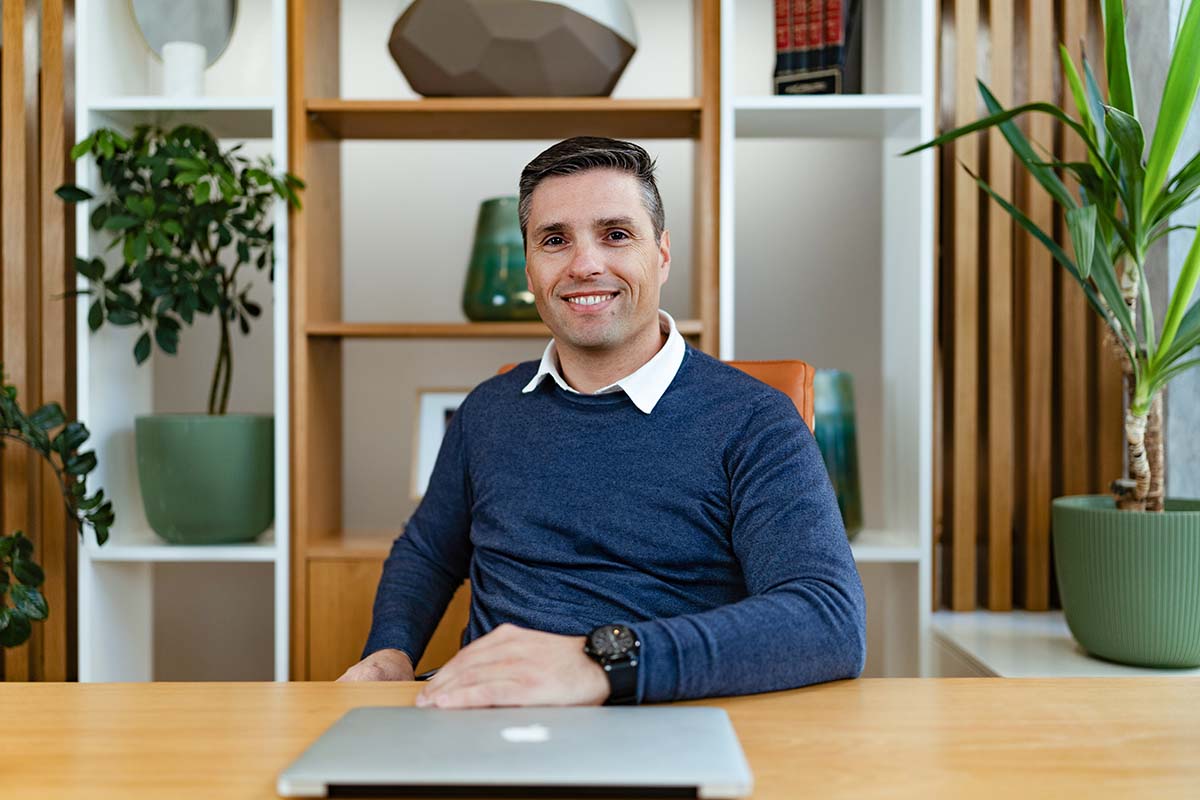
In this exclusive interview, we sit down with Kerrie Forster, the CEO of The Workboat Association, to explore his dynamic leadership journey and the strategic role he has within maritime. With over 20 years of maritime experience, Forster has navigated the complex landscape of the industry, rising from a part-time workboat crew member to the helm of The Workboat Association. Under his leadership, the association has seen significant growth and transformation, tripling its membership and expanding its influence and outreach.


Join us as Kerrie Forster shares insights into his leadership approach, the association’s mission to promote trade, skills, and safety standards, and the challenges and opportunities facing the workboat sector today. Discover how The Workboat Association is championing advancements in maritime safety, sustainability, and technological innovation, and learn about their vision for the future as they celebrate their 30th anniversary and prepare for the next phase of growth and development.


Click below to access the digital version

Professional Journey and Leadership: With a 20-year career in maritime, transitioning each-rung of the ladder from a part-time workboat crew member to CEO of The Workboat Association, how have your onshore and offshore experiences shaped your leadership approach?


Patience – quite simply. We all have different backgrounds, expectations, and thought processes. There is more than one way to skin a cat.


Having worked with many different nationalities in remote environments and thousands of miles away from home, you quickly learn that leading, working, managing, and behaving all require someone to remain adaptive, professional, thorough, but also amicable.


‘Collaboration without bigotry or prejudice’ is ultimately something that continues to go through my mind when making operational and leadership decisions. How can the decision I am making be influenced by any of the stakeholders around me? Are my eyes closed to something right under my nose? These are the questions I ask myself when considering the effects of my actions. ‘Can somebody that will be key to the success of my expectations either positively or negatively affect the outcome of the shared objective beyond my own experience or interest?


Maybe this means engaging early with front-line employees, pulling together key influencers and ‘best practice ambassadors’ for their opinions, re-assessing your internal skill sets, or when necessary, reaching out for help without feeling ashamed.


There are lots of people out there that do not willingly help others to succeed; maybe it is a fear of being overtaken, or simply that they struggle to have this connection with others. I found the right role models around me, with the right mentality and skill sets to show me everything they could. All I had to do was turn up, with a willingness to learn and an eagerness to do my best and achieve. The rest is simply a matter of time.


Workboat Association’s Mission: As CEO, how do you interpret The Workboat Association’s mission to promote trade, skills, and safety standards, and what are your top priorities for the association?


As a not-for-profit organisation run by constitution, our mission and objectives are clearly defined. However, turning these into ‘SMART’ based actions is the key. Transforming a broad objective such as ‘promoting skills’ into something specific takes some doing, but the key is focusing on the combination of such activities. Again, I return to asking myself the same questions: What are others doing? What has already been done? How do our needs differ from others? Where can we collaborate? Who can we learn from? Who are the role models?


I place myself in the shoes of different stakeholders: members, other key organisations, and non-members. I try to look at my thoughts through their eyes: How would I feel if I were them? How would I react? Would I want to engage? Would I share my opinion? Is there something for me?


Our priorities remain to support our members and their industry, to ensure that the workboat sector is thriving and well-regulated with suitable, but achievable rules and policy. We aim to ensure that the employees of the sector have good opportunities, a challenging but safe work environment, and sustainable operations achieved by the sharing of best practices and an emphasis on the evolution of technology, all pinned together with appropriate training, education, and certification.


We host regular workgroups and networking events, write guidance, exhibit at exhibitions and conferences, organise training and stakeholder sessions, support government and stakeholder organisations, and stand by to help any of our members with their business concerns. With over 200 member organisations, this keeps us all very busy!

Collaboration with Maritime UK: The Workboat Association’s membership with Maritime UK represents a significant step. Can you discuss the synergies between the two organisations and the benefits of this collaboration?


The Workboat Association joined Maritime UK in 2020, seeking to increase our political understanding and presence. Facing the uncertainties of Brexit negotiations, we played our role in shaping the future relationship between the UK and the EU. With the looming Brexit date and discussions of soft and hard Brexit, along with a rapidly decreasing timeframe and intense competition from other sectors, we knew we needed to be part of a larger coalition.


In 2020, as much of the world was in lockdown due to Covid-19, our seafarers continued to work at sea and in ports, part of a wide but often uncelebrated group of key workers. They ensured that the lights stayed on, supermarkets were stocked, cars had fuel, and hospitals had power and resources to operate.


Joining Maritime UK during this politically sensitive time was immensely beneficial for us. Maritime UK is an alliance of key UK maritime industry membership organisations. It serves as a focal point for government interaction and a conduit for excellent collaboration and networking.


Challenges in the Workboat Sector: What are the current challenges facing the workboat sector, and how is The Workboat Association addressing these challenges?


While I write this, the top four challenges for us are:


  1. Supporting UK business and trade in our sector following Brexit
  2. Developing and nurturing the small commercial vessel seafarer skills pool
  3. Steering industry to meet the global and national decarbonisation objectives
  4. Guiding and educating members and government on applicable policy and regulation


International readers may be surprised to see Brexit still at the top of the list, but it is the gift that keeps on giving… Five Prime Ministers later, countless Ministers, a huge number of civil service changes, and a continually changing rulebook—Brexit will remain one of our top challenges for a number of years to come.


Workboats (in majority) operate under domestic regulations, falling out of the convention vessel application due to their smaller size. Therefore, it is down to each country to decide what their applicable rules are in their waters and who they choose to let in and operate.


The UK’s departure from the EU, a significant workplace for many of our members, means that the expectations, intentions, and strategies of the EU/UK flag states have been given a good shake-up. The belt of “unity” has been unbuckled and expanded a few holes, giving more room for change, with each country’s Port State Administration and Immigration teams busy setting new policies to ensure that they put their own country’s workers and businesses first.


As a result, we see increased troubles for non-UK vessel owners and crew to work within the UK, and a forever-changing landscape for UK stakeholders to work in the EU, with each country setting different and evolving rules.

Advancements in Maritime Safety: Safety is paramount in the maritime industry. Could you highlight some key safety initiatives or advancements that The Workboat Association has championed or implemented recently?


Championing safety is a significant part of our work. In recent years, we have run annual safety campaigns on topics such as mental health, fatigue, recovery from water, access and egress, passage planning, PPE, dangerous goods, and emergency preparedness.


Sometimes we join forces with like-minded organisations, while other times we go alone, depending on the objectives set by our stakeholders and the target audience. We have previously collaborated with organisations such as The British TugOwners Association, IMCA, CHIRP, The Seafarers Charity, Port Skills & Safety, Marine Safety Forum, MAIB, and the MCA. Together, we have produced toolkits, poster campaigns, training sessions and webinars, guidance documents, flashcards, conference sessions, live drills, and much more. Many of the (downloadable) outputs of our safety campaigns are available free to both members and non-members via our website or through our stakeholders’ websites.


One of the most effective and long-lasting efforts we have been a part of regarding safety advancements is our committed and continued partnership with the UK’s flag state, the Maritime and Coastguard Agency (MCA). If there is any work being undertaken by the MCA related to small commercial vessels, we are always invited to take part, provide expertise or opinions, help draft documents, organise or co-host events, and be a part of training sessions, consultations, roll-outs, or campaigns. Additionally, we have a great relationship with many of the various departmental staff, which means we know exactly the right internal subject experts to liaise with or ask questions. This is something we are very appreciative of.


Sustainability and Environmental Initiatives: Sustainability is a growing focus within the maritime sector. How is The Workboat Association contributing to the industry’s move towards more sustainable practices?


I would say our role is as ‘Enablers’. We work with both industry and government to enable sustainable practices, technological evolution, and the necessary sharing, education, and networking to make it happen on time and effectively.


We host regular sustainability and decarbonisation events, support a wide number of applications and Joint Industry Projects (JIPs) for financial grants and exposure, and steer regulators to ensure the correct policies are in place to enable new technology to safely and successfully enter use.


Through partnerships and collaboration with various industry and government-backed research and funding offices, innovation centres, and task forces, we take a proactive approach to helping the whole industry meet global and national environmental objectives. I think we are very fortunate in maritime, especially within Europe, that the majority of us share the same enthusiasm for making a positive difference. Aiming high and committing to new investments is always made a lot easier when you are not doing it alone.

Impact of Technology: Technology is rapidly evolving in every industry, including maritime. What technological advancements do you see as most impactful for workboats, and how is the association facilitating technological adaptation among its members?


One of the biggest technological advancements in our sector within the last decade has been data digitalisation. Intelligent data recording and processing have significantly transformed maritime operations. It’s not just about artificial intelligence initially but the digital developments that have been changing and integrating into our world over the past 10 years. The ability to capture data and then turn it into something we can actually see and use has been revolutionary.


Data is being used in more clever ways across all maritime sectors, whether it manifests or stores records, deck logs, hours of work, planned maintenance systems, chart systems, NMEA data processing, safety management systems, communications, mechanical system displays, and reports. We now use advanced data processing and display systems to gauge wave heights before they even hit the ship, show how changes in certain mechanical conditions affect vessel performance live, provide more accurate weather and route forecasting, enable quicker and more effective incident reporting and mitigation, facilitate remote fault finding, monitor seafarer fatigue or activity patterns, guide training needs, improve and allow focused offshore communications, enhance stability analyses, and innovate mechanical deterioration and fuel usage tracking, whole body vibration, air quality monitoring, and much more.


Digital data advancements are one of the most powerful changes in the current maritime industry. When I started working commercially offshore in 2008, one of my duties was to take the vessel’s logbooks, tear out all the carbon copies of each log entry, and post them back to head office at the end of every month. Apart from a lucky or very broken phone call once or twice a week from the vessel’s superintendent, this was about the limit of the vessel’s connection with management. Ten years later, I was managing a globally operating fleet of vessels and staff, and I could hear colleagues getting upset that WhatsApp messages hadn’t been answered, even though they could see the messages had been read!


The evolution in data processing has been remarkable. Purchasers now can pick up their phone from bed, access all their emails, photos, and documents from their smartphone, go onto a webshop, order the parts directly, and inform the crew the part is on its way with an accurate delivery time without even having eaten their morning toast. The incredible data being collected and processed means that the next time the part needs ordering, a Planned Maintenance System will most likely pre-empt the item’s requirement and order itself, requiring somebody to just agree to the purchase and enter a delivery address.


The Workboat Association facilitates technological adaptation among its members by hosting regular events, workshops, and training sessions focused on the latest technological advancements. We also provide resources and support to help our members integrate these technologies into their operations, ensuring they stay competitive and efficient in a rapidly evolving industry.


Skills Development and Education: Given your role in nurturing a safety culture and responsible work ethics, what initiatives or programs does The Workboat Association offer for skills development and continuing education within the industry?


We are active members of the Maritime Skills Alliance and Maritime UK skills programs, and I am personally a registered Director of both organisations. I was recently also part of the UK Government’s UK Shipbuilding Skills Taskforce.


Skills, education, and the employment pool are significant and continuing challenges for all businesses – it is a never-ending, looping cycle, where all parts of the system are active at the same time!


For every worker at the end of their career, there is somebody at the beginning, somebody in the middle, somebody not reaching their potential, and somebody going unrecognised.


It is a matter of continuous resource, enthusiasm, and planning. It is never easy, and if it is, it is probably because something is being overlooked.


There are four quotes I like to remember on this subject:


  1. Lord Nelson: “We cannot control the weather, but we can prepare for it.”
  2. Anon: “What happens if you train your employees and they leave? What happens if you do not train your employees and they stay?”
  3. Richard Branson: “Train people well enough so they can leave, treat them well enough so they don’t want to.”
  4. Robert Burns: “The best laid schemes of mice and men go oft’[en] awry.”


There is always a chance, even in the simplest recruitment scenarios, to the most complex but most professional, that something will change and serious action needs to be taken. What happens if a pivotal employee suddenly goes off sick (or worse)? What happens if they suddenly, out of the blue, say they are leaving? What happens if that vital contract holding your company together suddenly goes ‘pop’? These are all big challenges for recruitment and skills, but with a good plan that encompasses all four of the quotes above, you are sure to be on the front foot.


Nobody is indispensable, but sometimes they are pretty significant!

International Collaboration and Standards: How does The Workboat Association engage with international counterparts to harmonise standards and best practices across the global workboat industry?


It normally starts with a telephone call or an email, and in a lot of situations it is reactive, directly requiring an answer or some work for a situation already in hand: “Good morning, I am one of your members and I need some advice…” or “Hello, you are talking with _____ from _____ flag state, I am on board a workboat and….”.


Quite often it is either a translation or interpretation issue or a difference in expectations. Maybe someone used to inspect larger convention vessels is used to a certain type of certificate that workboats do not carry or maybe a rule which small vessels are not required to implement. The crew and/or operator are trying to convince the surveyor that everything is ok, but the surveyor wants some kind of additional evidence etc. We step in as a third party to help the vessel crew/operator understand what the Surveyor is looking for (it can often be something completely unheard of before to many), or we are networking different government representatives together to get the information clarified directly.


Of course we would rather work proactively, spotting opportunities for confusion or gaps in policy/regulation and fixing them before an issue evolves, but it is not always possible. We take part in, and help secretariat many consultations and workshops – all with an eye to steer, rather than upset. Naturally we do our fair share of lobbying, but efforts and resources are normally best used if we can be a part of a process early on. I would much prefer to ease things into a better starting place, rather than having to get political or opposing once bills have already been passed. It isn’t nice for industry, and it isn’t nice for the regulator (who more often than not are doing things with the best intentions in mind).


Vision for the Future: Looking ahead, what is your vision for the future of The Workboat Association, and how do you plan to navigate the evolving landscape of the maritime industry?


2024 marks the 30th anniversary of The Workboat Association, and the General Committee is diligently developing a five-year plan to guide us from 2025 to 2030. This is my sixth year as CEO, and before that, I volunteered with the organisation as a Workgroup Chairman and General Committee member since 2014. Over the past decade, I have witnessed significant changes within The Workboat Association, both in terms of membership and activity. In 2014, our membership consisted of roughly 60 companies; today, we have just over 200. Previously, we employed my predecessor for ‘up to’ two days a week, and he worked alone, supported by an ad-hoc treasurer who contributed as needed. Today, we have a team of five working diligently behind the scenes to deliver on our members’ interests and objectives.


While our new strategy is still in the brainstorming phase—comprising pages of scribbles, doodles, brainstorming notes, and wish lists collected from members and stakeholders—it is now being translated into a strategic plan. This plan will be discussed by our General Committee at our next meeting. The work will continue throughout the year, with the intention of delivering a proposal at our AGM in late November 2024.


Until then, we have much to celebrate from our past 30 years. We are holding a celebration event, featuring a luxury river cruise on the Thames in September, for members and guests. This is a perfect opportunity to thank everyone who has helped us reach where we are today and those who continue to support our work. Ultimately, it is a chance to bring the membership together for a memorable event and remind them that ‘together, we achieve great things.’

Shark Seating

Innovating Safety: Exploring Shark Seating’s Maritime Solutions

In this exclusive interview, we delve into the world of maritime safety with Shark Seating, a pioneering company revolutionising marine seating solutions. Led by a commitment to ergonomic design and sustainability, Shark Seating has carved a niche in the industry with its innovative approach to marine seating. From high-speed naval craft to tour boats, Shark Seating’s products are designed to enhance safety, comfort, and performance for both operators and passengers alike.


Join us as we explore the strategic vision, sustainability initiatives, and future outlook of Shark Seating with Owner, Paul Zwaan, shedding light on how the company continues to make waves in the maritime sector.


Click below to access the digital brochure version

Company Genesis and Mission: Shark Seating began with a focus on ergonomic design in the marine seating industry. Can you share the story behind the inception of Shark Seating and your mission in transforming the industry?


The formation of Shark Seating happened at a time when the NZ Navy faced delays and rising costs from inflexible suppliers dominating a small market. There was a need for agile and cooperative suppliers offering lighter, more adaptable products and services. This challenge appealed to me, having handled over 500 freelance projects with a focus on finding the most elegant solutions and implementing them with the most appropriate and scalable technology.

Design Philosophy: Your design consultancy started in 1996, leading to Shark Seating’s establishment. How has your background in ergonomic design influenced the development of Shark Seating’s products?


The core principles guiding our work are simplicity, modularity, and versatility. These principles enable us to tackle any ergonomic challenge. It’s a process where all the hard work rests on the designer rather than the user. We work tirelessly to ensure that our solutions are ever more simple, self-adjusting, and intuitive.


Achieving simplicity is like seeking the Holy Grail. Once found, everyone can recognise it but uncovering simplicity is a relentless process of ideation, screening, and refinement. In the words of Michelangelo, ‘The sculpture is already complete within the marble block, before I start my work. It is already there, I just have to chisel away the superfluous material.

Impact on High-Speed Naval Craft: Shark Seating has been recognised for its suspension seating solutions in high-speed naval boats. How do Shark Seating products enhance the safety and performance of these vessels?


Shark Seating’s suspension seating solutions have garnered recognition for their impact on high-speed naval boats. These products play a pivotal role in enhancing both the safety and performance of such vessels.


In the realm of high-speed craft, the ultimate goal is to achieve maximum performance with minimal inputs. This entails prioritising safety, comfort, and durability while minimising weight, complexity, and cost. At Shark Seating, we achieve this balance through our three design pillars.


Simplicity lies at the core of our approach, ensuring that each component is streamlined to its essential functionality without any unnecessary elements. Modularity further reinforces this principle by ensuring perfect compatibility among components, thereby maximising safety and comfort for occupants. Additionally, our products offer versatility, allowing various modules to be seamlessly combined to meet diverse ergonomic requirements.


Each of our modules is assigned a NATO stock code, enabling navies to configure suspension seats tailored to their specific needs. This bespoke approach not only ensures unprecedented impact protection but also enhances weight efficiency, crucial factors in the demanding environment of high-speed naval operations.

America’s Cup Contribution: Shark Seating’s involvement in the 36th America’s Cup significantly boosted the brand’s visibility. How did this event impact Shark Seating’s business, and what was it like seeing your products on all the chase boats?


Shark Seating’s participation in the 36th America’s Cup marked a significant milestone in enhancing the brand’s visibility and impact on the maritime industry. Reflecting on this event sheds light on its profound implications for our business and the exhilaration of witnessing our products on every chase boat. https://youtu.be/-94T9u5-UHU


Having followed the America’s Cup fervently since its arrival in our neighbourhood in 1987, I never imagined, thirty years later, that our seats would grace the decks of every chase boat and media vessel at the America’s Cup and SailGP events. It was a moment of pride to see our seats accommodating royalty, sailing legends, VIPs, and support crews—a total of 140 seats, a remarkable feat at the time, though now surpassed by our expanding customer base.


An unexpected benefit emerged five years later, during the 2021 America’s Cup in New Zealand, providing an opportunity to assess the wear and tear on 100 seats. Additionally, during the event’s visit to Christchurch in 2023, we conducted the 5-year service on 40 SailGP seats, leading to an extension of our product warranty to three years.


Furthermore, the legacy of our involvement extended beyond the event itself, with a majority of New Zealand Coastguard boats now equipped with Shark Suspension Seats, having adopted 26 retired America’s Cup RHIBs. This integration underscores the enduring impact of our participation in the America’s Cup, solidifying our commitment to innovation and safety in maritime seating solutions.

International Expansion: Following Shark Seating’s expansion into Europe and increased sales, what strategies have you employed to maintain and grow your international client base?


At Shark Seating, our passion is deeply rooted in our mission: to significantly reduce the number of people affected by spinal injuries on boats. Central to our success is a customer-centric approach that drives our strategies for maintaining and expanding our international client base.


We recognise that our mission remains critical as long as there are customers who lack adequate protection from wave impacts. This drives our continuous efforts to innovate and improve our products, ensuring they remain accessible to all who need them.


Additionally, we are committed to tripling our investment in the 5 P’s (Product, Price, Place, Promotion, and People) every three years. This bold strategy has yielded remarkable results, with sales increasing thirty-fold over the past decade.


Looking ahead, we have a robust plan in place to achieve another thirty-fold increase in sales over the next ten years. Our aim is to make suspension seating a standard in the maritime industry, bringing safety and comfort to the forefront. We invite you to stay tuned as we continue to push the boundaries of innovation and accessibility in maritime seating solutions.

Innovations in Seating Design: Shark Seating is known for its innovative approach to marine seating. Can you discuss a recent product innovation that you’re particularly proud of?


Shark Seating’s commitment to innovation in marine seating design is exemplified by our recent breakthrough in addressing the pressing issue of back injuries among tourboat passengers. Six years ago, reports surfaced of tour boat operators facing severe financial repercussions, including bankruptcy, due to the denial of public liability insurance claims stemming from passenger back injuries. This alarming trend prompted us to develop a solution that would benefit both passengers and operators alike.


To meet this challenge, we set out to create a suspension seating system that was compact, lightweight, and cost-effective enough to be installed in large numbers on tourboats. The result of our endeavor was the development of the ULTRA-lite and EVO suspension seats, crafted using injection-molded technology. Weighing in at a mere 7kg each and priced comparably to standard unsuspended jockey seating, these seats offer unparalleled comfort and safety for passengers without imposing significant financial strain on operators.


Our innovation has not only revolutionised the tourboat industry but has also paved the way for enhanced safety standards across marine transportation sectors. For a detailed account of this groundbreaking development, we invite you to explore the full story in our article: Link to the article.

Sustainability Initiatives: Sustainability and environmental responsibility are key concerns for many businesses today. What steps is Shark Seating taking to reduce its environmental impact?


At Shark Seating, we recognise the importance of sustainability and environmental responsibility in today’s business landscape. To reduce our environmental impact, we have implemented several initiatives, with a focus on innovative materials and carbon sequestration.


One notable achievement is the development of our FLEXANITE material, which is used in all our suspension seats. FLEXANITE is composed of 100% bio-plastic, designed to consume its own weight in carbon dioxide. This not only reduces our reliance on traditional plastics but also contributes to carbon sequestration, even if the material ends up in a landfill. Furthermore, FLEXANITE is recyclable, ensuring a circular lifecycle for our products.


To learn more about our sustainability initiatives and how we’re harnessing carbon from the atmosphere to mitigate environmental impact, we invite you to visit our website: Link to the article.

Challenges and Achievements: Every business faces its set of challenges, especially when it comes to innovation. Can you share a significant challenge Shark Seating overcame and what it taught you?


Every business encounters its share of challenges, particularly in the realm of innovation. One significant challenge Shark Seating faced underscored the importance of rigorous testing and adaptability.


As Albert Einstein aptly stated, ‘If you’ve never failed, you’ve never tried anything new.’ A decade ago, we embarked on the ambitious endeavor of crafting all our suspensions from plastic, fully aware of the immense forces they would endure—nearly 1 tonne. Despite subjecting prototypes to rigorous lab testing, simulating up to 1 million full impacts, we recognised that real-world conditions would provide the ultimate test, especially in defense and rescue boats.


The reality soon set in as we encountered variations in plastic batches, highlighting the need for meticulous quality control measures. Embracing Shane Parrish’s wisdom that ‘it’s not the failures that define us so much as how we respond,’ we made a pivotal decision to implement 100% testing of all production parts six years ago.


This decision was not without its challenges, as we faced the necessity of recalling a batch at considerable expense, requiring personnel to travel to Iceland on two occasions.


However, this proactive approach proved instrumental in averting potential safety hazards. Despite thousands of our seats being subjected to harrowing conditions—such as boats free-falling up to 6 meters in rough seas—our commitment to quality assurance has yielded an impeccable safety record: zero injuries in ten years.


This experience has taught us the importance of resilience, adaptability, and unwavering dedication to safety and quality. It serves as a testament to our ongoing commitment to innovation and excellence in maritime seating solutions.

Customer-Centric Approach: Shark Seating emphasises a strong connection with its customers. How do you ensure that your customer service stands out in the industry?


At Shark Seating, we recognise the dual layers of customers inherent in our mission to safeguard backs across the maritime industry. Our customer-centric approach extends beyond boat owners and operators to encompass boat builders, forging symbiotic relationships that drive mutual success.


We pride ourselves on fostering exceptionally strong connections with boat builders who integrate our seats into their vessels. This partnership is founded on a shared commitment to excellence, where we enhance their offerings with cutting-edge technology, and in turn, they amplify our brand recognition.


In our experience, boat builders fall into two categories: those who prioritise offering the best and safest technology to their customers and those who only consider safety options upon request. Fortunately, within the realm of professional boats—such as government tenders, sea rescue, and defense—the specification mandates the inclusion of suspension seats. Leveraging the weight and cost advantages of Shark Suspension Seats, we’ve observed that whenever boat builders opt for our seats in tenders, the resulting vessels not only meet safety standards but also benefit from enhanced range, capacity, and performance, to the delight of end users.

To reflect our unwavering dedication to achieving tangible outcomes for both boat providers and end users, we’ve rebranded our customer service as ‘customer success.’ This shift underscores our commitment to delivering results and ensuring the success of our customers at every stage of their journey

Future Outlook: Looking ahead, what new markets or innovations is Shark Seating exploring to continue its growth and influence in the marine industry?


While we have ambitious plans for the future, we recognise the importance of strategic discretion. Rest assured, Shark Seating remains dedicated to our core principles of affordable performance, usability, lightness, simplicity, and customer success. These values will continue to drive our growth and influence in the marine industry, enabling us to achieve our goal of a thirty-fold expansion every decade.


As Forrest Gump famously said, ‘and that’s all I have to say about that.’ Rest assured, our commitment to innovation and excellence remains steadfast, propelling Shark Seating into exciting new markets and pioneering groundbreaking innovations. We invite you to stay tuned as we embark on the next phase of our journey


In Association with:

Springfield Group is a leading manufacturer of marine seating, pedestals, and mounting systems. They provide a wide range of products, including removable and fixed pedestals, mounting systems, tables, and accessories, catering to the needs of boat builders and marine enthusiasts. Springfield Group is committed to quality and innovation, ensuring durable and comfortable solutions for marine environments. They also offer extensive support and resources for their products, enhancing customer experience.

http://www.springfieldgrp.com/

DM8 Composites specialises in the construction and repair of fiber-reinforced plastic (FRP) boats, including pleasure yachts, passenger ferries, and patrol boats. Located in Danao City, Cebu, their modern boatyard aims to lead in FRP vacuum-bag construction, adhering to international standards. Established in 2018, DM8 Composites focuses on innovation, quality, and advanced engineering to deliver world-class vessels and services in new builds, repairs, and refits.

https://www.dm8composites.ph/

Hypro Marine, since 1976, designs and manufactures high-quality power-assisted steering systems for luxury motor yachts and commercial vessels. They provide bespoke hydraulic control solutions and distribute top marine products like Zipwake and Lectrotab. Known for innovation and reliability, Hypro Marine also offers extensive technical support and is ISO9001 accredited, ensuring superior performance and service.

https://hypromarine.com


Bodensee-Schiffsbetriebe GmbH

Charting a Greener Course: Christoph Witte’s Vision for Bodensee-Schiffsbetriebe

We engage in an insightful conversation with Christoph Witte, Managing Director of Bodensee-Schiffsbetriebe GmbH, as he shares his innovative approach to transforming ferry operations on Lake Constance. With a strong commitment to environmental stewardship, Christoph discusses the strategic decision-making behind adopting fully electric ferries, the challenges of implementing sustainable energy solutions, and the vision for decarbonising the entire fleet. Discover how Bodensee-Schiffsbetriebe is setting a pioneering example in the decarbonisation of German inland navigation, aligning with the broader goals of sustainability and technological advancement.


Click below to access the digital brochure version

Strategic Innovation: Could you explain the decision-making process behind choosing fully electric ferries for short routes, such as the MS ‘Insel Mainau’ operation?


Almost exactly five years ago, the city of Konstanz declared a climate emergency and subsequently decided to become carbon neutral by 2035. As a municipal company, we were naturally among the first to be called upon to implement this initiative, and we were happy to do so.


The first Corona season gave us a lot of time to think about fleet development. Normally, we replace old vessels with new ones of a similar size. However, it was clear at the time that there were no alternative propulsion solutions, especially for the large vessels, that we could invest in sustainably. To avoid losing more time on the path to decarbonisation, we considered where we could use a fully electric ship sustainably, also from an investment point of view. The result is the design of the MS INSEL MAINAU, which sails between Uhldingen, the island of Mainau, and the town of Meersburg.


However, we have never lost sight of the bigger picture – the decarbonisation of the entire fleet – and have continued to refine our concepts in parallel.


True to our motto: Think big, start somewhere!


Operational Efficiency: How does the operational profile of 15-minute crossings with quick turnaround times enhance the efficiency and attractiveness of your ferry services?


First and foremost, electric drives are significantly more effective, with much lower losses, than combustion engines. The efficiency of a modern all-electric drive system is around three times higher than that of a conventional diesel drive. Additionally, we had the ship’s lines optimised for our application using computational fluid design (CFD) to reduce the ship’s resistance and required propulsion power. The MS INSEL MAINAU can transport up to 300 passengers with just 2x60kW drive power.


As the distance to be travelled is relatively short, we decided to travel more slowly than before. The cruising speed has been reduced from 23 km/h to 15 km/h. This was another major gain in efficiency. Our passengers now have a wonderful little cruise: gliding across Lake Constance in complete peace and quiet, without any emissions. The new passenger compartments are designed to enhance this experience.


Charging Infrastructure: What were the key factors in setting up the 3MW transformer stations and quick-charging batteries for the e-LODI ferries?


The good results with the MS INSEL MAINAU, and further developments in battery technologies, motivated us to consider the electrification of other lines. The ferry operated by Stadtwerke Konstanz GmbH has a 15-minute crossing time, with an equivalent time for charging. Meanwhile, the fast-charging capability has developed to a point where it is possible to recharge the energy required for the crossing during cargo handling. Together with the required drive power, this necessitates a charging station capable of providing 3MW.

Sustainable Energy Solutions: Can you discuss the integration of the E-TABOR for Stadtwerke Konstanz GmbH system with solar power installations at gateways to Constance and how this contributes to the ferries’ energy needs?


The project would become really attractive if we were to cover the entire forecourt, which is already sealed with asphalt, with solar cells. These areas are so large that at peak times, i.e., under optimal conditions, they would cover the energy requirements of the ferries to be loaded. Even in less ideal conditions, a considerable proportion of the energy could still be generated on-site. It would also serve as a great new landmark for the city of Constance, which was the first to declare a climate emergency: The city’s gateway as a kind of solar tunnel via which I can enter the city by ferry.


We expect to produce 20-30% of the energy we need ourselves. We would still need to draw most of our energy from the grid. But since the entire country wants to become climate-neutral, energy production will also have to move towards renewable alternatives. Within our sphere of influence, we have done everything we can to turn the ferries climate-neutral.


Environmental Impact: What impact do you foresee the solar power installations and the battery system having on Bodensee-Schiffsbetriebe’s carbon footprint?


For Bodensee-Schiffsbetriebe (BSB), self-produced solar power holds secondary importance. BSB mainly operates on long routes with long harbour times and large ships. Additionally, we have a significant number of traditional ships that need to be preserved, as it is precisely because of them that guests come to the beautiful Lake Constance. The energy density of batteries is not sufficient in this context, and we have been investigating solutions involving hydrogen or methanol, which is a hydrogen carrier, for some time. Methanol, in particular, seems very interesting to us, and initial conversion concepts have already been developed. We are, of course, talking about green methanol here.


System Architecture Challenges: What are the biggest technical or logistical challenges you’ve faced while implementing the SYSTEM ARCHITECTURE E-TABOR for your ferries?


The biggest challenge has been and continues to be the charging infrastructure. We have to transfer 3MW of power in a short time, which cannot be done with a simple plug system. Therefore, we need to develop a special and certifiable solution for this. While the on-board systems are demanding, there are now standards that we can build on, making it somewhat easier to manage these complexities.

Policy and Economic Support: How critical is economic and political support for transforming Lake Constance into a model region for climate-neutral shipping?


This support is extremely important for us; we need it, it’s as simple as that. No shipping company is in a position to bear these high costs itself. Incentives in the form of support programs must be created. Currently, the funding rate for ship conversions is too low. For the MS INSEL MAINAU, it was just 9% of the total costs, for which we are really grateful, but that will not be enough for the larger projects. The funding rate for electric buses in Germany was once 80%, and the CO2 savings here are significantly lower. If we were to start talking about the costs of decarbonisation, i.e., where to get the CO2 reduced with as little money as possible, then we would very quickly end up with shipping and invest in a greener future here.


Long-Distance Decarbonisation: Could you elaborate on the methanol concept for decarbonising the entire BSB fleet and the timeline for its implementation?


Yes, methanol is the concept for our large vessels, while the smaller ones will be supplemented with fully electric ships. The goal is to decarbonise the entire fleet by 2035.

Vision for Future: What are your long-term goals for BSB in terms of technological advancements and fleet expansion?


We are not currently thinking about expanding the fleet, but are focused on how we can decarbonise the existing fleet and use it more effectively. We are always keeping our eyes open for new technological developments that we could leverage. However, we believe that development will move strongly in the direction of methanol drives, as major global players are already relying on this technology. What is primarily still missing is the necessary infrastructure.


Leadership Philosophy: What drives your passion for leading environmentally friendly transport solutions at Bodensee-Schiffsbetriebe GmbH?


Bodensee-Schiffsbetriebe GmbH operates shipping in Germany’s largest drinking water reservoir. Large parts of the shore regions are under nature conservation protection. BSB has voluntarily subjected itself to environmental certification for years, and the regulations for shipping have been leading in Germany for many years in terms of environmental protection. We have long been committed to these values, having put the first EUV-certified ship in Germany into operation on Lake Constance, and built a gas ferry that can be operated with BioLNG. Now, we want to play a pioneering role in the decarbonisation of German inland navigation. What could be better suited for this than the Lake Constance region? We want to be a role model and motivator for other shipping companies.

In Association with:

TECHNOLOG provides specialised maritime consultancy and engineering services, focusing on innovative ship design, marine consulting, and advanced maritime technology. Their expertise covers concept development, project implementation, conversion, and retrofitting of ships, ensuring high efficiency and compliance with industry standards. With over 30 years of experience, TECHNOLOG supports global clients with customized solutions for various maritime needs, from new builds to modifications.

https://www.technolog.biz/

Oceanco

Pioneering Sustainable Yachting: Insights from Arie Van Andel, CTO of Oceanco

Join us for an exclusive interview with Arie Van Andel, Chief Technology Officer at Oceanco, as he delves into the innovative strides the company is making in the realm of yacht design and technology. With a commitment to sustainability and cutting-edge advancements, Oceanco is at the forefront of creating eco-friendly and advanced superyachts. In this conversation, Arie shares his vision for the future, the integration of emerging technologies, and how Oceanco is navigating the challenges and opportunities within the maritime industry. Discover how Oceanco is shaping the future of yachting with groundbreaking designs and a steadfast commitment to sustainability.


Click below to access the digital version

Role and Vision: As the CTO of Oceanco, could you share how your role shapes the company’s vision and technological advancements in yacht design?


I don’t believe one person shapes the company’s vision and technological advancements, per se; but rather this stems from the company’s DNA, which we have articulated in our vision and mission statement. Our company’s vision is “to be the most exclusive builder of the world’s coolest yachts,” and our mission is “to create, deliver, and support innovative and uniquely designed, high-quality large yachts that are perfect for their visionary owners”.
Owners usually have a vision or dream of how they want their yacht to look and the experience they want it to deliver. It is up to us to interpret their wishes and to realise them in the physical form of a yacht that, once delivered, surpasses all expectations. This can only be achieved when our approach to design and technical systems – a core part of our DNA – is fundamentally innovative.


Since the earliest days of Oceanco, we have been privileged to collaborate with nonconformist owners and equally ambitious partners to push boundaries with our yachts. This has resulted in arguably the most impressive portfolio of innovation in the yachting industry. Projects like Black Pearl are a typical example where an owner’s distinct vision, Oceanco’s innovative essence, and the strong partnership with our Co-maker network converged with spectacularly innovative results. These achievements show the power of partnership, and we are thankful for everyone who has joined us on this journey.


Technology Integration: What are the latest technological innovations Oceanco has integrated into its yacht designs and how have they enhanced performance and luxury?


AI and machine learning are starting to play a beneficial role in how we engineer, build, and operate yachts. Interestingly, we are making the first steps towards predictive maintenance of yachts, which should allow us to reduce downtime—a significant benefit for owners and crew.


This new technological capability brings the potential to evaluate vast amounts of information more quickly, meaning we can gain better insight into the carbon footprint of our yachts throughout the building process and eventual lifecycle. With this data in place, we can narrow the gap between where we are today and where we want to be in a more efficient reality—bringing us ever closer to conscious construction.


We have been executing this on a current project, and the client has been extremely pleased to gain such a deep understanding of his yacht’s impact across both the build and subsequent life cycle.

Sustainability Focus: Oceanco has a commitment to sustainability. Can you discuss the technologies and practices you’ve implemented to make yachting more eco-friendly?


Sustainability in yachting has been a major focus for Oceanco for around a decade now; I would argue long before it entered the mainstream for our industry. We have advanced so much in the last decade that what was once considered more ‘out there’ is now the norm, and we are looking to even more exciting ways to futureproof our yachts for the duration of their lifecycle.


The introduction of hybrid propulsion systems has been the biggest game-changer. The addition of batteries to our superyachts’ technical systems allows for peak shaving, enabling more efficient energy usage. Electromotors have reduced unpleasant noise and vibration onboard, which is a high priority for most owners.


Here is a brief summary of some major projects we have delivered or developed over the last decade, relating specifically to sustainability in yachting:


BLACK PEARL


Our first flagship ‘sustainable’ project was the 106m sailing yacht Black Pearl, whose visionary owner wanted to build the most eco-conscious yacht possible. Probably her most interesting innovation is the ability to regenerate power through her sails. Her hybrid propulsion installation has two shaft lines, each with a controllable pitch propeller. In normal sailing mode, the propellers are set to minimise drag and prevent the shafts from turning. But to harvest some of that kinetic energy to be stored and used onboard, the pitch of the propellers is altered to create a lifting force as the water passes over them. This rotates the shafts, which are connected to a permanent magnet electric propulsion motor, effectively converting the wind energy that is moving Black Pearl through the water into electrical energy.


With the system reaching its full potential, Black Pearl is able to achieve a zero-emission transatlantic crossing where both propulsion and hotel services are powered by the wind alone. We are able to turn back the clock to a time when oceanic travel was emission-free, except now with all the comfort and luxury provided onboard a modern yacht.


LIFE DESIGN


Then came our LIFE Design approach – standing for Lengthened, Innovative layout, Fuel efficient, and Eco-conscious – successfully tackled with engineering partner Lateral. It was first used on the 109m (357ft) Bravo Eugenia, which we delivered in 2018. The team focused on hydrodynamics: The resistance performance of a yacht is significantly influenced by its length at the waterline and its weight. In naval architecture, we call this the ‘length displacement ratio.’ If you have two vessels of the same weight, the longer one will have a reduced overall demand for propulsion power, and consequently a reduced size of engine and related equipment is needed. It is a simple principle, but it is the fundamental foundation of LIFE Design. And in adopting a refined version of the hybrid propulsion system used for Black Pearl on Bravo Eugenia, even greater power advantages were conveyed to her over a conventional diesel-only system.


Thanks to LIFE Design, Bravo Eugenia’s technical space was reduced while the guest space was boosted to over 100sqm at the desirable waterline level. She exhibits best-in-class hydrodynamic efficiency and 30% less fuel usage compared to a conventional motoryacht of the same size. She also features a waste heat recovery system and integrated battery system to allow for optimal operation at all times.


Even though she can achieve speeds of up to 19 knots, Bravo Eugenia offers a relaxing setting for those onboard, thanks to reduced noise and vibration from the smaller propulsion-related equipment; and when entering ports, she goes into ‘whisper mode’ for ultimate guest comfort.


ENERGY TRANSITION PLATFORM


Of course, in yachting today, you can’t avoid the focus on the energy transition that’s happening – aka the move away from fossil fuels towards more eco-conscious alternatives. Future-proofing a yacht is the process of designing it to navigate this transition by anticipating the future to enable informed choices of layout, configuration, technology, and specification that will avoid obsolescence within the intended lifespan of the yacht.


Recently, we worked with long-term partners Lateral as well as MTU and ABB to develop a future-proofed system called the Energy Transition Platform (ETP), to ensure multiple technical pathways can be pursued as technologies mature during the energy transition timeline.


The ETP made its debut on Aeolus, a 131m Oceanco Tomorrow’s Design. Through its multi-stage adaptable approach, we have effectively future-proofed a path to zero emissions to minimise risk to our clients while also safeguarding the environment as best we can with the technology that will emerge as time goes on.


Since the ETP’s initial launch, the system has been adjusted and approved in principle by the ABS classification society for yachts with an LOA from 70m. This makes the ETP accessible for yachts of a considerably lower volume than other available methanol concepts and projects, allowing it to be adopted by a wide portion of the market, including Oceanco’s full range of offerings.


EFFICIENCY


And beyond looking to transition to these more sustainable kinds of fuels, efficiency has a vital part to play in reducing the industry’s impact, too. It’s something we’ve been considering at Oceanco for many years now. It doesn’t just mean the efficiency of the propulsion and naval architecture – it’s also the hotel load of our yachts, aka the power used by all the other systems onboard.


Efficiency is not just about reducing consumption but also minimising waste, like waste heat recovery, for example. This feeds back to my comment about AI and machine learning giving us a vastly increased capacity to analyse and improve what we are implementing on our yachts in a faster and more efficient way.


Challenges in Innovation: What are the biggest challenges you face when integrating new technologies into custom yacht builds, and how do you overcome them?


None of us can solve today’s challenges – such as sustainability and circularity – on our own. We need to collaborate within our networks and across industries, sharing knowledge to reduce risk and avoid reinventing the wheel.


At Oceanco, we have a vision for creating a more sustainable future through various designs and concepts that have already been revealed; but there remain some challenges in technology readiness, maturity, and the scale of commercial availability required for integration into a project. To overcome this, we have worked with partners to create the Energy Transition Platform (ETP), as outlined above, where we equip today’s yachts with matured, advanced, and readily available technology while allowing for future upgrades when new technology has matured.


In addition, whereas in the past, innovation was often made possible by improving one technical area at a time, today we can make even more impactful advances through integrated technological systems that draw from all kinds of disciplines. As a yacht builder, this makes it even more important for us to have a clear vision for innovation and to manage the process well.

Collaborations: Could you highlight any significant partnerships with tech firms or designers that have influenced Oceanco’s technological advancements?


Collaboration and partnership have always been major drivers of our innovation at Oceanco. The achievements of Black Pearl and Bravo Eugenia would never have been possible without our close work with partners such as naval architects, electrical integrators, and key equipment suppliers to develop integrated solutions. Through the development of the Energy Transition Platform (ETP), we were able to go one step further by bringing together disciplines that don’t usually meet on a project, let alone share knowledge and ideas.


Client Customisation Process: How does technology enable Oceanco to meet the unique demands and visions of your clients during the customisation process?


Undoubtedly, our clients continue to challenge us in areas that are simply not possible with current applications of technology, which drives us toward innovation.


New technologies are allowing us to better visualise what the owner’s yacht will be like, which certainly helps in achieving their goals and visions.

Future Technology Trends: Which emerging technology trends do you believe will significantly impact the super yacht industry in the next decade?


With pressure from all directions to switch to a more sustainable way of operating yachts, the energy transition will undoubtedly have a major impact. We are only just beginning to see the benefits that AI might have on how we build and operate our yachts, as referred to above. It’s a dynamic and exciting time to be involved in the technological side of yachting, for sure.


Career Insights: With your extensive experience in the industry, what advice would you give to young engineers aspiring to work in yacht design and technology?


Since the onset of the industrial revolution, there has never been a period of time where the contribution of engineers has been so needed – in resolving global community challenges and contributing to corporate responsibility. Now comes the ultimate moment for engineers to stand up and develop the solutions that are vital for our future. Our world, our very existence, lies in the hands of our engineers. This is even more true for yachting, which should be pioneering the change to more sustainable and circular solutions.

Impact of Digital Tools: How have digital tools and simulations changed the way Oceanco designs and tests new yacht concepts?


Our newly developed tool for carbon footprint analysis of our yachts is a prime example, helping us assess both the build process and the life cycles after delivery.


Furthermore, digital tools have significantly improved the efficiency of our engineering and production processes. As skilled labour, knowledge, and craftsmanship become increasingly scarce, we rely more on digital tools, automation, and robotics to fill these gaps and ensure precision and quality in our work.


Vision for Oceanco’s Future: Looking ahead, what are your strategic goals for Oceanco’s technological development, and what should clients and industry watchers expect next?


Oceanco will remain an industry pioneer and strongly push to develop sustainable yachting, based upon the principle of design for transition. This commitment goes beyond the sustainability and circularity of the yachts themselves – it extends to our own practices. We will continue to focus on bringing down the footprint of our building process by reducing waste, upcycling materials, making our facilities more energy efficient, and reducing the use of sensitive materials. Our ultimate aim is to reduce the environmental footprint of both our products and our business. You can find out more about our dedicated sustainability action plan:


https://www.oceancoyacht.com/sustainability/

Crestron

Navigating the Future of Superyacht Technology with Daniel Kerkhof of Creston Marine

Crestron Marine: A name synonymous with seamless integration and intuitive control in the world of superyachts. But what truly sets them apart in this competitive market? In this insightful interview, we speak with Daniel Kerkhof, Director of Marine at Crestron, to explore the innovative strategies and cutting-edge technologies that define Crestron Marine. Join us as we uncover their unique approach and unwavering dedication to delivering an unparalleled experience for discerning owners and guests, setting a new standard for luxury and performance on the high seas.


Click below to access the digital brochure version

Origins of Crestron Marine: How did the idea for Crestron Marine come about, and how does it align with Crestron Electronics’ broader mission?


Our presence in the marine market wasn’t a calculated move, but rather an organic evolution. Crestron technology, designed for seamless customisation, found a natural home in the bespoke world of superyachts. Today, our mission is clear: to empower owners and guests with the latest technologies, delivering an extremely luxurious experience on the high seas.


Aligning with Crestron’s Broader Mission


Crestron’s core mission is to enrich how people work, live, and learn around the globe. By bringing our expertise to the marine market, we aim to elevate the superyacht experience, offering solutions that seamlessly integrate into the elegant and connected lifestyle that discerning owners demand. This means providing access to the latest technologies without compromise and ensuring unparalleled ease of use for both owners and guests. After all, a seven-star hotel experience is an expectation onboard, and Crestron is dedicated to delivering just that.


Organic Growth in the Marine Market


The first superyachts were built 40 years ago, while Crestron has existed for over fifty years. This longevity and commitment to innovation have positioned Crestron as a natural fit for the marine market. One of the key strengths of Crestron technology is its adaptability and ease of integration into custom-designed systems, a crucial requirement for every marine project. Skilled Crestron integrators can utilise the same Crestron hardware and software developed for the likes of NASA, governments, leading corporations, and luxury homes for marine projects. This allows them to flawlessly create spectacular experiences on board a superyacht. This unique approach ensures that superyachts benefit from the best-in-class technology and close working relationships that are hallmarks of Crestron, while delivering solutions that cater to the elegant and connected lifestyle of discerning owners.


Adapting to the Global Landscape


As Crestron’s presence in the marine market grew, we realised the need to adapt to the unique challenges and opportunities it presented. Marine projects often transcend geographical boundaries, with stakeholders located around the world. To address this, we established a dedicated marine division, providing a centralised point of contact and ensuring seamless communication throughout the project lifecycle, regardless of location. This global reach, coupled with our commitment to dedicated support, further enhances the Crestron Marine experience.


Integration of Systems: Crestron Marine offers a seamless integration of various onboard systems, from audio and video to lighting and climate. How do you ensure that these integrations are both user-friendly and technologically advanced?


We take a holistic approach to onboard system integration. We design, manufacture, and support the full spectrum of systems, from audio and video to lighting and climate. This allows us to ensure seamless integration and user-friendly control while staying at the forefront of technological advancements.


User-Friendly Design and Control


User experience is paramount in everything we do. Our rigorous testing process includes field-testing control interfaces to ensure the most intuitive operation possible for both guests and crew. We also make sure our products are compatible with different standards, such as DALI, KNX, and AES67, to facilitate easy, reliable, and secure integration of third-party products. Additionally, we offer APIs for developers to create custom control interfaces based on HTML5 and industry-standard UX development suites.


Technological Advancement and Innovation


We are constantly pushing the boundaries of innovation. Our commitment to research and development ensures that our solutions are always at the cutting edge of technology. For example, our DM NVX product family offers unparalleled flexibility and scalability for AV distribution onboard superyachts. These solutions provide high-performance video and audio over IP, eliminating the need for bulky and complex cabling, while offering advanced, cutting-edge features for a truly immersive, seamless entertainment experience onboard.


Commitment to Training and Education


We understand that the success of our solutions relies heavily on the knowledge and skills of the crew. That’s why we offer specialised marine training courses in collaboration with the Superyacht Electronics Academy. These courses equip crew members with the necessary expertise to manage the Crestron onboard technologies effectively. Additionally, our award-winning training program provides ongoing education for crew members and recruitment agencies, ensuring they stay up to date with the latest advancements in Crestron technology.

Unique Challenges in Marine Environments: What are some of the unique challenges of implementing technology solutions in marine environments, and how does Crestron Marine address them?


Marine environments present unique challenges for technology implementation. Electronics must withstand harsh conditions, including moisture, salt, and constant motion. Additionally, space is often limited, making installation and cooling of equipment racks a challenge.


We address these challenges by adhering to stringent marine product guidelines. Our keypads and speakers are designed to withstand the harshest environments, ensuring their durability and reliability. Additionally, our AV-over-IP technology minimises cabling, saving space and offering maximum flexibility for media distribution throughout the yacht.


Overcoming Geographical Constraints


Remote locations and limited access pose another challenge. We address this through a three-pronged approach. First, our products undergo rigorous testing to ensure maximum reliability and durability. Second, our systems offer remote access for technicians to diagnose and troubleshoot issues from land. Finally, we provide comprehensive training for crew members, empowering them to handle basic troubleshooting and client requests.


Meeting High-End Expectations


Superyacht owners and guests expect a seven-star hotel experience. To meet these expectations, we provide flexible systems that can adapt to diverse requirements. Our IP-connected and controlled components offer unparalleled flexibility for installation, use, and maintenance. Additionally, we recognise the importance of a robust network infrastructure, ensuring seamless connectivity and reliable performance.


Collaboration and Partnerships


We believe in fostering strong relationships with industry partners. We collaborate with leading manufacturers and system integrators to ensure seamless integration of our technology with other onboard systems. This collaborative approach ensures that our solutions meet the specific needs of each superyacht, delivering a truly customised and integrated experience.


Future Innovations


We are constantly exploring new technologies and innovations to enhance the superyacht experience. We are particularly excited about the potential of artificial intelligence and machine learning to personalise and automate onboard systems, further elevating the level of comfort and convenience for owners and guests.


Importance of User Experience: How does Crestron Marine ensure a consistent and intuitive user experience across all its offerings, given the diverse range of systems and controls?


Intuitive control is quite literally at the core of what we do at Crestron Marine. It’s the guiding principle behind our diverse range of systems and controls, ensuring a consistent and effortless user experience across the board.


Our journey began 50 years ago, and control systems have always been the backbone of our company. We’ve constantly refined and improved these systems, with user-friendliness at the forefront of our minds. The evolution never stops, and we’re always developing new UI solutions based on the latest technology or experiences clients see, want, or need, offering diverse customised functionality, all while maintaining ease of use.


Here’s how we ensure a consistent and intuitive user experience across our marine offerings:


User-friendly interfaces: Our control systems are designed to be intuitive and easy to use, even for those unfamiliar with the technology. They’re also customizable to match the specific needs of each vessel and user preference.


Consistent design across devices: The user experience remains consistent regardless of the device used to control the systems, whether it’s a touchpad, keypad, or remote. This ensures a seamless and familiar experience for users, regardless of their location on the vessel.


Integration with existing systems: Crestron Marine solutions integrate seamlessly with existing systems on board, whether Crestron or third-party such as lighting, climate control, and navigation systems. This allows users to control all aspects of their environment from a single interface.


Comprehensive training and support: We provide comprehensive training and support to ensure users can get the most out of their systems. This includes on-site training, online resources, and dedicated customer support.


Continuous innovation and improvement: We’re constantly innovating and improving our user interfaces and control systems. This ensures that users always have access to the latest and most advanced technology.


Whether owners and their guests are using a touchpad, keypad, or remote, we want them to feel instantly comfortable and in control of the experience onboard. For our superyacht clientele, this is even more important, as many have a Crestron system in their home as well. We understand the importance of replicating their home experience, even when they’re on the water. As we explained in a recent blog post, the ability to mimic the client’s home experience, even when they’re on the water, is a crucial aspect of our approach.


Finally, we take pride in supporting our hardware products long after their typical lifespan, and when we design new products, backward compatibility is a top priority. This ensures a seamless and familiar experience for our users, regardless of the technology they’re interacting with. By focusing on user experience, we provide our clients with a seamless and intuitive way to control their vessels, enhancing their overall enjoyment and comfort. We believe that a positive user experience is essential for creating a truly luxurious and enjoyable experience on board.

Global Presence and Support: With 90 fully staffed offices worldwide, how does Crestron Marine ensure consistent quality and support for its clients across different regions?


With 90 fully staffed offices worldwide, Crestron Marine is uniquely positioned to provide consistent quality and support for its clients across different regions. That global footprint allows us to be there for our clients, no matter where they are in the world.


But it’s not just about physical presence. Beyond that, we ensure that support is available 24/7. Our marine specialists are highly dedicated to providing the same level of service that superyacht customers expect from their crew, regardless of their location. That’s exactly why we started the marine department: so our customers get the same level of service from someone who knows their project, no matter where they are.


As for consistent quality, it’s deeply ingrained in Crestron’s culture. Although we ship our products globally, the testing process that takes place at our U.S. headquarters is incredibly demanding. From hardware to firmware to software, we have a team dedicated to trying to break (or hack) what we make before a solution ever ships.


By combining its global presence with its commitment to quality and support, Crestron Marine ensures that its clients receive the same exceptional experience, no matter where they are in the world. We understand that superyacht owners and their guests demand the best, and we are committed to delivering on that promise.


Future Innovations: As an innovator in the marine technology space, what are some upcoming advancements or features that Crestron Marine is excited about?


As an innovator in the marine technology space, we’re always excited about upcoming advancements and features. However, we’re also cautious about revealing too much about our roadmap. Pioneering at the forefront of technology means that it’s sometimes difficult to predict how long it will take before an innovation is ready to be launched.


Despite this, there are some insights into what’s on the horizon for Crestron Marine:


The impact of increased internet speeds on yachts: The increasing availability of high-speed internet on yachts is creating a change in the behaviour of our end customers on board. Up until recently, you could only listen to or watch content or media that were already available on board. The use of streaming services was nearly impossible due to a lack of speed (and any solution we could offer was extremely expensive). The increasing availability of internet on board, through Starlink and other providers, results in a different media consuming pattern. That’s something we consider when developing our solutions.


Of course, the increased availability of internet on board didn’t come as a surprise to us. This means we already have the products and solutions available that answer those changing needs. One such example includes our digital signal processor (the DM-NAX-XSP) that brings eARC into the mix via HDMI connectivity. It’s such a small black box, but this addition shows just how far Crestron is ahead when looking at its product roadmap.


The Crestron DM-NAX-XSP is a digital signal processor that pairs seamlessly with any Crestron DM NAX amp or preamp. Among its numerous features, one that really stands out is the processor’s ability to bring eARC via HDMI® connectivity into the mix. The relevance of eARC for marine environments is significant: Thanks to the constantly improving availability of high-speed internet connections at sea, and TVs and sources like the Apple TV digital media extender and Roku® players becoming ‘smarter’ through the use of apps for streaming services, we see increased demand for a reliable way to route back audio to our central multi-room amplifiers without latency and quality loss. eARC is the leading method to do so. By leveraging this technology, Crestron is now able to send that audio to your DM NAX amplifier — wherever it is located — so you can play the audio in any room with optimum quality.


The rise of fully colour tunable LED lighting: Another development we’re excited about is fully colour tunable LED lighting. We all know that no effort or cost should be spared when designing the interior of a yacht. With that in mind, it would be a shame to only use dimmable, standard spots for lighting. By integrating fully colour tunable LED lighting control into our solution, it’s easier than ever to create the perfect ambiance for any occasion. Imagine setting the mood for a romantic dinner with warm, dim lighting, or energising the space with bright, cool tones for a morning workout. We partnered with Savage Lighting here to create a highly customisable, easy-to-install and maintain lighting control solution for superyachts, Savage is the most prestigious marine lighting firms in the world.


Seamless user experience across home and yacht: As we hinted in a previous answer, the technology is such that we can now provide a consistent user experience for customers that carries from the residence onto the yacht. That’s only improving over time, and the fact that a client can walk into a stateroom and find the technology experience indistinguishable from that in their luxury bedroom suite on land is extraordinary.

Training and Skill Development: Can you elaborate on the specialised marine training courses offered by Crestron and their importance in ensuring optimal system performance and client satisfaction?


At Crestron Marine, we’re committed to helping create the perfect onboard experience. This includes ensuring that crew members have the knowledge and skills they need to operate and troubleshoot our systems effectively.


In collaboration with the Superyacht Electronics Academy, we organise AV training that covers both the basic theory and practical side of AV onboard superyachts. After completing this curriculum, crew members will feel comfortable with AV systems onboard.


We accommodate the need for ongoing education via our own award-winning training program and through superyacht-specific training organised with partners. People who complete AV training receive certification, which helps recruitment agencies select the best applicants for the job.


By investing in training and skill development, Crestron Marine ensures that its clients have access to a skilled workforce capable of delivering the best possible onboard experience. This commitment to excellence is evident in the company’s comprehensive training program and its focus on providing practical, hands-on training that meets the specific needs of the marine industry.


Strategic Collaborations: Are there any notable partnerships or collaborations that have been particularly impactful for Crestron Marine, and how do they enhance the offerings for clients?


At Crestron Marine, we believe that strategic partnerships are essential for delivering the best possible onboard experience for our clients. These partnerships allow us to leverage the expertise and innovation of other industry leaders, expanding our offerings and providing our clients with access to a wider range of solutions.


Daniel highlights some notable partnerships that have been particularly impactful for Crestron Marine:


Long-Standing Partnerships: We have long-standing partnerships with companies like Kaleidescape, ensuring that our systems always support the latest versions of their products and vice versa. This seamless integration provides our clients with a smooth and enjoyable entertainment experience.


Partnerships for Specialised Functionalities: We also forge partnerships to add functionalities to our systems that are very specific to the yachting market. For example, we partner with Call Systems Technology to offer crew call solutions that are tailored to the unique needs of superyachts. These partnerships make our ecosystem bigger and more complete, allowing us to offer solutions that address all aspects of the onboard experience.


Seamless Integration and Support: Daniel emphasises the benefits of these partnerships: Without any hassle or the need to think about protocols or programming code, our integrators can make these partner products function as part of our ecosystem. This allows our clients to benefit from the advantages of these specialised solutions without any compatibility issues. Our tech support team also has a deep understanding of these partner products, thanks to the official Crestron drivers and other resources we provide. This ensures that our clients receive comprehensive support for their entire system, regardless of which components they choose.


Partnerships enhance the company’s offerings by providing access to specialised functionalities, seamless integration, and comprehensive support. By leveraging the expertise of its partners, Crestron Marine ensures that its clients have access to the best possible onboard experience, tailored to their specific needs and preferences.


Environmental Considerations: With increasing emphasis on sustainability and environmental conservation, how does Crestron Marine incorporate eco-friendly practices or solutions in its offerings?


We’re extremely committed to sustainability and environmental conservation and we incorporate eco-friendly practices and solutions into our offerings in several ways.


Smart Integrations for Energy Conservation:


Our dealers and partners are very knowledgeable when it comes to customising scenes — whether completely automated or delivered with the touch of a single button. This is a huge part of the success of control systems: The end user never really has to think about it. But it’s how these also affect and have an impact on energy consumption that adds even more value. Two of the biggest energy consumers on board a yacht are HVAC and lighting. At Crestron, we’ve been developing control and automation for years now, so we know how to get the best out of the system whilst being incredibly efficient. For example, allowing for the HVAC to turn to eco mode and lights to turn off when rooms are empty are just the basics, ‘low hanging fruit’ for those striving to conserve energy onboard. But we can do so much more.


Leveraging the Control of Power Onboard:


The rise of different power generation and conservation systems — including hydrogen — increases the need to exchange information between different systems. This is another thing that Crestron has a lot of experience in. For example, you can program your yacht so major energy consumers turn on when the battery is full, or to close the blinds when the sun is shining on the windows, so the HVAC doesn’t have to work as hard.


At Crestron, we also take a critical look at the AV system and its consumption and are constantly developing solutions that ensure that some major energy consumers become redundant. Modern AV receivers, for instance, weigh a lot, take up a lot of space, and consume a lot of power, even in standby. They do offer loads of different types of connectors and functionalities in return. However, marine projects often only need one HDMI connector. Our solutions take up less space and consume less energy while offering the same quality experience.


Crestron Marine’s commitment to sustainability is evident in its focus on developing the smartest solutions, leveraging new technologies, and always looking at energy efficiency. By prioritising environmental considerations, Crestron Marine helps its clients reduce their carbon footprint and contribute to a more sustainable future for the marine industry.


Personal Insights: Given your experience and insights into the maritime sector, what do you believe sets Crestron Marine apart from other marine technology solutions in the market?


Given my experience and insights into the maritime sector, I believe several factors set Crestron Marine apart from other marine technology solutions in the market. We’re very proud of the depth of our portfolio thanks to our experience in both residential and commercial environments, including military and healthcare deployments. In these demanding environments, reliability and security are paramount, and conditions might be less than optimal. Just think of our DM NVX AV-over-IP solution, control solutions, eARC for audio, user interfaces, and more.


At the same time, our R&D department loves challenges. They are eager to design solutions specifically for the marine sector. We already touched on the benefits of our global presence, including support and training, which is extremely beneficial for the international character of marine projects.


Our scale — and the scale of our network — also gives us early access to important and direct insights into what customers want and what other manufacturers are working on. As a result, we can develop new, cutting-edge products or new applications for existing products that anticipate client demands.


Ultimately, I believe our commitment to innovation, customer satisfaction, and understanding the unique needs of the marine industry set us apart. We’re constantly striving to develop solutions that enhance the onboard experience for our clients, and we’re always open to feedback and collaboration to ensure that we remain at the forefront of marine technology.


https://www.crestron.com/

In Association with:

Kaleidescape is the premier digital provider of movies, offering unparalleled audio and video quality. With lossless Dolby Atmos and DTS audio, and video bitrates 10x higher than typical streaming services, Kaleidescape ensures a cinematic experience like no other. Their platform integrates with home automation systems for a seamless theater experience, elevating the standard for home entertainment.

https://www.kaleidescape.com/


Call Systems Technology (CST) specializes in advanced communication and critical alert solutions. With over 25 years of experience, CST offers wireless call points, critical alert messaging, call button solutions, paging systems, and two-way radios. Their innovative Gen2 messaging and alarm monitoring software enhances efficiency and safety across various sectors. CST’s solutions improve communication, productivity, and customer service globally.

https://www.call-systems.com/


Savage Lighting specializes in bespoke lighting solutions for yachts, cruise ships, and commercial spaces. Offering interior and exterior lighting, they focus on custom designs and high-quality materials. Their expertise includes integration with advanced control systems like Lutron and Crestron, ensuring optimal functionality and aesthetic appeal. Savage Lighting is dedicated to delivering durable, innovative lighting solutions tailored to specific client needs.

https://savagelighting.co.uk 

Port of London Authority

Steering Towards Innovation: Insights from Steven Clapperton on Marine Operations and Sustainability at the Port of London

Join us as we engage in an insightful conversation with Steven Clapperton, Director of Marine Operations at the Port of London Authority (PLA). With an extensive background in marine operations, Steven shares his vision for the future of the UK’s largest port by tonnage, exploring key initiatives like the Marine Centre Transformation Programme and workforce development strategies. Additionally, Grace Rawnsley, Director of Sustainability, provides her perspective on the PLA’s robust approach to sustainability, highlighting their efforts to decarbonise operations and promote environmental stewardship within the maritime community. Discover how the PLA is navigating the complex waters of modern maritime challenges and driving forward a sustainable future for the Thames.


Click below to access the digital brochure version

Role and Experience: With your extensive background in marine operations, how do you see your experience shaping the future direction of the Port of London?


As the largest port (by tonnage) in the UK, the Port of London Authority (PLA) has a strong vision for the future, neatly summed up in our strategy Thames Vision 2050, which we launched in 2022. Being the busiest inland waterway, with both growing trade and sporting activity on the river, we are a stakeholder-led organisation and work to keep the commercial and leisure users safe, to protect and enhance the environment, and to promote the use of the river for trade and travel.


Coming from a sea-going background (with experience in marine consultancy, pilotage, VTS, and managing operations, both directly in the shipping sector and in the oil and gas sector), there is a direct link to what I’ve done previously to our future ambitions at the PLA.


One of the fantastic things about the PLA is that it’s an organisation with employee development and lifelong learning at its heart. I’m now in a position where I can influence employee development at the PLA and start to create opportunities for the next generation of port employees, whatever they look like. For example, for those who would like a career afloat, we’ve got a very clear career path, from entry right through to Master on workboats, and this has been well-received by Trade Union representatives as well as colleagues.

Marine Centre Transformation Programme: How does the Marine Centre Transformation Programme, which includes the Vessel Traffic Services Upgrade, align with Thames Vision 2050, and what impacts do you anticipate on PLA’s operations?


We’ve got an incredibly strong growth path at the PLA and by 2050, we anticipate our cargo movements growing from 55 million tonnes to approximately 75-80 million tonnes. Passengers on the Thames and light freight activities will also double. Yet the size of the waterway will remain static. So, it’s a constrained waterway, with competing demands, and it is only going to get busier.


Therefore, a recent and ongoing upgrade of our Vessel Traffic Services (VTS) system is very much focused on the safety of navigation; we’re looking to the future of VTS to how we manage increasing constraints and competing demands on the waterways.


We did an extensive procurement process; one of the key inputs into our decision-making was to select a VTS system provider that had a strong technology roadmap, which was aligned with our long-term vision for VTS and vessel operations. We know that remote vessel operations and greater use of technology, such as Artificial Intelligence (AI), are coming, and we knew if we couldn’t be future-proofed right now, we needed to work with a provider with a similar long-term vision to ours.


Our £10 million Marine Centre Transformation Programme is the largest investment in our safety of navigation services in over a decade. Our approach to the programme has been with safety of navigation as the forefront focus. We recognized our VTS needed replacing, that our Port Control Centre building was nearing the end of its life, and the operating model, although perfectly acceptable in the ‘here and now,’ wasn’t going to be suitable to support the future growth plans that our customers have. That’s what led to the development.


The outcomes that we are looking for are focused on one port, one river. With a continued emphasis on safety in navigation, we want to build a model that can respond to continued growth of trade on the river, aligned with our Thames Vision, as well as cope with the increased passenger and cargo vessel requirements in this constrained waterway.

Challenges and Workforce Development: What are the biggest challenges currently facing marine operations at PLA, and how are you addressing them, particularly in terms of workforce development and team leadership?


One of the biggest challenges is in adopting alternative fuels. In 2023, we transitioned our extensive vessel fleet from diesel to Hydrotreated Vegetable Oil (HVO). We’re conscious that HVO is very much a transition fuel, and the supply chain will come under increasing amounts of pressure and so the cost will rise. We’re happy to absorb that cost in the short term because we recognize the importance of decarbonising our own operations. However, to maintain our fleet into the 2030s and 2040s, we are going to have to transition to something completely different.


We’ve always taken the position that we don’t plan to offset carbon emissions, so we effectively need zero-carbon propulsion fuel systems: perhaps hydrogen-based or some mix of alternative fuels. In preparation for this, between 2025 and 2028, we will operate the first Zero Emissions, hydrogen-powered, remotely operated surveying vessel, and we expect to learn a lot from that.


Another challenge is the skills and workforce we need for the future. Historically, our marine employees came from marine backgrounds, and from the communities they served. However, the world has changed quite significantly in the last 20 years, and so the marine and port sector is no longer as consistently as an attractive place as we’d like it to be. That together with the changing place of technology means that we are not entirely sure what the employees of the future will look like, or the skills that they are expected to have.


However, we are putting mechanisms in place just now to identify those individuals and create partnerships to develop skills, promoting the port sector as a great place to work. We have a graduate scheme (marine engineering, civil engineering, harbour master and hydro), and we have long had an apprenticeship scheme. This year, we’re going to be adding to our roll of apprentices.


Collaborations and Partnerships: Can you discuss any significant collaborations or partnerships PLA is currently involved in or exploring?


We have a strong and very well-established academic partnership with University College London, which works very well for both parties. Businesses partnering with academia gives rigour, strength, and, for us, we get access to some incredible people, who can then trial academic work on real-world conditions. Our latest project is a four-year PhD to develop a Port of London digital twin.

Advice for Maritime Professionals: What advice would you offer to professionals looking to advance in the maritime industry based on your experience?


I’ve been lucky enough to work with some fantastic senior leaders throughout my career, and one piece of advice that someone gave me early on was never to turn down a development opportunity, regardless of how relevant it seems to where you are now. I’m a great advocate of lifelong learning and have taken every piece of training and development opportunity that has been offered to me, and I’d encourage everyone to do the same.


Sustainability Initiatives: As a finalist/winner for the maritime UK’s Clean Maritime Operator award, how do you describe the PLA’s approach to sustainability?

Answered by Director of Sustainability, Grace Rawnsley


We approach it in three ways. Firstly, we consider it in terms of our own internal operations, making those as sustainable as they can be. That covers everything from being impeccable on our carbon footprint, to measuring all our emissions, and having a robust plan to reduce those emissions (including Scope 1, 2, and 3), to ensuring our operations don’t create negative impacts within the river. It is an internal focus in the first instance as it is an important value for our organisation: it keeps us current, future-proofed, and demonstrates that we lead by example.


The second way we approach sustainability is by looking at our wider reach; the community that is the Port of London. There are 70 different terminal operators across our 95-mile stretch of the tidal Thames, and hundreds of individual vessel operators as well. As the port authority for this community, we look at how we effectively use our influence, our relationships, and convening power to progress sustainability and drive forward positive change. We do that across a range of subject areas, including decarbonisation, biodiversity, conservation, water quality, and air quality. It is a really positive element of what we do.


The community understands that sustainability is here to stay, and they are making impactful strides on sustainability. For example, Cory has a Carbon Capture and Storage project, creating the UK’s largest single-site energy-from-waste (EfW) operation, with the potential to create the world’s largest single-site EfW decarbonisation project; London Gateway’s berth 4 is due to be operational by the end of the year and will be its first zero emissions berth; some vessel operators already have electric-powered vessels; and we’re receiving more requests from owners of river walls who are looking at implementing biodiversity projects. We’re seeing it take off, and we’re doing as much as possible with our coalition to make it as real as possible.


At the Port of London, we’re looking at how best we can help reduce the obstacles to make the decarbonisation journey faster and easier for those individual companies, such as data gathering exercises, like our Maritime Emissions Portal (MEP portal), lobbying government for changes in regulation, or hard thinking about the solutions that are needed.


Then the third way is how the port supports the sustainability transition on a wider scale for the UK. As the largest port, we’re able to take a leading role in terms of sustainability, such as how to meet the demand for future fuels, the import routes, and how we manage large-scale biodiversity initiatives. We’re looking at how we can support decarbonisation in general, such as our Hydrogen Highway, leading a new consortium aiming to develop a UK hydrogen highway network which consists of land, sea and ports. Electric Thames is another innovative project that we’re involved in; not only looking at what grid capacity is required to support the electrification of vessels, but also what can vessels do from a battery storage perspective, feeding back into the grid.


As a Trust port, we are determined to hand the tidal Thames on in a better condition to future generations, and we’re focussed on our vision for the Thames (Thames Vision 2050), supporting sustainable development and accelerating decarbonisation.


https://pla.co.uk/

Wärtsilä Marine

Wartsila

Fueling the Future: Wärtsilä’s Pioneering Path to Maritime Decarbonisation

In an era where the maritime industry stands at a crucial crossroads between tradition and the imperative drive for sustainability, Wärtsilä emerges as a leader in innovation. Guided by Roger Holm, President of Wärtsilä Marine & Executive Vice President at Wärtsilä Corporation, the company is steering the global maritime sector towards a greener horizon with groundbreaking advancements in sustainable fuels and decarbonisation technologies. In this Q&A, Roger Holm unveils the pioneering strides Wärtsilä is making with methanol and ammonia-powered engines, highlighting their pivotal role in propelling the industry towards the ambitious goal of net-zero carbon emissions by 2050. Join us as we delve into the future of marine propulsion, exploring Wärtsilä’s commitment to fuel flexibility, emission reduction, and the collaborative efforts shaping the sustainable transformation of maritime logistics.


Click below to access the digital brochure version

Innovation in Methanol Engines: With Wärtsilä’s recent introduction of four methanol engines, how do you see this innovation accelerating the marine industry’s transition to sustainable fuels?


Methanol stands out as a crucial alternative fuel choice for achieving the industry’s net-zero carbon emissions target by 2050. What makes methanol promising is its versatility and compatibility with existing shipping infrastructure: it can be produced using renewable energy sources and carbon capture technology, ensuring it’s not only sustainable, but also carbon neutral.


Wärtsilä is one of the few marine engine builders with experience in methanol engines, having converted the first of four engines on the ferry Stena Germanica, which embarked on the world’s first methanol-powered sailings in 2015. What’s more, the Wärtsilä 32 Methanol engine and MethanolPac, both launched in 2022, were amongst one of the first commercially available solutions for using methanol as a fuel in the maritime industry.


Wärtsilä’s recent introduction of four methanol engines marks a significant milestone in the marine industry’s pathway to sustainability. By expanding our methanol engine offerings across various vessel types, we are enabling shipowners to proceed with the flexibility they need to transition towards cleaner operations. Our commitment to developing engines capable of running on future fuels underscores our dedication to supporting the maritime industry’s journey towards sustainability.

Ammonia as a Marine Fuel: Wärtsilä has launched the world’s first 4-stroke engine-based ammonia solution. What challenges did you face in developing this technology, and how does it set the pace for marine decarbonisation?


Developing an ammonia-based solution for marine propulsion represents a significant leap in the industry’s drive for sustainable maritime fuels. There were, however, many important considerations taken into account during its development, particularly around fuel combustion, safety, and emissions management.


Ammonia combustion poses hurdles due to its ignition characteristics and energy density compared to conventional fuels like diesel. Ammonia has a lower volumetric efficiency, meaning larger fuel tanks and storage systems are needed for these engines than on vessels using traditional propulsion systems. The additional infrastructure, such as volume of fuel tanks, may have implications for cargo capacity such as on container vessels, or on operating ranges before the need for bunkering.


Another consideration for ammonia is handling potential nitrous oxide (N2O) emissions, which requires designing efficient aftertreatment catalysts and systems to minimise these emissions. Optimised combustion and integrated aftertreatment, as is found in the Wärtsilä 25 ammonia solution, has been shown to minimise all greenhouse gas (GHG) emissions.


With appropriate forward planning however, these considerations can be mitigated, especially for newbuilds where additional storage capacity can be more easily accounted for.


Outside of the direct energy efficiency and emissions consideration, ensuring safety in handling ammonia is critical. Ammonia’s toxicity means specialised storage and handling equipment needed to be developed, alongside the appropriate crew training to ensure those handling the fuel properly understands how to mitigate any risks effectively.


Wärtsilä’s new WARMS technology (Wärtsilä Ammonia Release Mitigation System) mitigates the risks associated with ammonia as a future maritime fuel, ensuring safety and environmental protection with minimal emissions. Accurate monitoring, controlled combustion, and preventing the release of vented ammonia into the atmosphere means WARMS offers a green and safe alternative to traditional methods of handling ammonia.


With the technology available, and growing ammonia fuel supply infrastructure around the world, viable alternative fuel options significantly contribute to the industry’s transition towards decarbonisation and cleaner energy sources.

Reducing Methane Emissions: The new version of the Wärtsilä 31DF engine significantly reduces methane emissions. Can you elaborate on the technological advancements that made this possible?


Sustainable fuels are crucial to the maritime decarbonisation journey. But, the cost, limited available quantities, and insufficient supply infrastructure of these fuels today present a challenge for ship operators. The continued expansion of the LNG fuel infrastructure is an important factor in shipping’s transition towards cleaner operations. After all, compared to fuel oil, LNG enables lower GHG emissions and reduces other harmful air pollutant emissions.


However, the main component of LNG (Liquefied Natural Gas) is methane and when you burn LNG as a fuel, a very small amount may not combust properly, leading to methane escaping into the atmosphere.


Reducing methane slip in engines running on LNG has been a crucial step in developing our decarbonisation portfolio, helping the global fleet mitigate the impact of running on this transition fuel. Through the development of new combustion technologies, our 30-year commitment to reducing methane slip has resulted in an impressive circa 90% reduction in our engines.


The Wärtsilä 31DF engine is a concrete step towards an ultra-low emission engine that can help future-proof vessels leveraging LNG as a fuel. While the standard Wärtsilä 31DF already evidenced the lowest emissions on the market, the latest modifications focus on ultra-low methane emissions and can reduce methane emissions by an additional 41%. This is all while maintaining the same high-power output and performance, and simultaneously reducing nitrous oxide (NOx) emissions by 86%.


The new version, which is applied on one of the four engines on board Wasaline’s Aurora Botnia ferry, has already helped the Finnish-Swedish ferry operator further reduce the Aurora Botnia’s methane emissions by 10 percent. As part of the EU co-funded Green Ray and SeaTech projects, Wärtsilä piloted the ultra-low emissions concept onboard the Aurora Botnia with exceptional results verified through an independent study conducted in December 2022 by VTT, the Technical Research Centre of Finland. Encouraged by the positive results, Wärtsilä launched the new ultra-low emissions version of the Wärtsilä 31DF engine to the commercial market in 2023.


As the industry advances its decarbonisation journey, it is vital to continue to focus on reducing methane emissions. Because we recognise the significant importance, Wärtsilä is committed to reducing methane emissions from its engines even further with investment in R&D and technology, as well as through more collaboration projects.

Fuel Flexibility Importance: Given the current uncertainties around fuel availability and price, how does Wärtsilä’s focus on fuel flexibility benefit your clients and the broader maritime industry?


With stringent emissions reduction targets, operators face increasing pressure to transition to cleaner fuels and technologies, with adaptability being a key solution. Wärtsilä’s investment in fuel-flexible engines and technologies enables its customers to comply with evolving regulations without the risk. Fuel flexibility ensures that vessels remain compliant with changing regulatory standards in the long term, protecting against high retrofit costs in the short term, and importantly reduces the commercial risk of noncompliant vessels.


Fuel prices and availability can fluctuate significantly due to geopolitical factors, investment in green corridors, supply chain disruptions, and market dynamics. Engines capable of operating on multiple fuel types, including traditional marine fuels alongside LNG, biofuels, methanol, and ammonia, means that Wärtsilä provides fleet operators with the flexibility to diversify against price and supply volatility in any one fuel type. This versatility allows operators to choose the most cost-effective and readily available fuel option at any given time, which is key for vessels operating on routes without consistent access to certain alternative and future fuels.


Similarly, fuel flexibility ensures that vessels remain viable and competitive long term in the face of shifting market trends and emerging technologies. As the industry transitions towards decarbonisation, the availability and cost-effectiveness of alternative fuels are expected to evolve. This empowers fleets to future-proof their investments by enabling seamless transitions to cleaner fuels as they become more economically viable and widely available. This proactive approach minimises the risk of asset devaluation and ensures that vessels remain relevant and competitive throughout their operational lifespan.


The industry is aligning towards certain future fuels, mainly the promising front runners such as methanol and ammonia, which offer low-carbon and carbon-neutral energy sources depending on the production method. By offering engines capable of utilising these fuels alongside conventional diesel, Wärtsilä facilitates industry’s efforts to reduce its environmental footprint and meet tightening decarbonisation targets. This proactive stance not only enhances environmental sustainability but also enhances the reputation and market positioning of owners and operators, who stand to be in a competitive advantage.

Collaboration with Viridis Bulk Carriers: Can you discuss the significance of Wärtsilä’s collaboration with Viridis Bulk Carriers and how it exemplifies the practical application of your ammonia solution in the industry?


Viridis Bulk Carriers have the ambition to be the world’s first zero emission shipping company, and as part of that strategy, will be the first shipowner to benefit from Wärtsilä’s new ammonia solution. The collaboration will show how ammonia solutions are practically viable and available for owners and operators planning for decarbonised solutions.


A key barrier to the wider uptake of future fuel systems is the uncertainty in which fuel will become dominant in the future, both in the commercial cost parity to conventional fuels, supply, and availability in infrastructure. Shipping companies which take the initiative and publicly commit to these new fuel systems help lead the industry into a phase of greater confidence in these solutions. It is important that more leaders and innovators across the industry adopt these solutions to boost confidence, and ultimately, take-up of technology to drive decarbonisation even faster.

Sustainable Shipping Operations: How do Wärtsilä’s innovations in methanol and ammonia-powered engines contribute to the goal of achieving net-zero carbon emissions in the maritime sector by 2050?


Wärtsilä’s latest advancements in methanol and ammonia-powered engines contribute significantly to the goal of achieving net-zero carbon emissions. Both methanol and ammonia are promising alternatives to traditional fossil fuels because they produce lower greenhouse gas emissions on a tank-to-wake basis.


Ammonia on the other hand, produces no CO2 emissions when combusted, making the fuel a key component in achieving net-zero carbon emissions when produced using sustainable methods. There are greater challenges in the adoption of ammonia, notably in the storage and handling, however with forward planning ammonia can be suitable for a range of vessel types.


Looking at the sustainability of fuels on a well-to-wake basis, the reduction in GHG emissions is highest when utilising green methanol and green ammonia. The method of production, in the case of ‘green’ fuels, which uses renewable energy sources such as wind or solar power is essential when considering the overall carbon intensity of a particular fuel type.


Wärtsilä has introduced commercially available engine-based solutions for both ammonia and methanol fuels. The Wärtsilä 25 engine platform now includes an ammonia solution, allowing ships to run on this alternative fuel. Similarly, the Wärtsilä 32 Methanol engine provides a reliable option for vessels powered by methanol.


Both ammonia and methanol solutions offered by Wärtsilä meet current and future emissions regulations, including those set by the International Maritime Organisation (IMO), ensuring that ships using these fuels can navigate regulatory requirements in the long-term.

Future-Proof Engine Platforms: Wärtsilä’s engine platforms are designed to be future-proof. How do you balance the need for immediate sustainability with the flexibility to adapt to future green fuels?


Due to the uncertainty around which future fuel is likely to become widespread, both in its availability and cost effectiveness, owners and operators must play a balancing act between long-term viability and immediate decarbonisation in the here and now. Forward-thinkers in the industry are already adopting engines capable of running on these future fuels with an increasingly large portion of fuel flexible vessels being ordered as newbuilds and for retrofit. However, there is still lots of work to do to help most of the fleet implement immediate decarbonisation solutions.


Although investing fully in a low-carbon or zero-carbon fuel, such as ammonia, is one of the fastest methods to decarbonisation, operators are understandably hesitant to go all-in on one fuel considering the possible risks such as fuel availability along routes.


Offering flexible options is the best way to balance short-term and long-term needs. Investing in fuel flexible options will mitigate market fluctuations, and infrastructure and supply risks to enable operators to utilise whichever fuel is most viable at that moment on a certain route. This provides operators with the flexibility to mitigate any risks that would come with betting on a single fuel source solution.


In the long-term, these vessels will be futureproofed against more stringent regulations, while simultaneously able to easily convert to whichever frontrunner fuel comes out on top in the next decade and beyond.

Role of LNG in Decarbonisation: With the advancements in reducing methane slip, what role do you see LNG playing in the short to medium term in the industry’s decarbonisation efforts?


LNG presents a viable solution for achieving environmental goals in the short to medium term. With increasing regulatory pressure, the key advantage of investing in an LNG capable engine is that it sets you on a path from a technological and operational perspective, to progressively transition to cleaner fuels, to adopt blends, and eventually to do a fuel conversion to ammonia or methanol, for example.


However, one of the significant challenges associated with LNG is methane slip. Methane has a high global warming potential – greater in potency than CO2 (Carbon Dioxide) – making it essential to address to help ensure LNG’s long-term viability as a marine fuel. As previously mentioned, Wärtsilä has made significant strides in this area, reducing methane slip by around 90% over the past three decades through engine upgrades and ongoing research and development efforts.


Ultimately, LNG is a transition fuel that is helping the industry advance further forward in its sustainability – but it is the start of the journey towards decarbonised shipping. The long-term goal for the industry is to have zero impact on the environment. That is where we need to go as an industry.

Impact of New Technologies on Existing Fleets: How does Wärtsilä support the adaptation of its new sustainable technologies in existing fleets, particularly in terms of retrofitting?


Existing vessels, particularly bulkers, oil tankers, and container ships, face significant challenges in meeting IMO’s (International Maritime Organisation) CII (Carbon Intensity Indicator) targets. Over one-third are currently non-compliant, with projections indicating a worsening trend. Retrofitting with energy-saving technologies is crucial to improve CII ratings and extend vessel lifespans. Investment in decarbonisation technologies is needed to prevent the stranding of especially older vessels aged 10-15 years. Retrofit capabilities offer a pathway to sustainability without compromising business success, addressing the imminent threat of non-compliance and facilitating lower GHG emissions.


At Wärtsilä, we offer comprehensive fuel conversion solutions, acknowledging the increasing variety of available fuels. These include retrofit options for both 4-stroke and 2-stroke engines, capable of operating on LNG, methanol, or ammonia. These options can allow seamless transition to different fuel types without interruption in power generation. Comprehensive feasibility studies for vessel owners contemplating the transition to alternative fuels can provide insights into necessary modifications, cost estimates, and risk assessments, empowering informed decision-making for sustainable operations.


Our propulsion solutions are focused on delivering the highest efficiency, helping to reduce a ship’s energy consumption and save fuel, whilst our data, AI and voyage solutions are designed to connect and optimise the entire ecosystem, from propellers to ports and beyond, improving efficiency, and cutting fuel costs and GHG emissions.


What’s more, our hybrid solutions also offer reduced emissions for both retrofit and newbuild vessels. Hybrid vessels combine two methods of propulsion, a conventional combustion engine and a rechargeable battery. This reduces fuel consumption and increases operational efficiency, among other benefits. Ultimately, our hybrid solutions provide a solid starting point for creating a flexible vessel, which is able to operate at an optimal load and adaptable for any future requirements within its lifetime.


In addition to fuel flexibility, onboard carbon capture systems offer a potent solution by capturing CO2 emissions directly from exhaust gases and storing them underground or repurposing them for other industrial processes. These systems, which Wärtsilä hopes to be available for both retrofit installations and newbuilds, significantly reduce a vessel’s carbon footprint.

Vision for Marine Industry’s Future: Looking beyond 2050, what is your vision for the marine industry’s energy transition, and how is Wärtsilä positioning itself to lead in this evolving landscape?


In projecting the future of the marine industry’s energy transition beyond 2050, Wärtsilä recognises the pivotal role of the wider supply chain. As an industry responsible for transporting over 80% of world trade, maritime shipping serves as the lifeblood of the global economy.


However, there lies the challenge of meeting the increasing demand for capacity while aligning with sustainability goals. And time is of the essence here. In just 25 years – the lifetime of a single vessel – shipping must eliminate its entire contribution to climate change.


Wärtsilä understands that the evolution of the maritime sector hinges upon collaborative efforts across the entire ecosystem. Our commitment to innovation and sustainability underscores our vision to support the industry’s sustainable future. Through robust research and development initiatives, we are continuously investing in technologies that will facilitate the energy transition towards 2050, and beyond. Increasing R&D spending, now at approximately 4% of net sales, exemplifies our dedication to driving progress.


Central to our strategy is recognising there is no one-size-fits-all solution to decarbonisation. Our decarbonisation approach is designed to tailor flexible solutions to the unique needs of owners and operators globally, ensuring that they are equipped with the right technologies at the right time. By providing a diverse portfolio of flexible technologies and future-proofed solutions, we empower our customers on their decarbonisation journey.


Moreover, collaboration lies at the heart of decarbonisation, as the scale of this challenge ultimately requires collective action from stakeholders across the industry. Wärtsilä actively engages in several partnerships and initiatives aimed at advancing sustainable practices through fostering a culture of collaboration, paving the way for a seamless and interconnected ecosystem that supports the transition.


With a target to achieve carbon neutrality in our own operations and to offer a product portfolio ready for zero-carbon fuels by 2030, we are steadfast in our pursuit of a greener and more sustainable future. Wärtsilä is positioned at the forefront of the industry’s energy transition, driven by a strong commitment to innovation, collaboration, and sustainability. As we look towards the horizon beyond 2050, we remain dedicated to pioneering solutions that propel the maritime sector towards a more sustainable and prosperous future.

International Marine Purchasing Association (IMPA)

International Marine Purchasing Association

Green Waves: The IMPA SAVE Initiative Transforming Maritime Procurement


In this in-depth Q&A, we engage with Mikael Karlsson, Chairman of IMPA Save, and Stephen Alexander, COO of IMPA, to uncover the strides IMPA SAVE is making toward sustainable maritime procurement. They share insights on driving the industry towards eco-friendly solutions, the challenges encountered, and the importance of collaborative efforts in achieving environmental goals. This dialogue highlights the critical work of IMPA SAVE under the leadership of Mikael and Stephen, showcasing their commitment to a greener maritime future.


Click below to access the digital version

Innovation in Procurement: How is IMPA SAVE innovating in the field of sustainable maritime procurement, and what impact do you foresee these innovations having on the industry?


IMPA SAVE was started on a need for action, to do the right thing. We are not innovating so to say, but rather bringing solutions to light, by presenting “innovative” solutions to our industry that better our environmental footprint, and reduce cost too. We have engaged the SAVE pledge in removing single-use items in the maritime Supply Chain, exchanging detergents and chemicals with alternative onboard made solutions, recycling of ropes deemed as waste. (Mikael says)


If we define innovation as something novel AND useful then IMPA SAVE is achieving this, first by something novel or let’s say NEW then the collaboration achieved by so many (now over 100 in the industry) coming together with a shared purpose is perhaps something not seen in the industry hitherto, adding to the fact that this group is highly useful – we are making genuine change and impacting procurement decision making at both major ship owners and managers and with suppliers. (Stephen says)


I think in every change there is a risk-element, and we are an industry that has safety first at our core. Our first pledge to reduce the use of packaged plastic drinking water onboard ships by producing water onboard, was associated with risk, but was put to rest fairly easy with the latest solutions that are available on the market to produce water onboard. The various systems were all tested by several renowned shipowners, all presented on the IMPA SAVE website. However, a lot of time is invested in the journey for many of the pledging shipowners, the due diligence is really well done. (Mikael says)


There was a challenge with communication – first to crew and then to the traditional procurement mindset that considers saving money to be the first priority. IMPA SAVE is about achieving cost savings alongside saving cost to the planet. People, Planet, Profit, Purpose is the IMPA SAVE mantra. But changing thinking is the biggest challenge to overcome in the journey of sustainability. (Stephen says)

Strategy for Carbon Reduction: Could you elaborate on the specific strategies IMPA SAVE employs to reduce carbon emissions in the maritime sector?


It is no secret that the big emitter is fuel, and where you see most owners making changes which are significant. IMPA SAVE represents a smaller part of the emission picture, some might say droplets in comparison, however emissions reduction with immediate impact. We had the company ReFlow do and Life Cycle Assessment on packaged water to be consumed onboard vs. producing water onboard. It was found that the total emission of the water filtration unit equals the use of 354 half-litre PET bottles. Now, thinking ships consume +12,000 litres onboard… Well, no strategy needed, just do it. (Mikael says)

Measuring Impact: How does IMPA SAVE measure and track the impact of its carbon reduction initiatives in the maritime industry?


We ask pledgers to submit the reduction every six months, and compile the information to keep track of progress. We also ask the pledging suppliers about their sales of water in plastic, which numbers are concerning. (Mikael says)

Plastic Elimination Goals: What inspired the ambitious goal of eliminating single-use plastic water bottles onboard the global fleet by 2025, and how close are you to achieving this target?


I was inspired by two documentaries “Drowning in plastic” by Liz Bonnin and “Plastic Ocean ” by Jo Ruxton. In a few hours I was made aware of a growing problem with plastic in our oceans and the risk it represents. I simply decided to show support for change at the time, not having IMPA SAVE in scope. I had conversations with various people involved in Ocean Conversation, I learned about communities doing beach cleanup and other actions. Right there it appeared to me we can’t keep cleaning up, we must stop consuming, using, discarding so it does not end up in our ocean or beaches. Water on ships is a top 3 item to be consumed onboard. This caused me to engage with likeminded people in our industry and IMPA SAVE became what it is today, which is really a team effort where my Board have applied themselves and engaged their respective companies to change.” (Mikael says)


As Mikael said, so many environmental TV programs and Ocean Studies and then you ask yourself well should I do something? Maybe I can’t, I’m only a small part of this etc. etc. BUT I have realised working with IMPA SAVE there are a LOT of people in the maritime supply chain asking the same question!


Motivation for IMPA SAVE creation – we have been discussing the environmental issues surrounding procurement within IMPA for many years and have been active in CSR with the work we undertook in 2011 and beyond for the creation of the IMPA ACT program (a world first in responsible supply chain management) single-use plastic has been a concern for some time. We lacked the ability to create momentum which is where Mikael had the vision, network, drive and energy to make it happen.” (Stephen says)

Impact on Ocean Health: Can you share some insights on the tangible impacts that IMPA SAVE’s efforts have had on ocean conservation and plastic pollution reduction?


I want to believe we gather people and have created a platform for solutions to appear at our events or webinars. Solutions that challenge conventional thinking and drive innovation and save cost. I mentioned earlier the emission impact on the water filtration system vs. bottled water. Every ship owner that buys bottled water will over a year likely buy a minimum 12,000 bottles of water. So for every 1000 ships we have pledged to IMPA SAVE we would have reduced 12 million bottles, just imagine the waste that brings, and the impact. (Mikael says)

Industry Collaboration: How does IMPA SAVE foster collaboration among different stakeholders in the maritime industry to achieve environmental goals?


We have over the years been speaking with BIMCO and given our insight to how they can front the IMPA SAVE pledge. We are engaged with the UK Chamber of Shipping and speaking to other organisations to spread the word and engaging with publications like yours to make companies aware there is some good to be done. (Mikael says)


With the IMPA events portfolio, Mikael and the IMPA SAVE team are working hard to fly the flag and present the case studies, issues and present the facts around making a change for good. This year we will develop a new series of podcasts and webinars that will help bring people together to debate the various issues where we can come together as a group and make collaborative change. (Stephen says)

Encouraging Industry Participation: What strategies does IMPA SAVE use to encourage more companies and organisations in the maritime sector to join your environmental initiatives?


As mentioned, we are talking to BIMCO, UKCS, and others to help get the word out to our industry that there is a straightforward action to take. I have personally been speaking at events, fronting our pledge to gain support and impact change. Other members of the IMPA SAVE board have done the same. (Mikael says)


We have an active communications program, and we are truly seeing the benefit of a global network in sharing ideas – webinars, etc., as above. (Stephen says)

Significance of the ESG Champion Award: How significant was receiving the 2023 ESG Champion Award at CrewConnect for IMPA SAVE, and what does this recognition mean for your future endeavours?


I did not see that coming. I was invited to speak at CrewConnect in Manila, giving me a different audience, but afterward, I was approached by several people thanking IMPA SAVE for fronting this initiative, and had new pledgers come from the event. It was great to receive the award on behalf of my team, and also great to be acknowledged for doing this. (Mikael says)

Visibility and Impact: How has the visibility from awards and recognitions like the ESG Champion Award impacted IMPA SAVE’s ability to influence change in the maritime industry?


Difficult to say. When it was published on social media, I received many congratulations for the achievement. In reality, this achievement is for all the companies that have pledged to IMPA SAVE, and that have taken action to change, and likely influenced others to do the same. What started as a drop is now a small stream that I hope will become a river when all shipowners have applied their ships to do the right thing. (Mikael says)


Moving forward… we seek as much awareness as we can generate. By sharing ideas and gathering people together we can achieve more. (Stephen says)

Crew Pages

Portfolio Crew Pages

Crew Pages: Revolutionising Maritime Recruitment


Imagine having one place to connect with maritime recruiters worldwide, being visible to all job opportunities, and having access to all maritime jobs in one place. Furthermore, picture connecting with other crew members, exchanging experiences, seeking advice, meeting crew before joining a boat, educating yourself about maritime matters, staying updated on news, finding career mentors, and much more.

We are excited to introduce Crew Pages, the ultimate platform that offers all of the above. Its primary goal is to liberate crew members from the hassle of creating profiles on multiple websites in pursuit of new professional opportunities. The promise of this emerging startup is simple: all maritime jobs in one place and your CV visible to recruiters worldwide.


Click below to access the digital version

Gracija Matijevic Crew Pages

Founder’s Vision: A Solution Born from Experience


Crew Pages is an all-maritime social network and job board founded by former superyacht crew member Gracija Matijevic. Gracija identified the challenges faced by newcomers trying to find jobs onboard and conceived a solution. We sat down with Gracija to discuss how he came up with this idea and how both crew members and recruiters can benefit from it.


“For most of my career onboard, I worked on a single yacht with an excellent crew, delightful owners, and an itinerary that suited my family plans. Personally, I didn’t encounter many issues when seeking new opportunities,” Gracija begins his story.


“However, during this time, I observed many of my friends and colleagues spending an excessive amount of time submitting applications on numerous websites, often with little to no response. Knowing people in the industry myself, I would always offer to help by making recommendations or introducing individuals to captains. Then, I realised how challenging it can be to land an opportunity.”


The Crew Pages Solution: Streamlining the Process


The challenge exists on both ends of the spectrum – crew members are inundated with websites requiring their data and applications, while recruiters must sift through numerous unsuitable applications to find the perfect candidate. Crew Pages was developed with this issue in mind – how can crew and recruiters save time in the process while still achieving their goals?


“The primary purpose of the platform is to enable crew members to create profiles for free and access all global job listings. We are continually working on adding new recruiters and jobs online with one mission in mind: one profile, one login, and access to all jobs for crew members. I believe this will help crew members focus on what truly matters – the application process itself,” says Gracija.


“We spent a lot of time working with developers to create a robust search filter option so that recruiters can easily find crew members who match their search criteria and reach out to them,” he adds. “Furthermore, the platform is equally advantageous for recruiters. It’s completely free for them to use, allowing the addition of an unlimited number of maritime jobs. This approach not only broadens the opportunities for crew members but also simplifies the recruitment process for maritime companies.”


Crew Pages 1

For Crew, by Crew: A Free Platform


Crew Pages is free for all crew members to use. By creating profiles, crew members can input vital data about their professional skills and certifications, apply for jobs, or share their experiences on the “Main Deck,” a social media-like platform.


The ultimate goal is to have a platform with all crew members and all industry jobs in one place. A single location to maintain a profile with all documents stored and communicate with all recruiters and employers.


“Our industry is incredible, but there is still much work to be done in terms of crew working conditions and opportunities offered. Having one joint platform where people can educate themselves, connect with colleagues, and discuss important topics is a fantastic step forward,” explains the founder.


Join the Revolution: Explore Crew Pages Today


If you’re curious about this emerging Maritime Professional Network, feel free to create a new profile and test it out yourself. All information is available on crewpages.com.


Contact Crew Pages

Email: info@crewpages.com

Website: www.crewpages.com

Eyesea

Portfolio Eyesea

Turning the Tide: Graeme Somerville-Ryan’s Mission Against Maritime Pollution with Eyesea


Graeme Somerville-Ryan’s journey in founding Eyesea is a vivid testament to the power of combining professional expertise with a personal commitment to environmental stewardship. With his unique background in maritime sector communications and archaeology, Graeme has turned a moment of realisation on a Greek beach into a global initiative against maritime pollution. In this interview, he discusses Eyesea’s innovative approach to leveraging technology and community involvement in tackling oceanic and coastal pollution, shedding light on both the challenges and triumphs of driving environmental change.


Click below to access the digital brochure version

What inspired you to establish Eyesea, and how did your background in marketing and archaeology influence your approach to addressing maritime pollution?


The idea of Eyesea started on a beach in Greece, where I truly saw the straws, bottles, and bits of plastic that now litter every beach, river, and coastline worldwide. I had never been an environmentalist, but the realisation that this situation was unacceptable – that something needed to change – kicked in.


Professionally, I’ve been in maritime sector communications for the last 13 years, and over that time, I’d met a few people and had numerous discussions with owners and managers on CSR, MARPOL, and the proposed regulation of single-use plastics onboard ships. Maritime pollution was now clearly on the agenda, and we saw that it was going to be part of much wider, environmentally focused, regulation.


But I wasn’t sure if this regulation was going to work, or just make the lives of seafarers harder. We asked what could the shipping industry do around the topic that went beyond compliance and following more and more regulation?


The archaeologist in me (my MA was in geoarchaeology), kicked in when we looked at the discussion around ocean and coastal pollution. It became clear that while there was a lot of emotion around the topic, there was actually very little data, evidence, and truly comprehensive research to chart a way forward. Without data, it’s very hard to assess the nature of the pollution problem or develop cost-effective and efficient solutions.


We took a step back and looked at what assets the industry had – 1.8m seafarers, staff, and around 70,000 commercial ships – in literally every corner of the world. This was when Eyesea was born – a maritime pollution version of Waze/Instagram that would allow the maritime industry to provide crowdsourced data on maritime pollution and possible hazards.


Phase one was about building tech to test this hypothesis, could we collect data? The answer was yes. Phase two is now about building out this tech to help communities report, analyse, organise, and recover pollution as efficiently as possible. The job has gotten bigger.


You emphasise the importance of a single photo in driving change. Can you share a specific instance where an image made a significant impact on Eyesea’s initiatives or the broader maritime community?


I believe the world is overrun with negative imagery; the shock value gets clicks but achieves little else. We have plenty of terrible images, but shaming a community, expressing outrage, and quickly moving on to the next hotspot is not valuable. Changing things is a gradual process that requires collaboration with communities, companies, and authorities.


Imagery – geolocated and timestamped – is actual evidence. Imagery and image analysis allow us to consider what actions need to be taken where: to assess where resources need to be applied and where we can make the biggest difference.


Images remove the excuses for inaction…the ‘we didn’t know it was there’ or the ‘it’s not our responsibility’ responses that people and organisations tend to give when more work is on the horizon. Imagery and other data layers (think wind, tide, currents, and the time/location of local community events) also allows us to look at the origin and the cause of pollution – there’s a lot of information that we now have access to.


But imagery alone (the data) can just blend into ‘doom scrolling’ (as the kids call it). Once we had our first 100,000 pictures, we started to reassess what was needed. First, it became clear we needed to highlight the great clean-up work that is going on, and second, we needed to use the quite incredible tech tool we’d been offered to develop insights and solutions to the problem…the ‘so what’ part of data collection.


If there’s one ‘wow’ example we have, I think it’s from rural Canada (rural like only Canada can do) where a crew recorded the collection of a single plastic bag on an isolated beach. We were able to also cross-reference/confirm the presence of this single plastic bag using satellite image spectrometry. We can now see a single plastic bag from space.


The implications of this tech are just stunning.

Eyesea wide waves

How do you envision the maritime industry, mariners, and recreational sailors playing a pivotal role in Eyesea’s mission to combat maritime pollution?


I feel the maritime industry seems somewhat lost or hesitant when it comes to engaging in environmental discussions. People who don’t know or understand the industry use the environmental costs of terrible accidents to make sweeping proclamations (and regulations) that ships and seafarers are the ‘bad guys’.


We now have data that shows commercial ships and cruise vessels are far less polluting than the support boats and recreational vessels that motor alongside them, or the cities and ports they call into. The reality is that commercial ships work to much higher environmental standards than the buildings that house the regulators overseeing the industry.


The oceans, harbours, and ports of the world are the maritime industry’s domain. Seafarers and sailors see things no one else does. No one else has regular access, at scale, to the oceans of the world.


Most – not all – but certainly most of the seafarers and industry people I talk to are horrified by what is happening to our oceans. They want change as much as anyone. Combined we have the skills, domain knowledge, and resources to make an enormous difference – while running global trade as well.


What have been some of the most significant challenges Eyesea has faced since its inception, and how have you overcome them?


This job is simultaneously fun, frustrating, complicated, rewarding, and, for lack of a better word, crappy. None of the people involved in Eyesea had any background in this sort of work or had done anything like this previously. In some ways that was good, but it has been a steep learning curve.


Like any volunteer-driven non-profit, the challenges are many – money, time, organisation, setting priorities, trying to give other volunteers as much of your time as you can, and realising you can’t be everywhere at once.


Like any tech development company, the challenges are many – scoping and building tech is hard, testing and refining tech is harder, building (and rebuilding) user numbers is hard, working with developers is hard – I am sure the feeling is mutual.


Our hardest/lowest point was probably the realisation that we had to rebuild our reporting app and data management system at the end of year one. But, on the flip side of this, the Eyesea membership stepped up in ways I never thought possible. ChartWorld fought in our corner hard to recover the usable data from version one, and Bernhard Schulte Ship Management and MariApps offered to cover the cost of rebuilding the reporting app. It really was unbelievable to see the industry deliver expertise, support, and patience.


I think everyone involved in a start-up type or non-profit organisation needs a degree of steel-of-purpose and resilience, but 99.9% of Eyesea data is really bad news. I treat every photo as evidence of someone trying to help, someone not accepting the status quo or the trend towards a much bleaker future. Or, being male, I bottle up my emotions and don’t talk or think about it too much. Both strategies have a place.

How important are partnerships and collaborations to Eyesea’s mission? Are there any notable partnerships that have been particularly impactful?


Diverse perspectives are essential because our current methods of addressing both maritime and terrestrial pollution simply aren’t working. And it’s not working at the regulatory, community, government, or NGO levels. If pollution is now an industrial-size problem (it is), that means we need industrial-sized solutions. We need to think differently about this and the only people with experience in industrial-sized solutions and thinking are…industry. Companies, and those who know the coasts and oceans need a place at the big kids’ table.


It is also fair to ask if the institutions and regulators who got us to this point are fit-for-purpose to now play the lead role in determining workable solutions? Policy doesn’t clean beaches or pick up rubbish. Volunteers and rubbish collectors do. Different voices are needed, and we need workable, realistic, cost-effective, and pragmatic solutions.


What are your aspirations for Eyesea in the next five years? How do you see the organisation evolving and expanding its impact on maritime pollution?


On the technology front, we are advancing towards developing a comprehensive platform for pollution reporting, analysis, modelling, alerts, and clean-up support. This will be made available to anyone that wants to do good with it – ports, local governments, communities, and clean-up groups. A workable solution must involve everyone – not just those who have made this their raison d’être.


As an organisation, Eyesea needs to move beyond being a group of enthusiastic volunteers at some point. The tech potential and the size of the job mean the sky really is the limit in terms of solution delivery and action…but we cannot lose the clear focus of where we can make a difference and what role we can play that is different from others. And that’s not easy to do.


But, perhaps most importantly, this has to remain fun and it needs to channel the good things the maritime industry can deliver.