Port of London Authority

Steering Towards Innovation: Insights from Steven Clapperton on Marine Operations and Sustainability at the Port of London

Join us as we engage in an insightful conversation with Steven Clapperton, Director of Marine Operations at the Port of London Authority (PLA). With an extensive background in marine operations, Steven shares his vision for the future of the UK’s largest port by tonnage, exploring key initiatives like the Marine Centre Transformation Programme and workforce development strategies. Additionally, Grace Rawnsley, Director of Sustainability, provides her perspective on the PLA’s robust approach to sustainability, highlighting their efforts to decarbonise operations and promote environmental stewardship within the maritime community. Discover how the PLA is navigating the complex waters of modern maritime challenges and driving forward a sustainable future for the Thames.


Click below to access the digital brochure version

Role and Experience: With your extensive background in marine operations, how do you see your experience shaping the future direction of the Port of London?


As the largest port (by tonnage) in the UK, the Port of London Authority (PLA) has a strong vision for the future, neatly summed up in our strategy Thames Vision 2050, which we launched in 2022. Being the busiest inland waterway, with both growing trade and sporting activity on the river, we are a stakeholder-led organisation and work to keep the commercial and leisure users safe, to protect and enhance the environment, and to promote the use of the river for trade and travel.


Coming from a sea-going background (with experience in marine consultancy, pilotage, VTS, and managing operations, both directly in the shipping sector and in the oil and gas sector), there is a direct link to what I’ve done previously to our future ambitions at the PLA.


One of the fantastic things about the PLA is that it’s an organisation with employee development and lifelong learning at its heart. I’m now in a position where I can influence employee development at the PLA and start to create opportunities for the next generation of port employees, whatever they look like. For example, for those who would like a career afloat, we’ve got a very clear career path, from entry right through to Master on workboats, and this has been well-received by Trade Union representatives as well as colleagues.

Marine Centre Transformation Programme: How does the Marine Centre Transformation Programme, which includes the Vessel Traffic Services Upgrade, align with Thames Vision 2050, and what impacts do you anticipate on PLA’s operations?


We’ve got an incredibly strong growth path at the PLA and by 2050, we anticipate our cargo movements growing from 55 million tonnes to approximately 75-80 million tonnes. Passengers on the Thames and light freight activities will also double. Yet the size of the waterway will remain static. So, it’s a constrained waterway, with competing demands, and it is only going to get busier.


Therefore, a recent and ongoing upgrade of our Vessel Traffic Services (VTS) system is very much focused on the safety of navigation; we’re looking to the future of VTS to how we manage increasing constraints and competing demands on the waterways.


We did an extensive procurement process; one of the key inputs into our decision-making was to select a VTS system provider that had a strong technology roadmap, which was aligned with our long-term vision for VTS and vessel operations. We know that remote vessel operations and greater use of technology, such as Artificial Intelligence (AI), are coming, and we knew if we couldn’t be future-proofed right now, we needed to work with a provider with a similar long-term vision to ours.


Our £10 million Marine Centre Transformation Programme is the largest investment in our safety of navigation services in over a decade. Our approach to the programme has been with safety of navigation as the forefront focus. We recognized our VTS needed replacing, that our Port Control Centre building was nearing the end of its life, and the operating model, although perfectly acceptable in the ‘here and now,’ wasn’t going to be suitable to support the future growth plans that our customers have. That’s what led to the development.


The outcomes that we are looking for are focused on one port, one river. With a continued emphasis on safety in navigation, we want to build a model that can respond to continued growth of trade on the river, aligned with our Thames Vision, as well as cope with the increased passenger and cargo vessel requirements in this constrained waterway.

Challenges and Workforce Development: What are the biggest challenges currently facing marine operations at PLA, and how are you addressing them, particularly in terms of workforce development and team leadership?


One of the biggest challenges is in adopting alternative fuels. In 2023, we transitioned our extensive vessel fleet from diesel to Hydrotreated Vegetable Oil (HVO). We’re conscious that HVO is very much a transition fuel, and the supply chain will come under increasing amounts of pressure and so the cost will rise. We’re happy to absorb that cost in the short term because we recognize the importance of decarbonising our own operations. However, to maintain our fleet into the 2030s and 2040s, we are going to have to transition to something completely different.


We’ve always taken the position that we don’t plan to offset carbon emissions, so we effectively need zero-carbon propulsion fuel systems: perhaps hydrogen-based or some mix of alternative fuels. In preparation for this, between 2025 and 2028, we will operate the first Zero Emissions, hydrogen-powered, remotely operated surveying vessel, and we expect to learn a lot from that.


Another challenge is the skills and workforce we need for the future. Historically, our marine employees came from marine backgrounds, and from the communities they served. However, the world has changed quite significantly in the last 20 years, and so the marine and port sector is no longer as consistently as an attractive place as we’d like it to be. That together with the changing place of technology means that we are not entirely sure what the employees of the future will look like, or the skills that they are expected to have.


However, we are putting mechanisms in place just now to identify those individuals and create partnerships to develop skills, promoting the port sector as a great place to work. We have a graduate scheme (marine engineering, civil engineering, harbour master and hydro), and we have long had an apprenticeship scheme. This year, we’re going to be adding to our roll of apprentices.


Collaborations and Partnerships: Can you discuss any significant collaborations or partnerships PLA is currently involved in or exploring?


We have a strong and very well-established academic partnership with University College London, which works very well for both parties. Businesses partnering with academia gives rigour, strength, and, for us, we get access to some incredible people, who can then trial academic work on real-world conditions. Our latest project is a four-year PhD to develop a Port of London digital twin.

Advice for Maritime Professionals: What advice would you offer to professionals looking to advance in the maritime industry based on your experience?


I’ve been lucky enough to work with some fantastic senior leaders throughout my career, and one piece of advice that someone gave me early on was never to turn down a development opportunity, regardless of how relevant it seems to where you are now. I’m a great advocate of lifelong learning and have taken every piece of training and development opportunity that has been offered to me, and I’d encourage everyone to do the same.


Sustainability Initiatives: As a finalist/winner for the maritime UK’s Clean Maritime Operator award, how do you describe the PLA’s approach to sustainability?

Answered by Director of Sustainability, Grace Rawnsley


We approach it in three ways. Firstly, we consider it in terms of our own internal operations, making those as sustainable as they can be. That covers everything from being impeccable on our carbon footprint, to measuring all our emissions, and having a robust plan to reduce those emissions (including Scope 1, 2, and 3), to ensuring our operations don’t create negative impacts within the river. It is an internal focus in the first instance as it is an important value for our organisation: it keeps us current, future-proofed, and demonstrates that we lead by example.


The second way we approach sustainability is by looking at our wider reach; the community that is the Port of London. There are 70 different terminal operators across our 95-mile stretch of the tidal Thames, and hundreds of individual vessel operators as well. As the port authority for this community, we look at how we effectively use our influence, our relationships, and convening power to progress sustainability and drive forward positive change. We do that across a range of subject areas, including decarbonisation, biodiversity, conservation, water quality, and air quality. It is a really positive element of what we do.


The community understands that sustainability is here to stay, and they are making impactful strides on sustainability. For example, Cory has a Carbon Capture and Storage project, creating the UK’s largest single-site energy-from-waste (EfW) operation, with the potential to create the world’s largest single-site EfW decarbonisation project; London Gateway’s berth 4 is due to be operational by the end of the year and will be its first zero emissions berth; some vessel operators already have electric-powered vessels; and we’re receiving more requests from owners of river walls who are looking at implementing biodiversity projects. We’re seeing it take off, and we’re doing as much as possible with our coalition to make it as real as possible.


At the Port of London, we’re looking at how best we can help reduce the obstacles to make the decarbonisation journey faster and easier for those individual companies, such as data gathering exercises, like our Maritime Emissions Portal (MEP portal), lobbying government for changes in regulation, or hard thinking about the solutions that are needed.


Then the third way is how the port supports the sustainability transition on a wider scale for the UK. As the largest port, we’re able to take a leading role in terms of sustainability, such as how to meet the demand for future fuels, the import routes, and how we manage large-scale biodiversity initiatives. We’re looking at how we can support decarbonisation in general, such as our Hydrogen Highway, leading a new consortium aiming to develop a UK hydrogen highway network which consists of land, sea and ports. Electric Thames is another innovative project that we’re involved in; not only looking at what grid capacity is required to support the electrification of vessels, but also what can vessels do from a battery storage perspective, feeding back into the grid.


As a Trust port, we are determined to hand the tidal Thames on in a better condition to future generations, and we’re focussed on our vision for the Thames (Thames Vision 2050), supporting sustainable development and accelerating decarbonisation.


https://pla.co.uk/

Wärtsilä Marine

Wartsila

Fueling the Future: Wärtsilä’s Pioneering Path to Maritime Decarbonisation

In an era where the maritime industry stands at a crucial crossroads between tradition and the imperative drive for sustainability, Wärtsilä emerges as a leader in innovation. Guided by Roger Holm, President of Wärtsilä Marine & Executive Vice President at Wärtsilä Corporation, the company is steering the global maritime sector towards a greener horizon with groundbreaking advancements in sustainable fuels and decarbonisation technologies. In this Q&A, Roger Holm unveils the pioneering strides Wärtsilä is making with methanol and ammonia-powered engines, highlighting their pivotal role in propelling the industry towards the ambitious goal of net-zero carbon emissions by 2050. Join us as we delve into the future of marine propulsion, exploring Wärtsilä’s commitment to fuel flexibility, emission reduction, and the collaborative efforts shaping the sustainable transformation of maritime logistics.


Click below to access the digital brochure version

Innovation in Methanol Engines: With Wärtsilä’s recent introduction of four methanol engines, how do you see this innovation accelerating the marine industry’s transition to sustainable fuels?


Methanol stands out as a crucial alternative fuel choice for achieving the industry’s net-zero carbon emissions target by 2050. What makes methanol promising is its versatility and compatibility with existing shipping infrastructure: it can be produced using renewable energy sources and carbon capture technology, ensuring it’s not only sustainable, but also carbon neutral.


Wärtsilä is one of the few marine engine builders with experience in methanol engines, having converted the first of four engines on the ferry Stena Germanica, which embarked on the world’s first methanol-powered sailings in 2015. What’s more, the Wärtsilä 32 Methanol engine and MethanolPac, both launched in 2022, were amongst one of the first commercially available solutions for using methanol as a fuel in the maritime industry.


Wärtsilä’s recent introduction of four methanol engines marks a significant milestone in the marine industry’s pathway to sustainability. By expanding our methanol engine offerings across various vessel types, we are enabling shipowners to proceed with the flexibility they need to transition towards cleaner operations. Our commitment to developing engines capable of running on future fuels underscores our dedication to supporting the maritime industry’s journey towards sustainability.

Ammonia as a Marine Fuel: Wärtsilä has launched the world’s first 4-stroke engine-based ammonia solution. What challenges did you face in developing this technology, and how does it set the pace for marine decarbonisation?


Developing an ammonia-based solution for marine propulsion represents a significant leap in the industry’s drive for sustainable maritime fuels. There were, however, many important considerations taken into account during its development, particularly around fuel combustion, safety, and emissions management.


Ammonia combustion poses hurdles due to its ignition characteristics and energy density compared to conventional fuels like diesel. Ammonia has a lower volumetric efficiency, meaning larger fuel tanks and storage systems are needed for these engines than on vessels using traditional propulsion systems. The additional infrastructure, such as volume of fuel tanks, may have implications for cargo capacity such as on container vessels, or on operating ranges before the need for bunkering.


Another consideration for ammonia is handling potential nitrous oxide (N2O) emissions, which requires designing efficient aftertreatment catalysts and systems to minimise these emissions. Optimised combustion and integrated aftertreatment, as is found in the Wärtsilä 25 ammonia solution, has been shown to minimise all greenhouse gas (GHG) emissions.


With appropriate forward planning however, these considerations can be mitigated, especially for newbuilds where additional storage capacity can be more easily accounted for.


Outside of the direct energy efficiency and emissions consideration, ensuring safety in handling ammonia is critical. Ammonia’s toxicity means specialised storage and handling equipment needed to be developed, alongside the appropriate crew training to ensure those handling the fuel properly understands how to mitigate any risks effectively.


Wärtsilä’s new WARMS technology (Wärtsilä Ammonia Release Mitigation System) mitigates the risks associated with ammonia as a future maritime fuel, ensuring safety and environmental protection with minimal emissions. Accurate monitoring, controlled combustion, and preventing the release of vented ammonia into the atmosphere means WARMS offers a green and safe alternative to traditional methods of handling ammonia.


With the technology available, and growing ammonia fuel supply infrastructure around the world, viable alternative fuel options significantly contribute to the industry’s transition towards decarbonisation and cleaner energy sources.

Reducing Methane Emissions: The new version of the Wärtsilä 31DF engine significantly reduces methane emissions. Can you elaborate on the technological advancements that made this possible?


Sustainable fuels are crucial to the maritime decarbonisation journey. But, the cost, limited available quantities, and insufficient supply infrastructure of these fuels today present a challenge for ship operators. The continued expansion of the LNG fuel infrastructure is an important factor in shipping’s transition towards cleaner operations. After all, compared to fuel oil, LNG enables lower GHG emissions and reduces other harmful air pollutant emissions.


However, the main component of LNG (Liquefied Natural Gas) is methane and when you burn LNG as a fuel, a very small amount may not combust properly, leading to methane escaping into the atmosphere.


Reducing methane slip in engines running on LNG has been a crucial step in developing our decarbonisation portfolio, helping the global fleet mitigate the impact of running on this transition fuel. Through the development of new combustion technologies, our 30-year commitment to reducing methane slip has resulted in an impressive circa 90% reduction in our engines.


The Wärtsilä 31DF engine is a concrete step towards an ultra-low emission engine that can help future-proof vessels leveraging LNG as a fuel. While the standard Wärtsilä 31DF already evidenced the lowest emissions on the market, the latest modifications focus on ultra-low methane emissions and can reduce methane emissions by an additional 41%. This is all while maintaining the same high-power output and performance, and simultaneously reducing nitrous oxide (NOx) emissions by 86%.


The new version, which is applied on one of the four engines on board Wasaline’s Aurora Botnia ferry, has already helped the Finnish-Swedish ferry operator further reduce the Aurora Botnia’s methane emissions by 10 percent. As part of the EU co-funded Green Ray and SeaTech projects, Wärtsilä piloted the ultra-low emissions concept onboard the Aurora Botnia with exceptional results verified through an independent study conducted in December 2022 by VTT, the Technical Research Centre of Finland. Encouraged by the positive results, Wärtsilä launched the new ultra-low emissions version of the Wärtsilä 31DF engine to the commercial market in 2023.


As the industry advances its decarbonisation journey, it is vital to continue to focus on reducing methane emissions. Because we recognise the significant importance, Wärtsilä is committed to reducing methane emissions from its engines even further with investment in R&D and technology, as well as through more collaboration projects.

Fuel Flexibility Importance: Given the current uncertainties around fuel availability and price, how does Wärtsilä’s focus on fuel flexibility benefit your clients and the broader maritime industry?


With stringent emissions reduction targets, operators face increasing pressure to transition to cleaner fuels and technologies, with adaptability being a key solution. Wärtsilä’s investment in fuel-flexible engines and technologies enables its customers to comply with evolving regulations without the risk. Fuel flexibility ensures that vessels remain compliant with changing regulatory standards in the long term, protecting against high retrofit costs in the short term, and importantly reduces the commercial risk of noncompliant vessels.


Fuel prices and availability can fluctuate significantly due to geopolitical factors, investment in green corridors, supply chain disruptions, and market dynamics. Engines capable of operating on multiple fuel types, including traditional marine fuels alongside LNG, biofuels, methanol, and ammonia, means that Wärtsilä provides fleet operators with the flexibility to diversify against price and supply volatility in any one fuel type. This versatility allows operators to choose the most cost-effective and readily available fuel option at any given time, which is key for vessels operating on routes without consistent access to certain alternative and future fuels.


Similarly, fuel flexibility ensures that vessels remain viable and competitive long term in the face of shifting market trends and emerging technologies. As the industry transitions towards decarbonisation, the availability and cost-effectiveness of alternative fuels are expected to evolve. This empowers fleets to future-proof their investments by enabling seamless transitions to cleaner fuels as they become more economically viable and widely available. This proactive approach minimises the risk of asset devaluation and ensures that vessels remain relevant and competitive throughout their operational lifespan.


The industry is aligning towards certain future fuels, mainly the promising front runners such as methanol and ammonia, which offer low-carbon and carbon-neutral energy sources depending on the production method. By offering engines capable of utilising these fuels alongside conventional diesel, Wärtsilä facilitates industry’s efforts to reduce its environmental footprint and meet tightening decarbonisation targets. This proactive stance not only enhances environmental sustainability but also enhances the reputation and market positioning of owners and operators, who stand to be in a competitive advantage.

Collaboration with Viridis Bulk Carriers: Can you discuss the significance of Wärtsilä’s collaboration with Viridis Bulk Carriers and how it exemplifies the practical application of your ammonia solution in the industry?


Viridis Bulk Carriers have the ambition to be the world’s first zero emission shipping company, and as part of that strategy, will be the first shipowner to benefit from Wärtsilä’s new ammonia solution. The collaboration will show how ammonia solutions are practically viable and available for owners and operators planning for decarbonised solutions.


A key barrier to the wider uptake of future fuel systems is the uncertainty in which fuel will become dominant in the future, both in the commercial cost parity to conventional fuels, supply, and availability in infrastructure. Shipping companies which take the initiative and publicly commit to these new fuel systems help lead the industry into a phase of greater confidence in these solutions. It is important that more leaders and innovators across the industry adopt these solutions to boost confidence, and ultimately, take-up of technology to drive decarbonisation even faster.

Sustainable Shipping Operations: How do Wärtsilä’s innovations in methanol and ammonia-powered engines contribute to the goal of achieving net-zero carbon emissions in the maritime sector by 2050?


Wärtsilä’s latest advancements in methanol and ammonia-powered engines contribute significantly to the goal of achieving net-zero carbon emissions. Both methanol and ammonia are promising alternatives to traditional fossil fuels because they produce lower greenhouse gas emissions on a tank-to-wake basis.


Ammonia on the other hand, produces no CO2 emissions when combusted, making the fuel a key component in achieving net-zero carbon emissions when produced using sustainable methods. There are greater challenges in the adoption of ammonia, notably in the storage and handling, however with forward planning ammonia can be suitable for a range of vessel types.


Looking at the sustainability of fuels on a well-to-wake basis, the reduction in GHG emissions is highest when utilising green methanol and green ammonia. The method of production, in the case of ‘green’ fuels, which uses renewable energy sources such as wind or solar power is essential when considering the overall carbon intensity of a particular fuel type.


Wärtsilä has introduced commercially available engine-based solutions for both ammonia and methanol fuels. The Wärtsilä 25 engine platform now includes an ammonia solution, allowing ships to run on this alternative fuel. Similarly, the Wärtsilä 32 Methanol engine provides a reliable option for vessels powered by methanol.


Both ammonia and methanol solutions offered by Wärtsilä meet current and future emissions regulations, including those set by the International Maritime Organisation (IMO), ensuring that ships using these fuels can navigate regulatory requirements in the long-term.

Future-Proof Engine Platforms: Wärtsilä’s engine platforms are designed to be future-proof. How do you balance the need for immediate sustainability with the flexibility to adapt to future green fuels?


Due to the uncertainty around which future fuel is likely to become widespread, both in its availability and cost effectiveness, owners and operators must play a balancing act between long-term viability and immediate decarbonisation in the here and now. Forward-thinkers in the industry are already adopting engines capable of running on these future fuels with an increasingly large portion of fuel flexible vessels being ordered as newbuilds and for retrofit. However, there is still lots of work to do to help most of the fleet implement immediate decarbonisation solutions.


Although investing fully in a low-carbon or zero-carbon fuel, such as ammonia, is one of the fastest methods to decarbonisation, operators are understandably hesitant to go all-in on one fuel considering the possible risks such as fuel availability along routes.


Offering flexible options is the best way to balance short-term and long-term needs. Investing in fuel flexible options will mitigate market fluctuations, and infrastructure and supply risks to enable operators to utilise whichever fuel is most viable at that moment on a certain route. This provides operators with the flexibility to mitigate any risks that would come with betting on a single fuel source solution.


In the long-term, these vessels will be futureproofed against more stringent regulations, while simultaneously able to easily convert to whichever frontrunner fuel comes out on top in the next decade and beyond.

Role of LNG in Decarbonisation: With the advancements in reducing methane slip, what role do you see LNG playing in the short to medium term in the industry’s decarbonisation efforts?


LNG presents a viable solution for achieving environmental goals in the short to medium term. With increasing regulatory pressure, the key advantage of investing in an LNG capable engine is that it sets you on a path from a technological and operational perspective, to progressively transition to cleaner fuels, to adopt blends, and eventually to do a fuel conversion to ammonia or methanol, for example.


However, one of the significant challenges associated with LNG is methane slip. Methane has a high global warming potential – greater in potency than CO2 (Carbon Dioxide) – making it essential to address to help ensure LNG’s long-term viability as a marine fuel. As previously mentioned, Wärtsilä has made significant strides in this area, reducing methane slip by around 90% over the past three decades through engine upgrades and ongoing research and development efforts.


Ultimately, LNG is a transition fuel that is helping the industry advance further forward in its sustainability – but it is the start of the journey towards decarbonised shipping. The long-term goal for the industry is to have zero impact on the environment. That is where we need to go as an industry.

Impact of New Technologies on Existing Fleets: How does Wärtsilä support the adaptation of its new sustainable technologies in existing fleets, particularly in terms of retrofitting?


Existing vessels, particularly bulkers, oil tankers, and container ships, face significant challenges in meeting IMO’s (International Maritime Organisation) CII (Carbon Intensity Indicator) targets. Over one-third are currently non-compliant, with projections indicating a worsening trend. Retrofitting with energy-saving technologies is crucial to improve CII ratings and extend vessel lifespans. Investment in decarbonisation technologies is needed to prevent the stranding of especially older vessels aged 10-15 years. Retrofit capabilities offer a pathway to sustainability without compromising business success, addressing the imminent threat of non-compliance and facilitating lower GHG emissions.


At Wärtsilä, we offer comprehensive fuel conversion solutions, acknowledging the increasing variety of available fuels. These include retrofit options for both 4-stroke and 2-stroke engines, capable of operating on LNG, methanol, or ammonia. These options can allow seamless transition to different fuel types without interruption in power generation. Comprehensive feasibility studies for vessel owners contemplating the transition to alternative fuels can provide insights into necessary modifications, cost estimates, and risk assessments, empowering informed decision-making for sustainable operations.


Our propulsion solutions are focused on delivering the highest efficiency, helping to reduce a ship’s energy consumption and save fuel, whilst our data, AI and voyage solutions are designed to connect and optimise the entire ecosystem, from propellers to ports and beyond, improving efficiency, and cutting fuel costs and GHG emissions.


What’s more, our hybrid solutions also offer reduced emissions for both retrofit and newbuild vessels. Hybrid vessels combine two methods of propulsion, a conventional combustion engine and a rechargeable battery. This reduces fuel consumption and increases operational efficiency, among other benefits. Ultimately, our hybrid solutions provide a solid starting point for creating a flexible vessel, which is able to operate at an optimal load and adaptable for any future requirements within its lifetime.


In addition to fuel flexibility, onboard carbon capture systems offer a potent solution by capturing CO2 emissions directly from exhaust gases and storing them underground or repurposing them for other industrial processes. These systems, which Wärtsilä hopes to be available for both retrofit installations and newbuilds, significantly reduce a vessel’s carbon footprint.

Vision for Marine Industry’s Future: Looking beyond 2050, what is your vision for the marine industry’s energy transition, and how is Wärtsilä positioning itself to lead in this evolving landscape?


In projecting the future of the marine industry’s energy transition beyond 2050, Wärtsilä recognises the pivotal role of the wider supply chain. As an industry responsible for transporting over 80% of world trade, maritime shipping serves as the lifeblood of the global economy.


However, there lies the challenge of meeting the increasing demand for capacity while aligning with sustainability goals. And time is of the essence here. In just 25 years – the lifetime of a single vessel – shipping must eliminate its entire contribution to climate change.


Wärtsilä understands that the evolution of the maritime sector hinges upon collaborative efforts across the entire ecosystem. Our commitment to innovation and sustainability underscores our vision to support the industry’s sustainable future. Through robust research and development initiatives, we are continuously investing in technologies that will facilitate the energy transition towards 2050, and beyond. Increasing R&D spending, now at approximately 4% of net sales, exemplifies our dedication to driving progress.


Central to our strategy is recognising there is no one-size-fits-all solution to decarbonisation. Our decarbonisation approach is designed to tailor flexible solutions to the unique needs of owners and operators globally, ensuring that they are equipped with the right technologies at the right time. By providing a diverse portfolio of flexible technologies and future-proofed solutions, we empower our customers on their decarbonisation journey.


Moreover, collaboration lies at the heart of decarbonisation, as the scale of this challenge ultimately requires collective action from stakeholders across the industry. Wärtsilä actively engages in several partnerships and initiatives aimed at advancing sustainable practices through fostering a culture of collaboration, paving the way for a seamless and interconnected ecosystem that supports the transition.


With a target to achieve carbon neutrality in our own operations and to offer a product portfolio ready for zero-carbon fuels by 2030, we are steadfast in our pursuit of a greener and more sustainable future. Wärtsilä is positioned at the forefront of the industry’s energy transition, driven by a strong commitment to innovation, collaboration, and sustainability. As we look towards the horizon beyond 2050, we remain dedicated to pioneering solutions that propel the maritime sector towards a more sustainable and prosperous future.

International Marine Purchasing Association (IMPA)

International Marine Purchasing Association

Green Waves: The IMPA SAVE Initiative Transforming Maritime Procurement


In this in-depth Q&A, we engage with Mikael Karlsson, Chairman of IMPA Save, and Stephen Alexander, COO of IMPA, to uncover the strides IMPA SAVE is making toward sustainable maritime procurement. They share insights on driving the industry towards eco-friendly solutions, the challenges encountered, and the importance of collaborative efforts in achieving environmental goals. This dialogue highlights the critical work of IMPA SAVE under the leadership of Mikael and Stephen, showcasing their commitment to a greener maritime future.


Click below to access the digital version

Innovation in Procurement: How is IMPA SAVE innovating in the field of sustainable maritime procurement, and what impact do you foresee these innovations having on the industry?


IMPA SAVE was started on a need for action, to do the right thing. We are not innovating so to say, but rather bringing solutions to light, by presenting “innovative” solutions to our industry that better our environmental footprint, and reduce cost too. We have engaged the SAVE pledge in removing single-use items in the maritime Supply Chain, exchanging detergents and chemicals with alternative onboard made solutions, recycling of ropes deemed as waste. (Mikael says)


If we define innovation as something novel AND useful then IMPA SAVE is achieving this, first by something novel or let’s say NEW then the collaboration achieved by so many (now over 100 in the industry) coming together with a shared purpose is perhaps something not seen in the industry hitherto, adding to the fact that this group is highly useful – we are making genuine change and impacting procurement decision making at both major ship owners and managers and with suppliers. (Stephen says)


I think in every change there is a risk-element, and we are an industry that has safety first at our core. Our first pledge to reduce the use of packaged plastic drinking water onboard ships by producing water onboard, was associated with risk, but was put to rest fairly easy with the latest solutions that are available on the market to produce water onboard. The various systems were all tested by several renowned shipowners, all presented on the IMPA SAVE website. However, a lot of time is invested in the journey for many of the pledging shipowners, the due diligence is really well done. (Mikael says)


There was a challenge with communication – first to crew and then to the traditional procurement mindset that considers saving money to be the first priority. IMPA SAVE is about achieving cost savings alongside saving cost to the planet. People, Planet, Profit, Purpose is the IMPA SAVE mantra. But changing thinking is the biggest challenge to overcome in the journey of sustainability. (Stephen says)

Strategy for Carbon Reduction: Could you elaborate on the specific strategies IMPA SAVE employs to reduce carbon emissions in the maritime sector?


It is no secret that the big emitter is fuel, and where you see most owners making changes which are significant. IMPA SAVE represents a smaller part of the emission picture, some might say droplets in comparison, however emissions reduction with immediate impact. We had the company ReFlow do and Life Cycle Assessment on packaged water to be consumed onboard vs. producing water onboard. It was found that the total emission of the water filtration unit equals the use of 354 half-litre PET bottles. Now, thinking ships consume +12,000 litres onboard… Well, no strategy needed, just do it. (Mikael says)

Measuring Impact: How does IMPA SAVE measure and track the impact of its carbon reduction initiatives in the maritime industry?


We ask pledgers to submit the reduction every six months, and compile the information to keep track of progress. We also ask the pledging suppliers about their sales of water in plastic, which numbers are concerning. (Mikael says)

Plastic Elimination Goals: What inspired the ambitious goal of eliminating single-use plastic water bottles onboard the global fleet by 2025, and how close are you to achieving this target?


I was inspired by two documentaries “Drowning in plastic” by Liz Bonnin and “Plastic Ocean ” by Jo Ruxton. In a few hours I was made aware of a growing problem with plastic in our oceans and the risk it represents. I simply decided to show support for change at the time, not having IMPA SAVE in scope. I had conversations with various people involved in Ocean Conversation, I learned about communities doing beach cleanup and other actions. Right there it appeared to me we can’t keep cleaning up, we must stop consuming, using, discarding so it does not end up in our ocean or beaches. Water on ships is a top 3 item to be consumed onboard. This caused me to engage with likeminded people in our industry and IMPA SAVE became what it is today, which is really a team effort where my Board have applied themselves and engaged their respective companies to change.” (Mikael says)


As Mikael said, so many environmental TV programs and Ocean Studies and then you ask yourself well should I do something? Maybe I can’t, I’m only a small part of this etc. etc. BUT I have realised working with IMPA SAVE there are a LOT of people in the maritime supply chain asking the same question!


Motivation for IMPA SAVE creation – we have been discussing the environmental issues surrounding procurement within IMPA for many years and have been active in CSR with the work we undertook in 2011 and beyond for the creation of the IMPA ACT program (a world first in responsible supply chain management) single-use plastic has been a concern for some time. We lacked the ability to create momentum which is where Mikael had the vision, network, drive and energy to make it happen.” (Stephen says)

Impact on Ocean Health: Can you share some insights on the tangible impacts that IMPA SAVE’s efforts have had on ocean conservation and plastic pollution reduction?


I want to believe we gather people and have created a platform for solutions to appear at our events or webinars. Solutions that challenge conventional thinking and drive innovation and save cost. I mentioned earlier the emission impact on the water filtration system vs. bottled water. Every ship owner that buys bottled water will over a year likely buy a minimum 12,000 bottles of water. So for every 1000 ships we have pledged to IMPA SAVE we would have reduced 12 million bottles, just imagine the waste that brings, and the impact. (Mikael says)

Industry Collaboration: How does IMPA SAVE foster collaboration among different stakeholders in the maritime industry to achieve environmental goals?


We have over the years been speaking with BIMCO and given our insight to how they can front the IMPA SAVE pledge. We are engaged with the UK Chamber of Shipping and speaking to other organisations to spread the word and engaging with publications like yours to make companies aware there is some good to be done. (Mikael says)


With the IMPA events portfolio, Mikael and the IMPA SAVE team are working hard to fly the flag and present the case studies, issues and present the facts around making a change for good. This year we will develop a new series of podcasts and webinars that will help bring people together to debate the various issues where we can come together as a group and make collaborative change. (Stephen says)

Encouraging Industry Participation: What strategies does IMPA SAVE use to encourage more companies and organisations in the maritime sector to join your environmental initiatives?


As mentioned, we are talking to BIMCO, UKCS, and others to help get the word out to our industry that there is a straightforward action to take. I have personally been speaking at events, fronting our pledge to gain support and impact change. Other members of the IMPA SAVE board have done the same. (Mikael says)


We have an active communications program, and we are truly seeing the benefit of a global network in sharing ideas – webinars, etc., as above. (Stephen says)

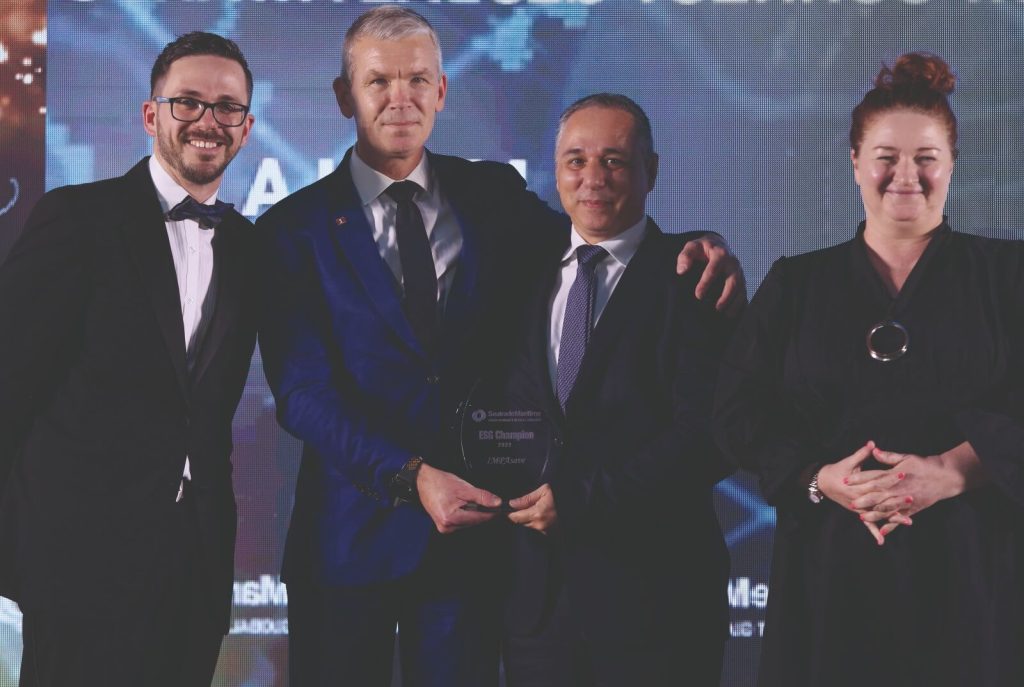
Significance of the ESG Champion Award: How significant was receiving the 2023 ESG Champion Award at CrewConnect for IMPA SAVE, and what does this recognition mean for your future endeavours?


I did not see that coming. I was invited to speak at CrewConnect in Manila, giving me a different audience, but afterward, I was approached by several people thanking IMPA SAVE for fronting this initiative, and had new pledgers come from the event. It was great to receive the award on behalf of my team, and also great to be acknowledged for doing this. (Mikael says)

Visibility and Impact: How has the visibility from awards and recognitions like the ESG Champion Award impacted IMPA SAVE’s ability to influence change in the maritime industry?


Difficult to say. When it was published on social media, I received many congratulations for the achievement. In reality, this achievement is for all the companies that have pledged to IMPA SAVE, and that have taken action to change, and likely influenced others to do the same. What started as a drop is now a small stream that I hope will become a river when all shipowners have applied their ships to do the right thing. (Mikael says)


Moving forward… we seek as much awareness as we can generate. By sharing ideas and gathering people together we can achieve more. (Stephen says)

Inchcape Shipping Services (ISS)

Inchcape Shipping Services

Procurement with Purpose: Simon Potter’s Strategic Vision at Inchcape Shipping Services


In this Q&A, we delve into the strategic mind of Simon Potter, Chief Procurement Officer at Inchcape Shipping Services. Potter discusses how Inchcape’s procurement strategy has evolved to adapt to the dynamic maritime industry, emphasising the introduction of their global ship-chandling solution. He highlights the company’s commitment to sustainability and the integration of responsible sourcing practices. Potter also sheds light on Inchcape’s innovative ‘procurement-as-a-service’ model, which offers comprehensive value beyond cost savings, and how the company manages its extensive global supply chain. Through team collaboration and navigating market trends, Inchcape remains at the forefront of sustainable and innovative decking solutions in the maritime sector.


Click below to access the digital brochure version

Strategic Procurement Evolution: How has Inchcape’s procurement strategy evolved to meet the dynamic needs of the maritime industry, particularly with the global ship-chandling solution?


Inchcape’s procurement strategy has significantly transformed from its traditional roots of merely onboarding vendors. Particularly from a port agency standpoint, our role has expanded to being the vital eyes and ears on the ground for our clients. This evolution is crucial because our customers, often absent from the ports, rely on us to manage the myriad of operations occurring there. Ensuring these operations are executed promptly, safely, and cost-effectively falls under our purview. Our group’s procurement function has increasingly become adept at meeting our customers’ needs, thanks to the seasoned professionals we have in place and the expansion of our teams to ensure coverage not only at our headquarters but also in the regions we serve.


Our approach to procurement is centre-led, with specialists integrated within the business units yet maintaining a central reporting line to ensure a balance between autonomy and alignment with both customer and internal needs. This strategic blend of local autonomy within our operations is pivotal.


The introduction of our global ship chandling solution, dubbed “procurement as a service,” marks a significant advancement in our procurement strategy. This evolution stems from recognising the additional needs our customers have when their vessels are docked. By adopting a procurement-centric viewpoint, we’ve moved beyond traditional services to address common challenges like table spending and the lack of transparency in the ‘Last Mile’ of supply chains. Our global presence, coupled with a professional procurement and supply chain team, allows us to add substantial value to our clients’ operations, offering transparency, efficacy, and cost advantages over our competitors.


Sustainability also plays a critical role in our procurement strategy. We work closely with our clients to identify local sourcing solutions, moving away from the conventional practice of consolidating consumables and spares in major hubs. Our commitment to authenticity means we only deal in OEM spares, ensuring quality and reliability. Furthermore, our “warehousing on demand” service exemplifies our forward-thinking approach, accommodating the unpredictable trading patterns of vessels by leveraging our global network for strategic spare part storage. This adaptability extends across various sectors, with many of our offshore customers particularly benefiting from our ability to strategically source and supply locally.

Sustainability Leadership: As VP of Sustainability at IMPA, how do you integrate sustainable practices within Inchcape’s procurement processes, and what impact does this have on the industry?


In my dual capacity as CPO at Inchcape and my role within the International Marine Purchasing Association (IMPA), the drive towards sustainability is a significant part of our ethos. Inchcape’s commitment to sustainability is evident as we were pioneers in signing up for the IMPA ACT and subsequently for its updated version, ACT 2.0. Our dedication to sustainable practices is not just about adherence to standards; it’s about leading by example within the maritime industry.


Utilising the IMPA ACT toolbox has been instrumental in refining our procurement processes, allowing us to thoroughly scrutinise every aspect of our supply chain from a sustainability standpoint. This scrutiny is not only limited to compliance with human rights and UN conventions but extends to environmental considerations, such as emissions tracking.


For our clients, this means that when they dock at a port serviced by an Inchcape agent, we offer comprehensive support in monitoring emissions related to the core services we provide. This initiative is crucial for our clients, providing them with a detailed understanding of their emissions footprint within the port, encompassing Scope 1, 2, and 3 emissions. Our aim is to ensure that they have a holistic view of their environmental impact, including emissions from auxiliary services like tugs, launches, taxis, and hotels.


However, our commitment goes beyond tracking; it extends to educating our suppliers. Our observations suggest that approximately 30% of port suppliers are genuinely aware of what sustainability entails, and a similar percentage have set targets towards achieving net zero. As a global port agent with sustainability at our core, we believe it’s our responsibility to enlighten our supply base on the importance of supporting our clients’ sustainability goals.


This educational role synergises with our activities at IMPA, where we work closely with colleagues to promote sustainability within the industry. Our efforts are not just about compliance or meeting standards; they’re about fostering a culture of sustainability and responsibility across the maritime sector.

Procurement-as-a-Service: Can you elaborate on the concept of ‘procurement-as-a-service’ at Inchcape and how it delivers value beyond cost savings to your customers?


The essence of ‘procurement-as-a-service’ at Inchcape modernises the traditional ‘one-stop shop’ concept, providing a more comprehensive solution. Our clients, especially those operating container vessels with regular routes and suppliers, have a core list of needs when it comes to supplies and services at the ports they frequent. However, challenges arise when they need items or services beyond this core list, whether it’s spare parts, consumables, provisions, or other services. Finding vendors that meet the desired quality and price point outside their usual list can be difficult.


This is where our ‘procurement-as-a-service’ shines. With a global supply list exceeding 10,000 vetted suppliers across 60 countries, we offer our customers a reliable and extensive network. This service allows clients to approach us with specific needs in any port, confident in our ability to provide a solution that adheres to stringent quality and governance standards. While we may not always promise the lowest price, we ensure value through our rigorous vendor selection process, managed by our local teams on the ground. This approach guarantees that our customers benefit from the same level of governance and ethical standards they would expect from any port agency service, even if they don’t use Inchcape as their port agent.


Interestingly, over half of our ‘procurement-as-a-service’ clients do not utilise our port agency services, underscoring the standalone value of this offering. Even those with preferred agents opt for Inchcape’s procurement and logistics services to leverage our comprehensive governance framework and ethical policies, highlighting the distinct advantages and added value we bring to the table beyond mere cost savings.

Global Supply Chain Management: Managing a global supply chain presents unique challenges. How does Inchcape ensure reliability and efficiency across its vast network of ports and services?


Ensuring reliability and efficiency across Inchcape’s extensive network hinges on our adherence to strict governance, standardised processes, and unified policies. We operate under a centralised framework accessible to all employees, promoting consistent practices throughout the organisation. Leadership commitment plays a crucial role, with alignment from the CEO down, ensuring that everyone, from the board to the front lines, understands and follows our operational directives. This clarity and lean organisational structure facilitate a unified approach to service delivery.


Despite the inherent challenges of operating in diverse cultural and linguistic landscapes, particularly in regions like Asia Pacific, our long-standing focus on maintaining high standards has honed our ability to provide consistent service quality worldwide. We recognise that local conditions may necessitate tailored service delivery, but the core standard remains unwavering.


A vital component of our strategy is the meticulous onboarding and continuous assessment of our vendors. We conduct annual audits to ensure they meet our stringent requirements, maintaining high service standards irrespective of location. This rigorous vetting process is especially crucial for services involving the movement of people, where risk management is paramount for the safety of both our personnel and clients.

Team Dynamics: With a growing global Procurement and Supply Chain team, how do you foster collaboration and knowledge sharing among team members with diverse expertise?


Fostering collaboration and knowledge sharing within Inchcape’s diverse and global Procurement and Supply Chain team hinges on our foundational philosophy of open knowledge exchange. Recognising that no single individual holds all the answers, we place great emphasis on drawing insights and ideas from the entire team. A recent example of our collaborative approach was a gathering in Mumbai, where a significant portion of our team is based. This meeting facilitated a vibrant exchange of ideas and best practices, especially from our procurement support team, who possess a unique global perspective due to their centralised role.


Training sessions are a regular feature, aimed not only at skill enhancement but also at brainstorming improvements in our processes and methodologies. This continuous learning environment is underscored by our commitment to professional development, with many team members pursuing or encouraged to pursue CIPS qualifications, Six Sigma certifications, or advanced degrees.


Diversity in expertise is another pillar of our strategy. Our team in Mumbai, for example, benefits from the inclusion of individuals with backgrounds in mathematics and data analytics, enhancing our capability to deliver insightful data analysis and feedback to other departments. This analytical approach not only advances our procurement and risk management strategies but also propels sustainability initiatives, providing substantial non-price value to our clients.


Transparency with our customers is paramount, reflected in our practice of sharing original vendor invoices, ensuring they have clear visibility into the costs incurred. Our pursuit of competitive rates, balanced with a commitment to quality, underpins our promise of value. Moreover, our involvement in innovative projects, like the launch of the first purely electric launch in Singapore, exemplifies our dedication to sustainability and innovation. These initiatives not only reduce carbon footprints but also align with our customers’ sustainability goals, illustrating our role in driving the industry forward through innovative and sustainable solutions.

Chandling Service Expansion: The expansion of Inchcape’s chandling operations into strategic ports is a significant development. What criteria do you use to select these locations, and how do you tailor services to meet local demands?


The selection of strategic ports for the expansion of Inchcape’s chandling operations often begins with customer inquiries. Having an approved vendor list in various locations allows us to swiftly provide solutions, but the challenge lies in effectively communicating our capabilities to customers, ensuring they understand the breadth of services we offer.


Traditionally, port agents have provided chandling services on an ad-hoc basis, responding to last-minute requests from ships as they arrive. Our approach with the chandling solution, or ‘procurement as a service’, is to make this process more systematic, involving ourselves in the planned ordering of spares and stores rather than solely catering to emergency needs. This not only assists ships in port but also aids in preemptive planning, especially when vessels change course unexpectedly and require support in unfamiliar locations.


The selection of ports and tailoring of services hinge on understanding the diverse challenges our customers face. These challenges can vary widely, influenced by factors such as the size of the customer’s purchasing team, the number of contracts they manage, and the regularity with which they visit certain ports. We have identified around 60 ports that see regular activity from our clients, which have become focal points for our services. While sourcing a chandler in major ports like Singapore, Houston, or Rotterdam might be straightforward, our strength lies in providing reliable services outside these hubs, where finding quality support can be more challenging. Despite this, we’re also seeing increased demand in these major ports, highlighting our comprehensive capabilities and the trust clients place in our services.

Global Sustainability Strategy: Inchcape’s commitment to sustainability is commendable. How do you measure the effectiveness of your sustainability initiatives, and what are the key performance indicators?


At Inchcape, the foundation of our sustainability strategy is encapsulated in our code of conduct and, more specifically, our Supplier Code of Conduct. This sets the minimum standards we expect not only from our vendors but also from our partner agents globally. Given that we don’t operate in every location directly, it’s imperative that our representatives uphold the same sustainability standards as we do.


Measuring the effectiveness of these initiatives often presents challenges, as mere compliance on paper doesn’t necessarily equate to real-world application. To address this, we invest considerable effort in auditing and assessing our key vendors worldwide, ensuring they not only commit to our standards but actively embody them in their operations.


One of our primary Key Performance Indicators (KPIs) is the adherence to our business and supply codes of conduct, which reflect our sustainability and procurement expectations. Regular visits to our key vendors form another crucial part of our strategy, enabling us to conduct toolbox talks and demonstrate visible, felt leadership. These interactions are instrumental in conveying our values and ensuring that our sustainability standards are more than just a checklist, but a lived experience across our supply chain.

IMPA Act 2.0 and Industry Collaboration: How does IMPA Act 2.0 facilitate collaboration within the maritime industry, and what role does Inchcape play in promoting industry-wide sustainability through this initiative?


IMPA Act 2.0 primarily fosters collaboration between customers and their supplier networks within the maritime industry. While its direct influence on customer-to-customer collaboration may be less apparent, the initiative serves as a crucial bridge in aligning ship owners, managers, and their vendors on sustainability practices. Many industry stakeholders, often uncertain about how to approach sustainability, have found IMPA Act 2.0 to be an invaluable resource. The Act provides a comprehensive toolbox designed to navigate the complexities of sustainability in an industry traditionally characterised by analog processes.


This toolbox has become a pivotal platform for dialogue, enabling suppliers and customers to ensure mutual understanding and alignment, especially as regulatory pressures on sustainability intensify. For example, the focus on maintaining an inventory of hazardous materials is one of the many areas where IMPA Act 2.0 has raised awareness and facilitated industry-wide compliance and best practices.


Inchcape, aligning with the principles of IMPA Act 2.0, plays a significant role in promoting sustainability within the maritime sector. Our involvement goes beyond compliance; we actively engage with both our suppliers and customers to ensure a cohesive approach to sustainability. By advocating for and adhering to the guidelines and frameworks provided by initiatives like IMPA Act 2.0, Inchcape aims to lead by example, encouraging a more sustainable and environmentally responsible maritime industry.

Procurement Disruption and Innovation: You mentioned the maritime industry’s need for disruption and change in procurement. What innovative approaches is Inchcape implementing to lead this transformation?


While I must be cautious about divulging too much, I can share that Inchcape is actively engaging with technology disruptors to explore innovative procurement solutions. Our focus isn’t just on adopting new technologies for the sake of innovation; it’s about critically evaluating these advancements to enhance our procurement and purchasing strategies fundamentally.


A key area of innovation for us lies in managing costs and logistics beyond the major ports. It’s relatively straightforward to find chandling services in hubs like Rotterdam, Houston, or Singapore. However, the real challenge—and our differentiator—comes in providing cost-effective, efficient services in smaller or less frequented ports. Here, Inchcape stands out by not only offering procurement services but also overseeing the crucial ‘last mile’ delivery directly to the vessel, eliminating the need for intermediaries.


My background in chandling and subsequent experience with shipping owners like Maersk has highlighted the importance of transparency and efficiency in the procurement process. Traditionally, the visibility of an order diminishes once it reaches a local agent or airport, leaving purchasers in the dark until the goods are received on board. Inchcape aims to revolutionise this aspect by ensuring continuous transparency about the costs and status of orders, from procurement to delivery. Our approach provides a clear picture of the total cost of acquisition, including all logistics expenses, to the purchasing team ashore. This level of transparency and efficiency in managing the procurement and delivery process is central to our innovative strategy in transforming maritime procurement.

Personal Inspiration and Industry Passion: Having transitioned from various roles within the maritime sector to your current position at Inchcape, what aspects of your job inspire you the most, and how do you maintain your passion for the industry?


The greatest source of inspiration for me is the opportunity to work for a global entity like Inchcape, which allows me to engage with diverse cultures and people from different parts of the world. The chance to visit and interact with colleagues and customers globally is genuinely one of the job’s highlights. This exposure to varied cultures and business practices enriches my understanding and appreciation of the maritime sector.


Another aspect that fuels my passion is the emphasis Inchcape places on ethical governance and standards. It’s one thing to profess a commitment to strict ethics and codes, but at Inchcape, we truly embody these principles. The role of a Chief Procurement Officer (CPO) is rare in the supplier side of our industry, highlighting the value Inchcape places on procurement as a critical function. This contrasts with many sectors where procurement is undervalued.


My role at Inchcape transcends traditional procurement functions like contract management and cost-saving. It encompasses driving value through maximising supplier relationships, maintaining service standards, fostering innovation, and spearheading sustainability and ESG initiatives. Our procurement department operates with a commercial mindset, actively engaging with customers to manage risks and enhance the supply chain they depend on through us.


I find that customers appreciate engaging with procurement professionals who understand their challenges. Being able to sit down with a counterpart and discuss solutions beyond the usual sales pitch not only breaks down barriers but also adds substantial value. This direct approach allows us to address their needs more effectively, showcasing Inchcape’s commitment to driving change and delivering results in the maritime industry.

In Association with:

Marina Offshore Pte Ltd, holding a prestigious Public Licence from the Maritime Port Authority of Singapore since 1998, has been at the forefront of providing top-notch towage services within the bustling Port of Singapore. With over 25 years of expertise in owning, managing, and operating tug boats, Marina Offshore has carved a niche for itself by offering marine and offshore support services characterised by reliability and excellence.

www.marinaebox.com   

SMS Towage, a leader in maritime excellence, delivers unparalleled harbour, offshore, and specialised towage services. Their fleet, highlighted by the powerful ASD tug Superman and the adept Marksman, guarantees unmatched precision and efficiency in vessel management. With strategic locations across key UK ports, including the Humber, Bristol Channel, Belfast, and Portsmouth, SMS Towage offers unwavering 24/7 support, embodying their commitment to client satisfaction, crew welfare, and environmental preservation.

www.smstowage.com

PSA Marine, a wholly owned subsidiary of PSA International, is a leading marine services provider with flagship operations in Singapore and Peru. Combining operational excellence with a forward-looking approach, PSA Marine’s business portfolio extends beyond its core businesses of towage and pilotage, to marine advisory, navigational audit, water supply to vessels, crew transfer in the offshore wind industry, and training and consultancy services.

www.psamarine.com

Eyesea

Portfolio Eyesea

Turning the Tide: Graeme Somerville-Ryan’s Mission Against Maritime Pollution with Eyesea


Graeme Somerville-Ryan’s journey in founding Eyesea is a vivid testament to the power of combining professional expertise with a personal commitment to environmental stewardship. With his unique background in maritime sector communications and archaeology, Graeme has turned a moment of realisation on a Greek beach into a global initiative against maritime pollution. In this interview, he discusses Eyesea’s innovative approach to leveraging technology and community involvement in tackling oceanic and coastal pollution, shedding light on both the challenges and triumphs of driving environmental change.


Click below to access the digital brochure version

What inspired you to establish Eyesea, and how did your background in marketing and archaeology influence your approach to addressing maritime pollution?


The idea of Eyesea started on a beach in Greece, where I truly saw the straws, bottles, and bits of plastic that now litter every beach, river, and coastline worldwide. I had never been an environmentalist, but the realisation that this situation was unacceptable – that something needed to change – kicked in.


Professionally, I’ve been in maritime sector communications for the last 13 years, and over that time, I’d met a few people and had numerous discussions with owners and managers on CSR, MARPOL, and the proposed regulation of single-use plastics onboard ships. Maritime pollution was now clearly on the agenda, and we saw that it was going to be part of much wider, environmentally focused, regulation.


But I wasn’t sure if this regulation was going to work, or just make the lives of seafarers harder. We asked what could the shipping industry do around the topic that went beyond compliance and following more and more regulation?


The archaeologist in me (my MA was in geoarchaeology), kicked in when we looked at the discussion around ocean and coastal pollution. It became clear that while there was a lot of emotion around the topic, there was actually very little data, evidence, and truly comprehensive research to chart a way forward. Without data, it’s very hard to assess the nature of the pollution problem or develop cost-effective and efficient solutions.


We took a step back and looked at what assets the industry had – 1.8m seafarers, staff, and around 70,000 commercial ships – in literally every corner of the world. This was when Eyesea was born – a maritime pollution version of Waze/Instagram that would allow the maritime industry to provide crowdsourced data on maritime pollution and possible hazards.


Phase one was about building tech to test this hypothesis, could we collect data? The answer was yes. Phase two is now about building out this tech to help communities report, analyse, organise, and recover pollution as efficiently as possible. The job has gotten bigger.


You emphasise the importance of a single photo in driving change. Can you share a specific instance where an image made a significant impact on Eyesea’s initiatives or the broader maritime community?


I believe the world is overrun with negative imagery; the shock value gets clicks but achieves little else. We have plenty of terrible images, but shaming a community, expressing outrage, and quickly moving on to the next hotspot is not valuable. Changing things is a gradual process that requires collaboration with communities, companies, and authorities.


Imagery – geolocated and timestamped – is actual evidence. Imagery and image analysis allow us to consider what actions need to be taken where: to assess where resources need to be applied and where we can make the biggest difference.


Images remove the excuses for inaction…the ‘we didn’t know it was there’ or the ‘it’s not our responsibility’ responses that people and organisations tend to give when more work is on the horizon. Imagery and other data layers (think wind, tide, currents, and the time/location of local community events) also allows us to look at the origin and the cause of pollution – there’s a lot of information that we now have access to.


But imagery alone (the data) can just blend into ‘doom scrolling’ (as the kids call it). Once we had our first 100,000 pictures, we started to reassess what was needed. First, it became clear we needed to highlight the great clean-up work that is going on, and second, we needed to use the quite incredible tech tool we’d been offered to develop insights and solutions to the problem…the ‘so what’ part of data collection.


If there’s one ‘wow’ example we have, I think it’s from rural Canada (rural like only Canada can do) where a crew recorded the collection of a single plastic bag on an isolated beach. We were able to also cross-reference/confirm the presence of this single plastic bag using satellite image spectrometry. We can now see a single plastic bag from space.


The implications of this tech are just stunning.

Eyesea wide waves

How do you envision the maritime industry, mariners, and recreational sailors playing a pivotal role in Eyesea’s mission to combat maritime pollution?


I feel the maritime industry seems somewhat lost or hesitant when it comes to engaging in environmental discussions. People who don’t know or understand the industry use the environmental costs of terrible accidents to make sweeping proclamations (and regulations) that ships and seafarers are the ‘bad guys’.


We now have data that shows commercial ships and cruise vessels are far less polluting than the support boats and recreational vessels that motor alongside them, or the cities and ports they call into. The reality is that commercial ships work to much higher environmental standards than the buildings that house the regulators overseeing the industry.


The oceans, harbours, and ports of the world are the maritime industry’s domain. Seafarers and sailors see things no one else does. No one else has regular access, at scale, to the oceans of the world.


Most – not all – but certainly most of the seafarers and industry people I talk to are horrified by what is happening to our oceans. They want change as much as anyone. Combined we have the skills, domain knowledge, and resources to make an enormous difference – while running global trade as well.


What have been some of the most significant challenges Eyesea has faced since its inception, and how have you overcome them?


This job is simultaneously fun, frustrating, complicated, rewarding, and, for lack of a better word, crappy. None of the people involved in Eyesea had any background in this sort of work or had done anything like this previously. In some ways that was good, but it has been a steep learning curve.


Like any volunteer-driven non-profit, the challenges are many – money, time, organisation, setting priorities, trying to give other volunteers as much of your time as you can, and realising you can’t be everywhere at once.


Like any tech development company, the challenges are many – scoping and building tech is hard, testing and refining tech is harder, building (and rebuilding) user numbers is hard, working with developers is hard – I am sure the feeling is mutual.


Our hardest/lowest point was probably the realisation that we had to rebuild our reporting app and data management system at the end of year one. But, on the flip side of this, the Eyesea membership stepped up in ways I never thought possible. ChartWorld fought in our corner hard to recover the usable data from version one, and Bernhard Schulte Ship Management and MariApps offered to cover the cost of rebuilding the reporting app. It really was unbelievable to see the industry deliver expertise, support, and patience.


I think everyone involved in a start-up type or non-profit organisation needs a degree of steel-of-purpose and resilience, but 99.9% of Eyesea data is really bad news. I treat every photo as evidence of someone trying to help, someone not accepting the status quo or the trend towards a much bleaker future. Or, being male, I bottle up my emotions and don’t talk or think about it too much. Both strategies have a place.

How important are partnerships and collaborations to Eyesea’s mission? Are there any notable partnerships that have been particularly impactful?


Diverse perspectives are essential because our current methods of addressing both maritime and terrestrial pollution simply aren’t working. And it’s not working at the regulatory, community, government, or NGO levels. If pollution is now an industrial-size problem (it is), that means we need industrial-sized solutions. We need to think differently about this and the only people with experience in industrial-sized solutions and thinking are…industry. Companies, and those who know the coasts and oceans need a place at the big kids’ table.


It is also fair to ask if the institutions and regulators who got us to this point are fit-for-purpose to now play the lead role in determining workable solutions? Policy doesn’t clean beaches or pick up rubbish. Volunteers and rubbish collectors do. Different voices are needed, and we need workable, realistic, cost-effective, and pragmatic solutions.


What are your aspirations for Eyesea in the next five years? How do you see the organisation evolving and expanding its impact on maritime pollution?


On the technology front, we are advancing towards developing a comprehensive platform for pollution reporting, analysis, modelling, alerts, and clean-up support. This will be made available to anyone that wants to do good with it – ports, local governments, communities, and clean-up groups. A workable solution must involve everyone – not just those who have made this their raison d’être.


As an organisation, Eyesea needs to move beyond being a group of enthusiastic volunteers at some point. The tech potential and the size of the job mean the sky really is the limit in terms of solution delivery and action…but we cannot lose the clear focus of where we can make a difference and what role we can play that is different from others. And that’s not easy to do.


But, perhaps most importantly, this has to remain fun and it needs to channel the good things the maritime industry can deliver.